






By Ben Musanje
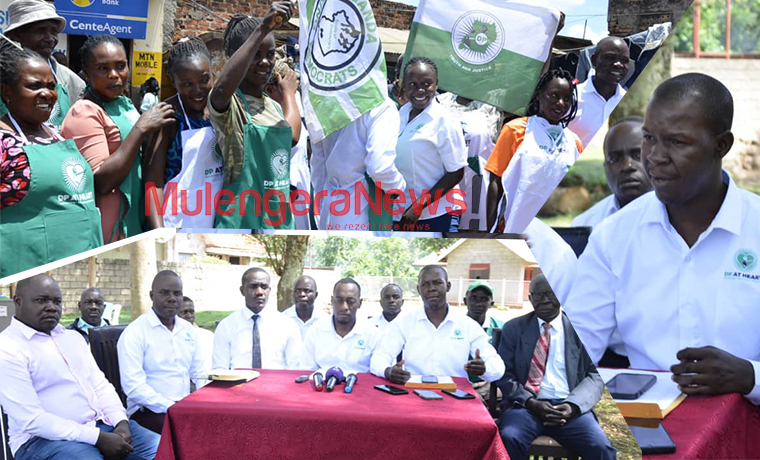
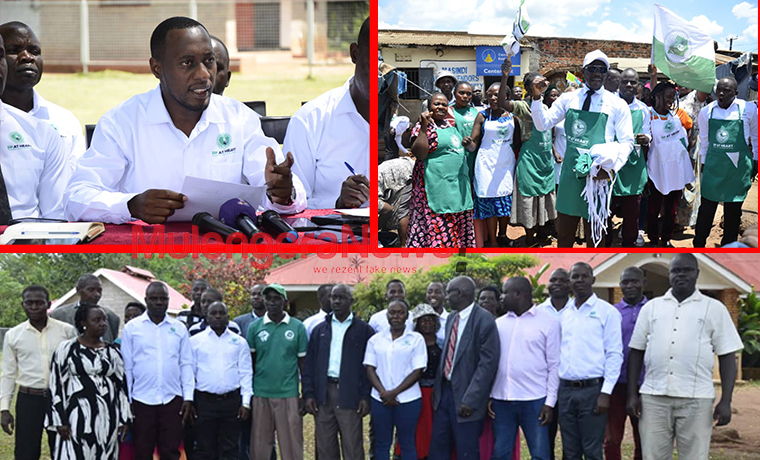
DP at Heart, a group of young leaders who previously served in the Uganda Young Democrats (UYD), has continued its nationwide consultations aimed at reshaping the Democratic Party (DP) and challenging the current leadership of party president Norbert Mao.
The group says its initiative is focused on listening, learning, and rebuilding the party from the grassroots, with a particular emphasis on restoring what it describes as the DP’s founding values of social justice, internal democracy, and people-centered leadership.
On April 17, 2026, DP At Heart held a high-level engagement with a delegation of party elders from Kamwenge District in the Tooro sub-region, led by veteran member Mzee Katabaazi, whose association with the party dates back to 1962.

The meeting was described as a reflective session that blended historical perspective with strategic discussions on party organization. Elders reportedly emphasized the need to strengthen grassroots structures, rebuild loyalty among members, and reconnect the DP to its original ideological mission.

They also commended DP at Heart for creating space for dialogue and renewal, noting that intergenerational engagement is essential for the party’s long-term survival. According to participants, there was consensus that any revival of the DP must draw from the experience of long-serving members while empowering younger leaders.
DP@Heart officials reiterated that consultations will continue across the country as they seek to consolidate internal opinion on the direction of the party.
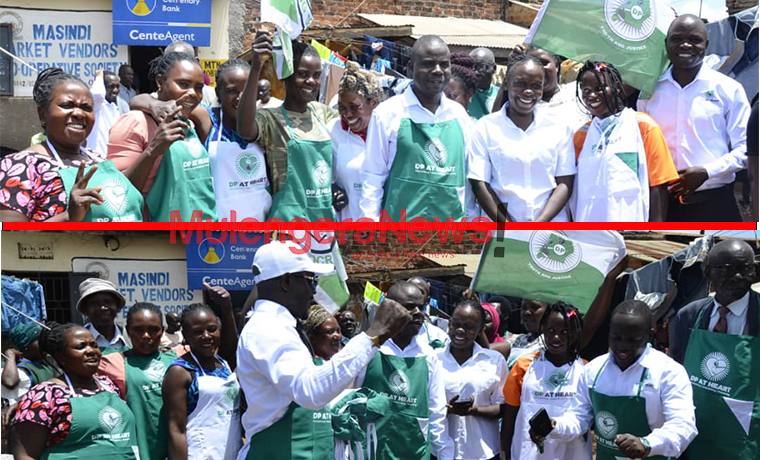
However, these engagements come at a time of heightened political tension within DP, particularly in Masindi District, where party stalwarts have escalated calls for DP president Norbert Mao to resign and formally join the ruling National Resistance Movement (NRM).

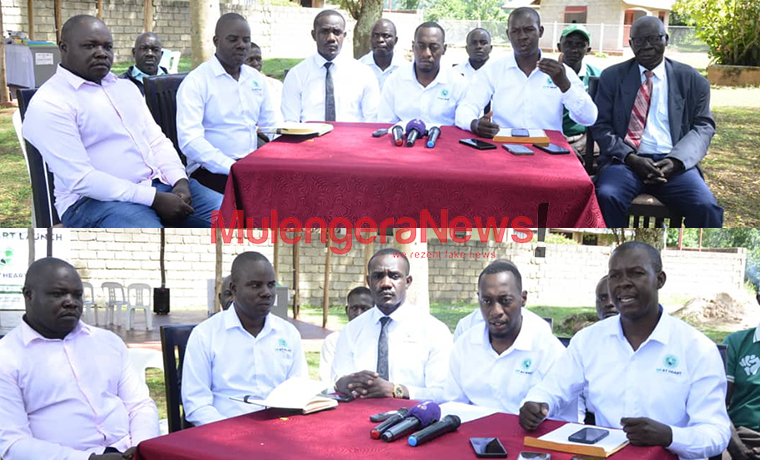
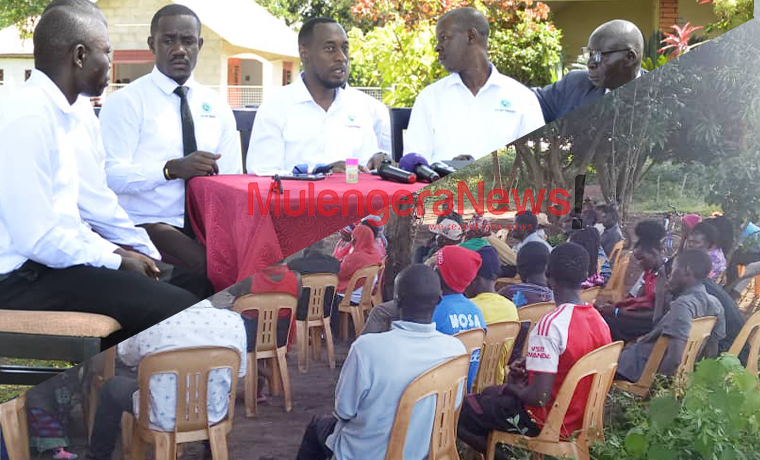
Speaking at a press briefing, former UYD president Ismail Kirya accused Mao of increasingly aligning with government structures, citing his participation in activities at the National Leadership Institute in Kyankwanzi, which is affiliated with the NRM.
Kirya also questioned Mao’s involvement in discussions surrounding a DP–NRM cooperation agreement, arguing that the arrangement lacked full consultation within official party organs. He further claimed that the agreement had expired after the most recent general elections and should no longer guide party operations.
He also criticized what he termed internal irregularities within DP, including contested internal elections, and accused Mao of failing to publicly address key legislative developments, such as the controversial Protection of Sovereignty Bill 2026 currently before Parliament.
The bill has drawn criticism for provisions that would criminalize actions seen as opposing government policy, with penalties of up to 20 years in prison.
Other party figures, including Julius Dhumba and Anthony Waddimba, echoed similar concerns, accusing Mao of weakening the party’s credibility and urging him to resign if his political alignment has shifted.
Meanwhile, DP member Innocent Turyahikayo called on Parliament to reject the bill, reaffirming the party’s commitment to social justice and the rule of law.
As internal divisions deepen, DP At Heart’s consultations are increasingly being viewed as part of a broader struggle over the party’s future direction and leadership identity. (For comments on this story, get back to us on 0705579994 [WhatsApp line], 0779411734 & 041 4674611 or email us at mulengeranews@gmail.com).