




By Mulengera Reporters
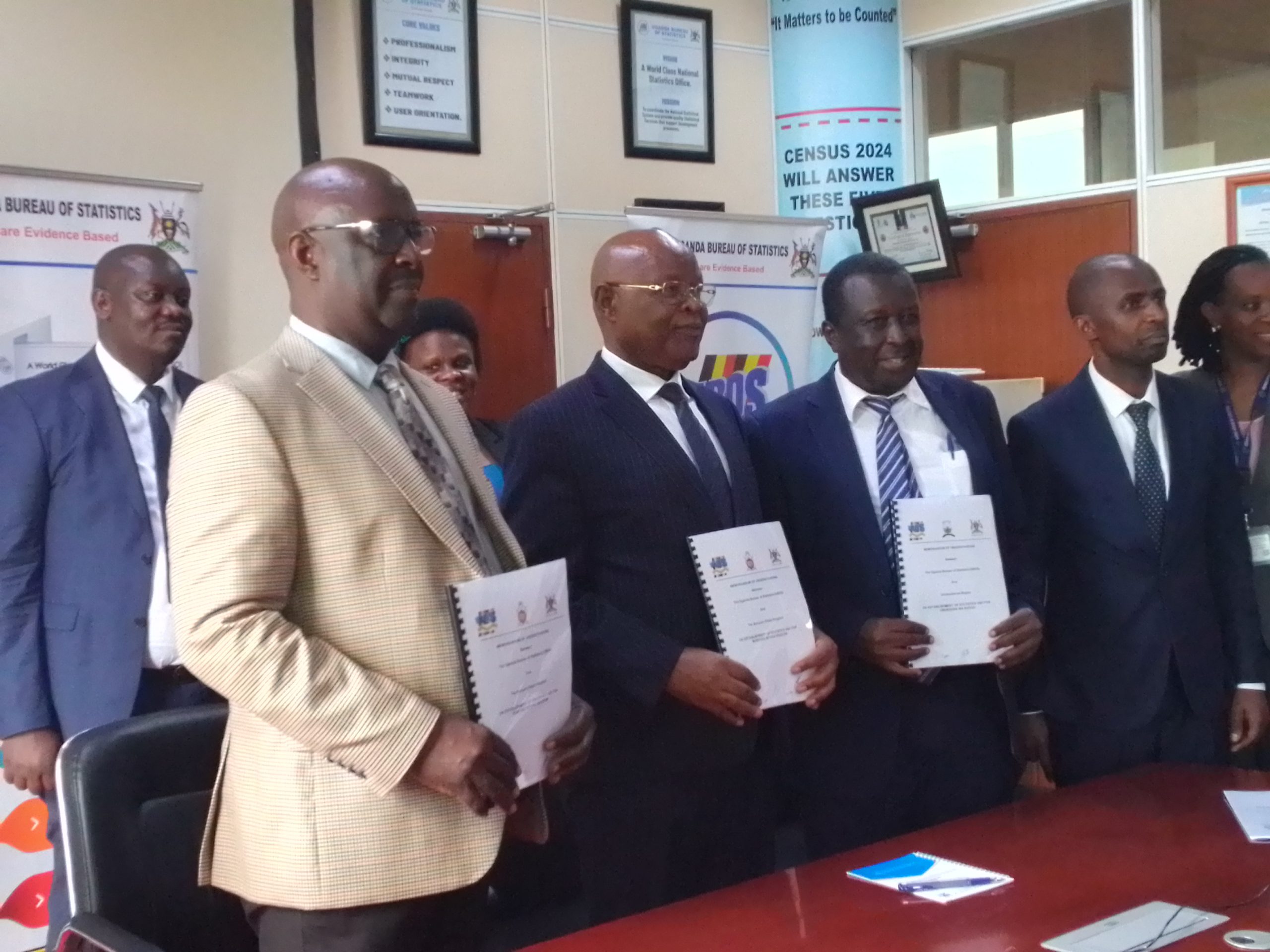
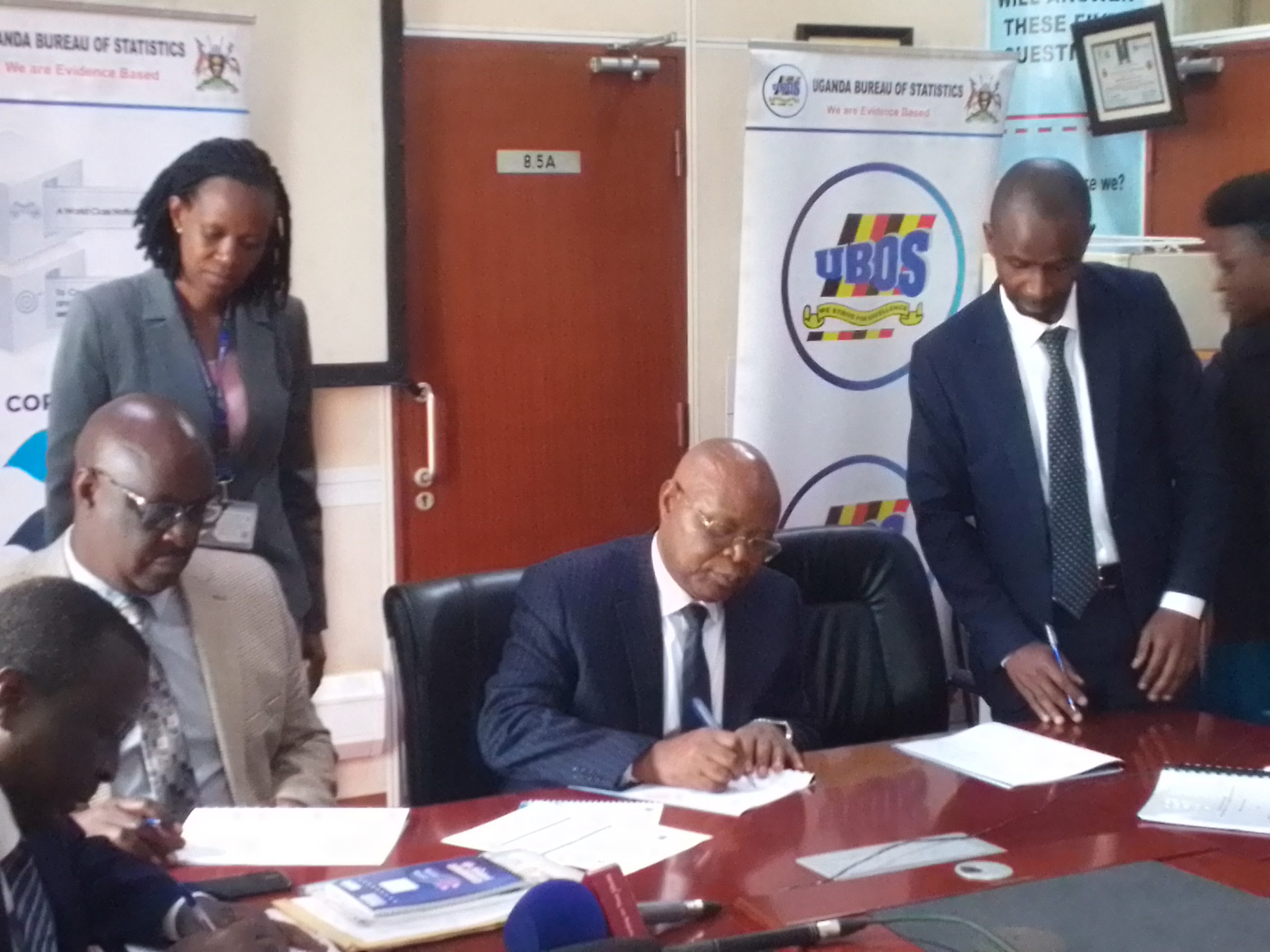
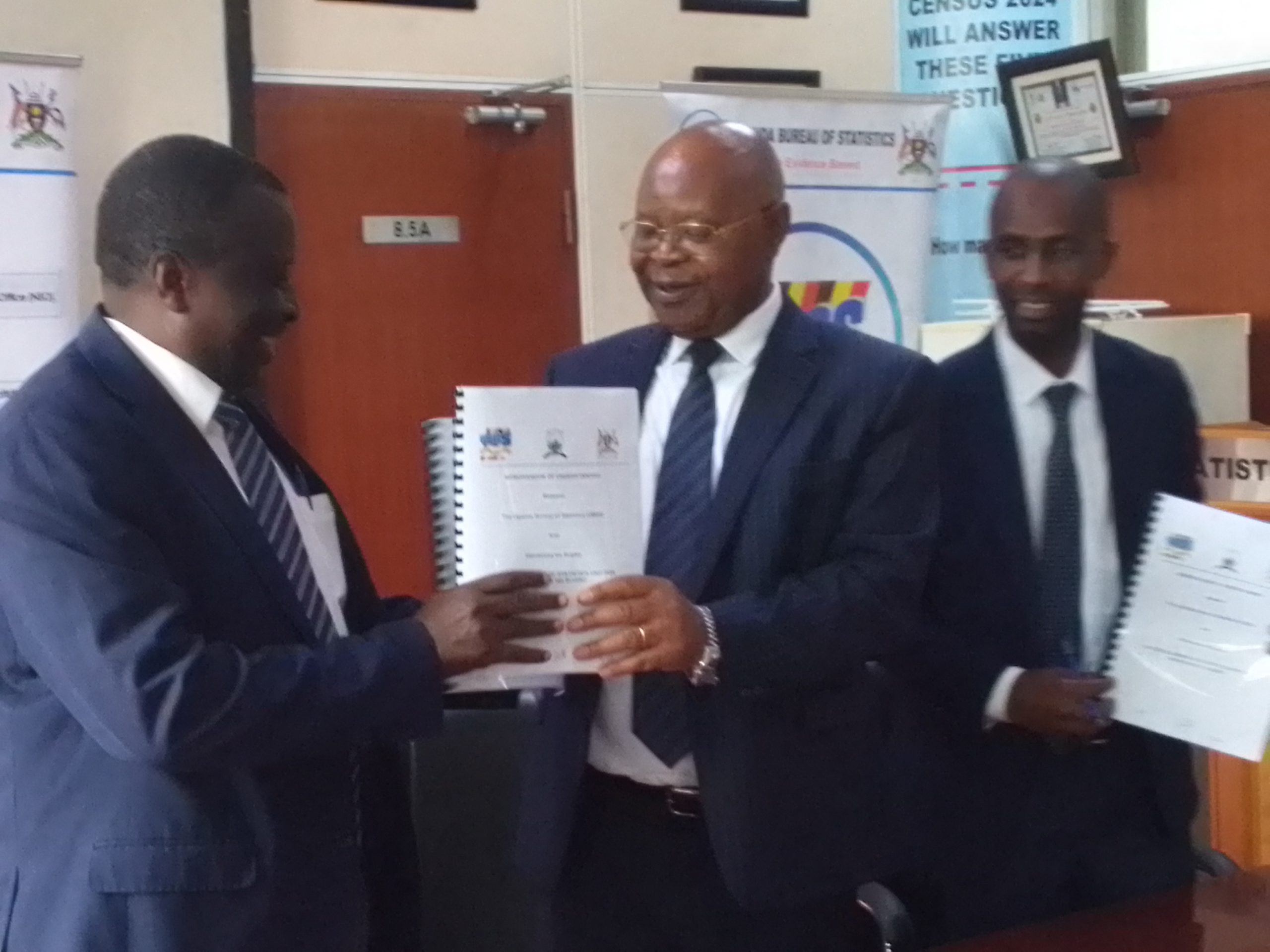
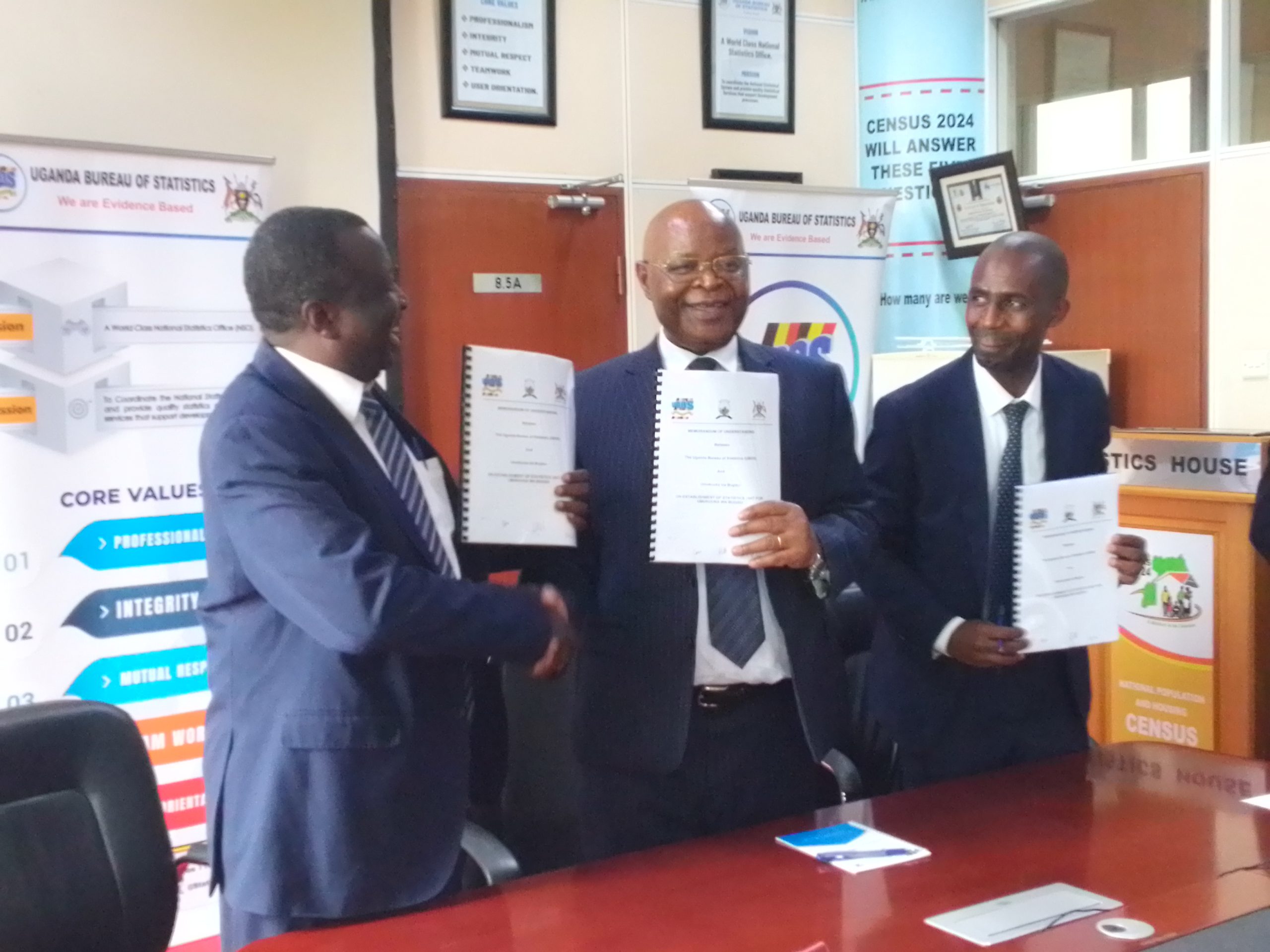
In a landmark step toward data-driven governance, the Uganda Bureau of Statistics (UBOS) has formalized a new partnership with the Bunyoro-Kitara Kingdom and the Umukuuka wa Bugisu cultural institution to establish dedicated statistics units within their structures.
The goal is to ensure that vital community-level data feeds directly into the country’s National Statistical System.
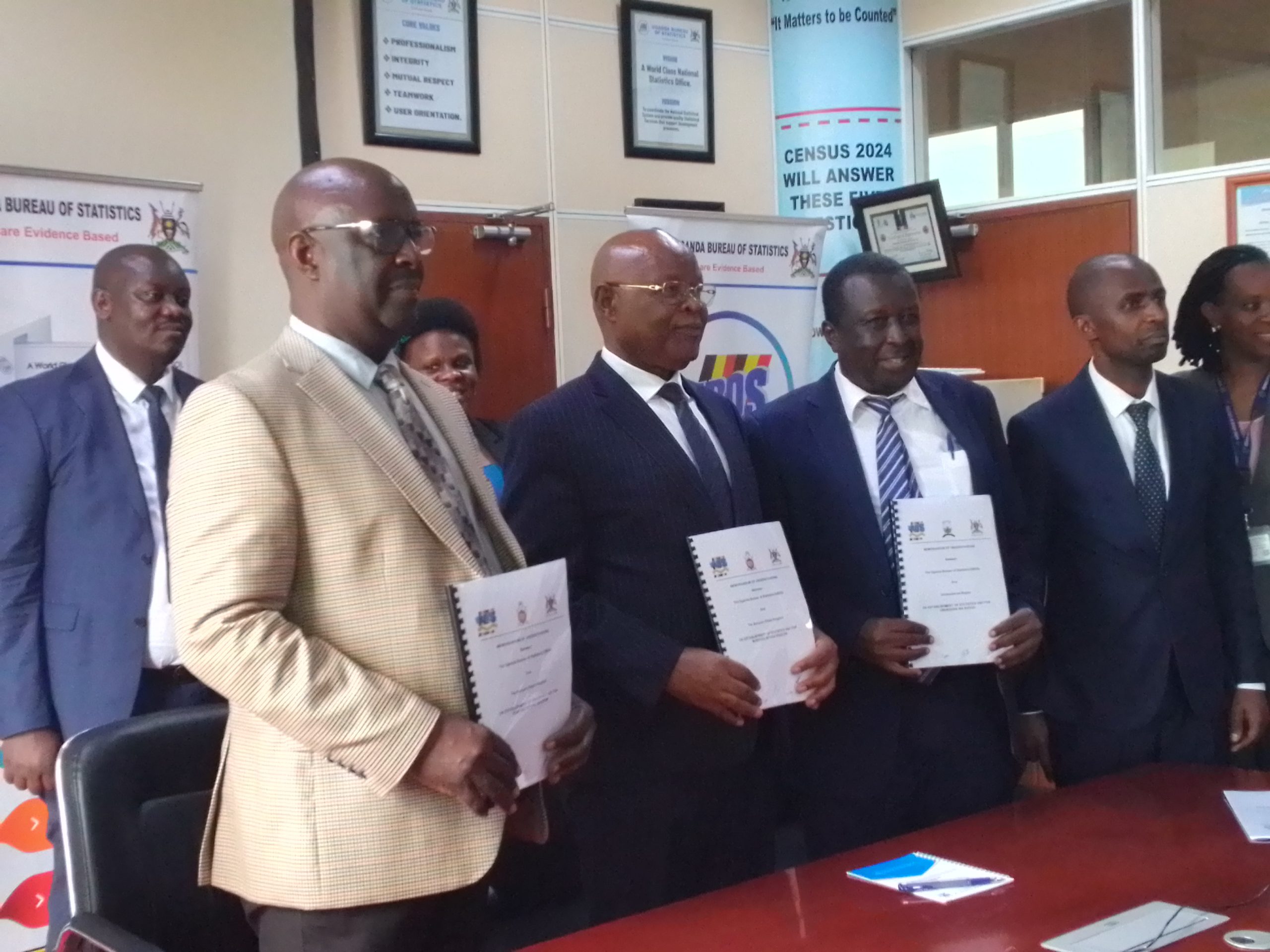
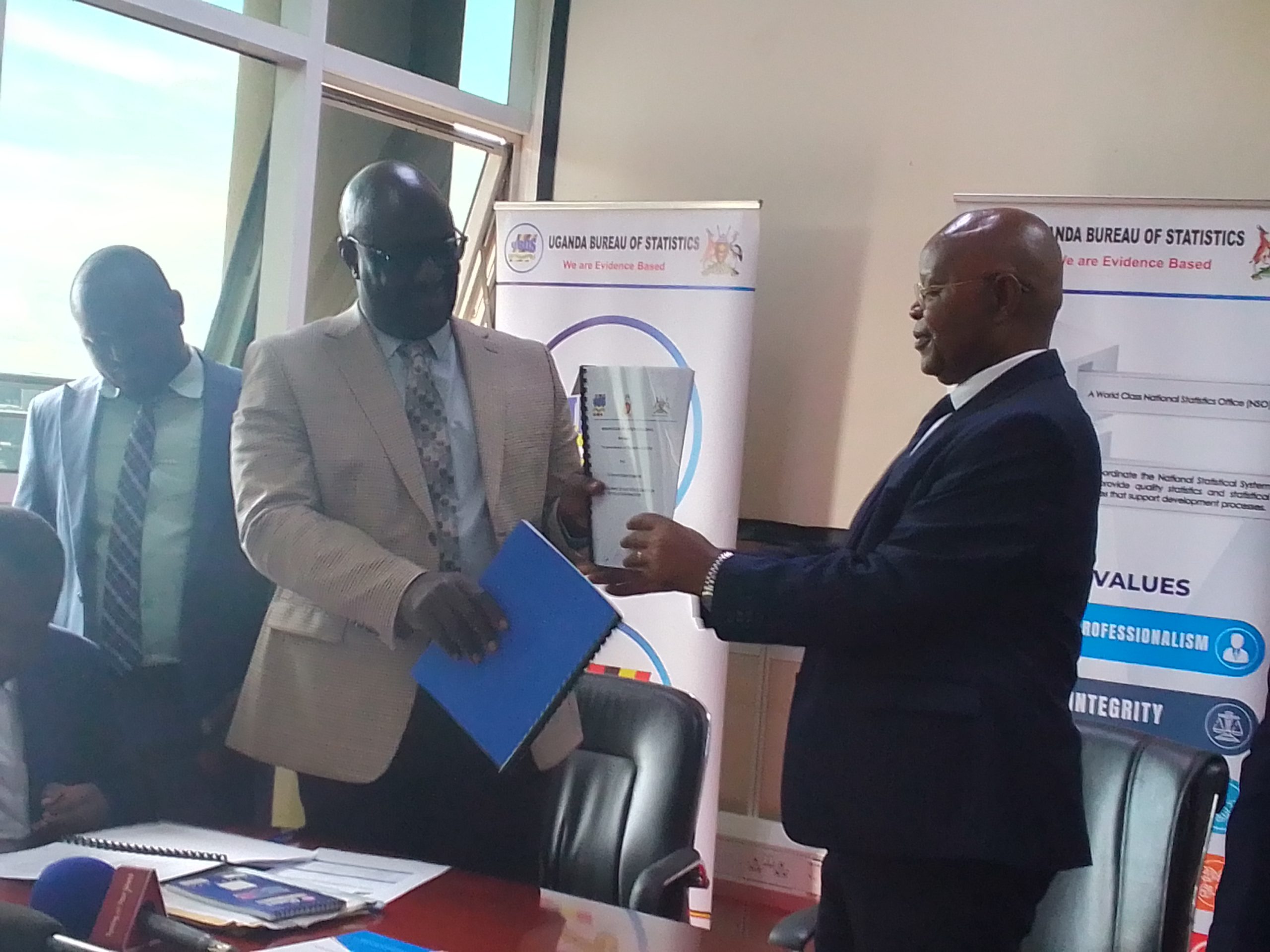
The agreement was sealed at a signing ceremony held at Statistics House in Kampala, drawing together traditional leaders and UBOS officials to celebrate what they described as “a long-overdue integration of cultural institutions into national planning.”
UBOS Executive Director Dr. Chris Mukiza lauded the collaboration as part of the bureau’s broader mission to bridge the gap between data producers and users across the country.
“These institutions are already collecting data about their people, their traditions, their resources,” Dr. Mukiza said. “What we’re doing is creating a formal framework to ensure that data is structured, analyzed, and ultimately used to improve lives.”

Revised Census Figures Tell a Story of Growth
The importance of accurate, localized data was further underscored by recently revised figures from the 2024 National Population and Housing Census.
According to updated data, the Bagisu population has grown from approximately 1.65 million in 2014 to over 2.09 million in 2024, while the Banyoro population increased from 966,976 to 1.22 million during the same period.


These corrections come after initial census errors affected population counts for several ethnic groups.
The newly verified numbers for the Bagisu and Banyoro highlight not only the demographic growth of these communities but also the urgent need for better representation in national data systems.
“This is exactly why partnerships like these are critical,” Dr. Mukiza noted. “If we don’t involve cultural institutions in data collection and verification, we risk under-representing key communities. Now we have accurate numbers that reflect the reality on the ground.”
A Vision Five Years in the Making
For Bunyoro-Kitara, the signing of the MoU marks the culmination of a journey that began in 2020.
Prime Minister, Andrew Byakutaga Ateenyi recalled first writing to UBOS five years ago, seeking support to create a statistics unit for the kingdom.
“Our strategic plan needed data to be effective,” Byakutaga said. “We saw early on that without structured data, we couldn’t plan properly or monitor our progress. Now, thanks to UBOS, we’re making that vision a reality.”
He noted that the statistics unit will help the kingdom align its development efforts with national and international frameworks such as Uganda Vision 2040, the Sustainable Development Goals (SDGs), and the African Union’s Agenda 2063.
Telling Stories Only Communities Can Tell
Representing the Bugisu cultural institution, Alfred Geresom Musamali brought attention to the need for data on local customs and resources often overlooked at the national level—such as traditional circumcision practices or bamboo harvesting from Mt. Elgon.
“We knew what we needed, but we lacked the expertise and structure to collect it properly,” Musamali said. “With UBOS guiding us, we can now build that capacity and ensure our data tells the full story of our people.”
He emphasized that while the Bagisu are among Uganda’s fastest-growing communities, the richness of their culture and traditions can’t be fully understood through numbers alone—unless those numbers come from the ground up.
What’s Next
With the MoU signed, both kingdoms and UBOS will begin developing customized statistical strategic plans.
These plans will guide data collection, analysis, and sharing—feeding back into national development agendas.
Dr. Mukiza was clear about the long-term vision:
“This is more than a technical exercise. It’s about making sure that every Ugandan, no matter where they come from, is seen, counted, and planned for.”
He called on other cultural institutions to follow suit and join the national data system, promising that UBOS is ready to partner with all who are willing to invest in evidence-based leadership.
“No more data lying idle. We must use it to develop our people,” he said.
As the event concluded, there was a sense that something bigger than a partnership had been signed, a commitment to making every number count, and every community visible.