






By Aggrey Baba
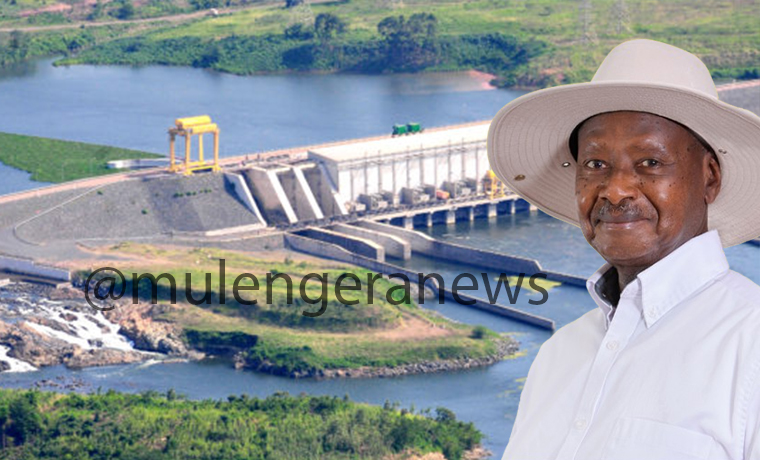
By the time Uganda switched on the Bujagali Hydropower Dam over a decade ago, the lights were supposed to stay on, and the bills were supposed to go down.
But for millions of poor country men and women, the cost of electricity has remained painfully high, raising questions about whether the original deal behind the dam truly served the country’s best interests.
In 2016, the dear President of Uganda Yoweri Kaguta Museveni publicly called for a refinancing of the Bujagali project’s debts in order to bring down electricity costs.
His push led to a renegotiation of the deal with Bujagali Energy Limited (BEL), the company operating the 250-megawatt dam. The hope was that by restructuring BEL’s loans, savings could be passed on to the consumers through reduced tariffs.

However, a key part of Museveni’s strategy was to extend a tax waiver for BEL, an arrangement that commenced in 2007 and is expected to expire in 2030. Parliament was told last year that ending this waiver prematurely could result in a 4.7% increase in the cost of power.

Yet, despite the waiver being in place for years, many lawmakers and citizens argue that electricity prices have not dropped as promised.
As reported by the New Vision, a parliamentary report released in 2024 showed that while the government gave up large sums in foregone tax revenue to support the project, these benefits have not translated into meaningful relief for Ugandans.
The Finance Committee in particular voiced concerns that BEL and other players in the power sector have already recovered much of their initial investment, yet continue to charge tariffs that remain unaffordable to many Ugandans.


The origins of the Bujagali project stretch back to the 1990s, when American company AES Nile Power first proposed building the dam, at the time when Uganda faced chronic power shortages and frequent blackouts, worsened by years of civil war and economic mismanagement. But delays, political challenges, and scepticism from international lenders such as the World Bank meant the project did not take off until much later.
Eventually, Bujagali was completed by a consortium of investors and became one of the country’s most significant infrastructure projects. But even as it added much-needed capacity to the national grid, the price of power remained high, partly because of complex agreements signed at a time when Uganda had fewer power users.
Now, with over 1.7 million electricity connections and growing demand, critics say it is time to revisit the deal and ensure Ugandans aren’t unfairly burdened by legacy contracts that no longer make sense.
The government now faces a tough choice, whether to allow the tax waiver to expire and risk a price hike, or extend it further without clear proof that consumers will benefit.
Is the Bujagali dam really working for the people, or the profit-makers? It’s a question that requires a million answers which all remain to be seen. (For comments on this story, get back to us on 0705579994 [WhatsApp line], 0779411734 & 041 4674611 or email us at mulengeranews@gmail.com).