











By Ben Musanje
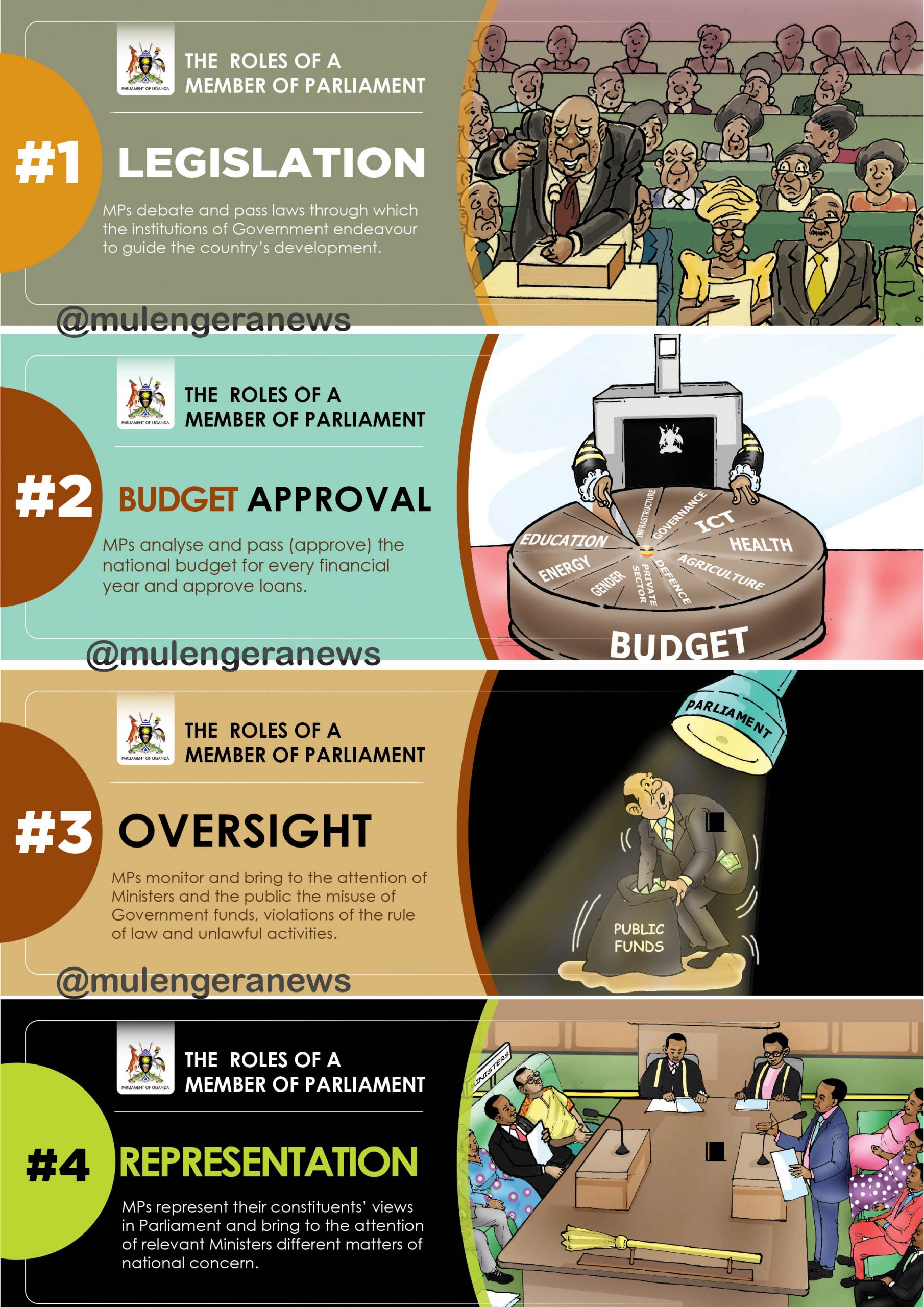
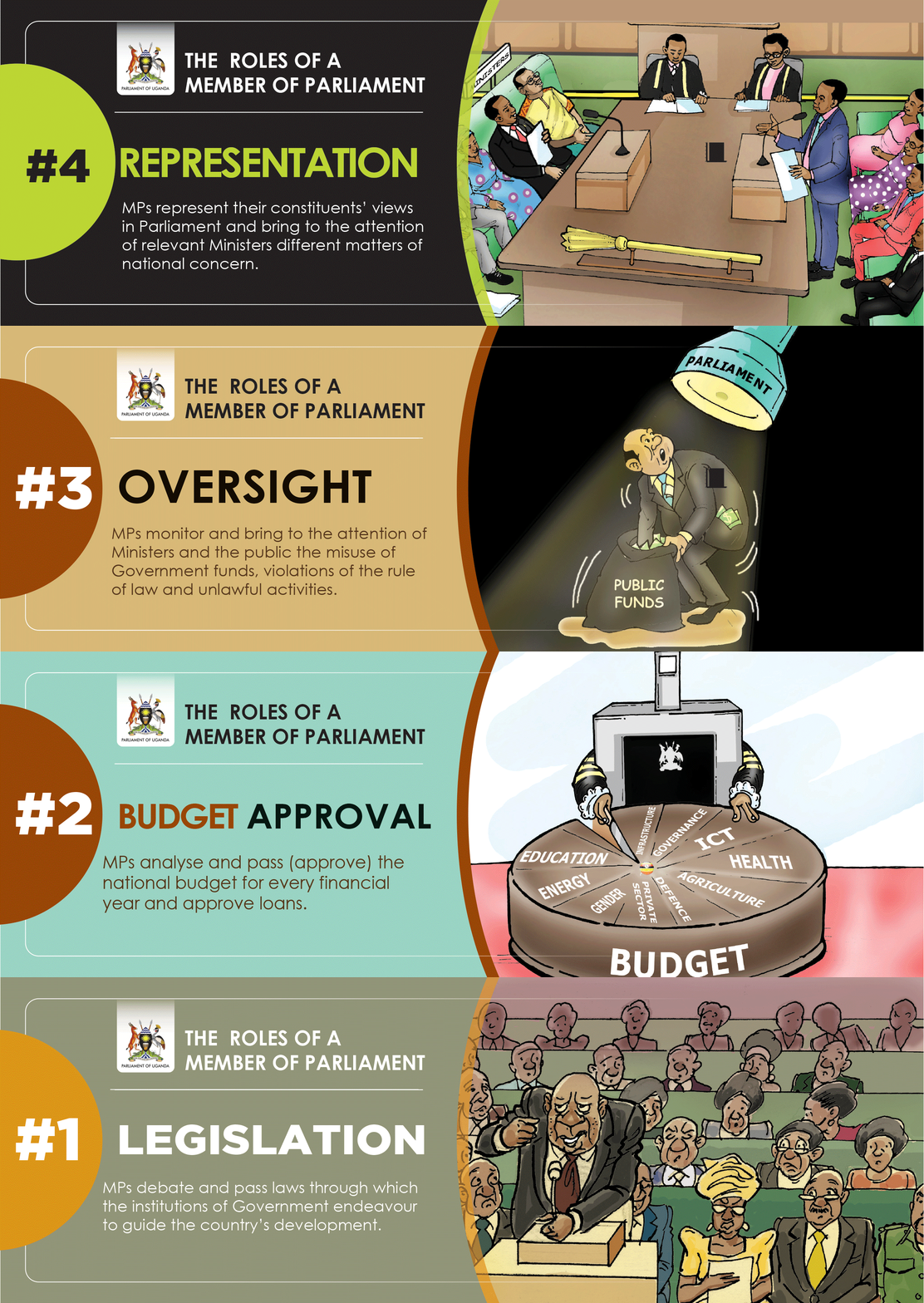
The Government is drafting a new law that will enable Ugandan content creators to directly monetize their work on global digital platforms such as YouTube, TikTok and Google, ICT and National Guidance Minister Justine Kasule Lumumba has revealed.
Lumumba said the proposed legislation will allow Ugandans to register for digital monetization services from within the country, instead of relying on registration in foreign jurisdictions to access revenue from their online content.
She made the remarks at the Ataakulaba Akunyooma Heritage Music Concert held at the Sheraton Hotel Kampala on July 31, 2026, where the Uganda Communications Commission (UCC) recognized veteran Kadongo Kamu musicians Dan Mugula and Hadija Namale.

“We are going to bring the law to monetize content on Google, TikTok and YouTube,” Lumumba said.

She explained that the legislation, currently being drafted, would provide the framework through which Ugandan creators can earn directly from content consumed by audiences online.
The minister said the Ministry of ICT and National Guidance, together with UCC, would work with financial institutions, including banks, to support the monetization ecosystem.
The proposed law comes amid a rapidly changing digital communication environment in which social media platforms have become major channels for news, entertainment, business and creative expression.

In April, ICT Minister Chris Baryomunsi said Government was preparing an overarching communication law that would bring various aspects of communication regulation under one framework, including existing legislation governing communications, the media and aspects of computer misuse.
The proposed framework is intended to respond to technological changes, including the growing influence of smartphones, social media, artificial intelligence and other emerging technologies.
Lumumba said the new approach would also benefit musicians whose content is increasingly consumed through digital platforms.
She said Government had already passed a law on creatives and decided that each institution should contribute to promoting different aspects of the creative industry.
“UCC decided to help entertainment,” she said.
At the concert, Lumumba praised Kadongo Kamu pioneers for using music to educate and guide Ugandans through their songs.
She also demonstrated her familiarity with the genre by singing two songs associated with the legendary musicians before handing over awards to the beneficiaries.
She handed a new organ to young Kadongo Kamu promoter Mapeesa, who gained popularity on TikTok mimicking the genre after losing his previous instrument in an accident while travelling to a rehearsal.
Lumumba also participated in the recognition of Mugula, who received a double-cabin vehicle, and Namale, who is set to receive a new home under a UCC-supported initiative.
Namale additionally received assorted products, including Movit toiletries and soap.
Lumumba said the Government’s support for artists is part of President Yoweri Museveni’s broader prioritization of the creative sector.
The planned digital monetization law could therefore mark a significant shift in how Ugandan creators participate in the digital economy, allowing them to earn from audiences without having to rely on registration arrangements outside the country.
For musicians, influencers and other digital creators, the proposed framework could provide a formal pathway to turn Uganda’s rapidly growing online audience into a source of income.