







By Mulengera Reporters
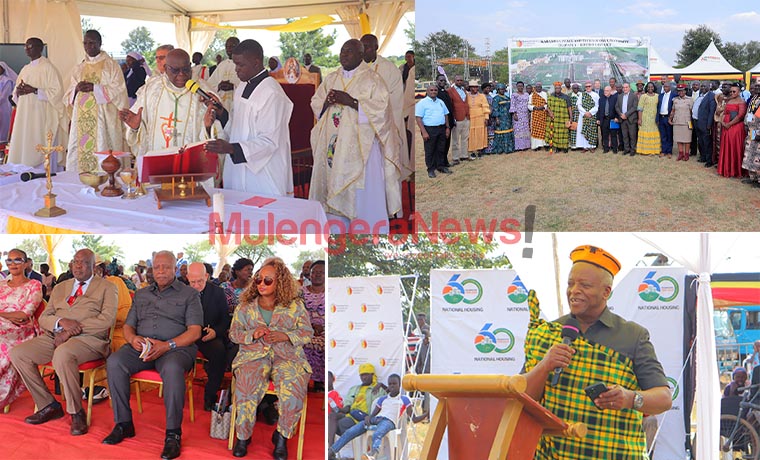
It was a dramatic and emotional day in Karamoja as Rt. Hon. Amama Mbabazi presided over the unveiling of the Karamoja Peace and Technology University (KAPATU), declaring that the long-neglected region is finally stepping into a new era of transformation, opportunity, and power.
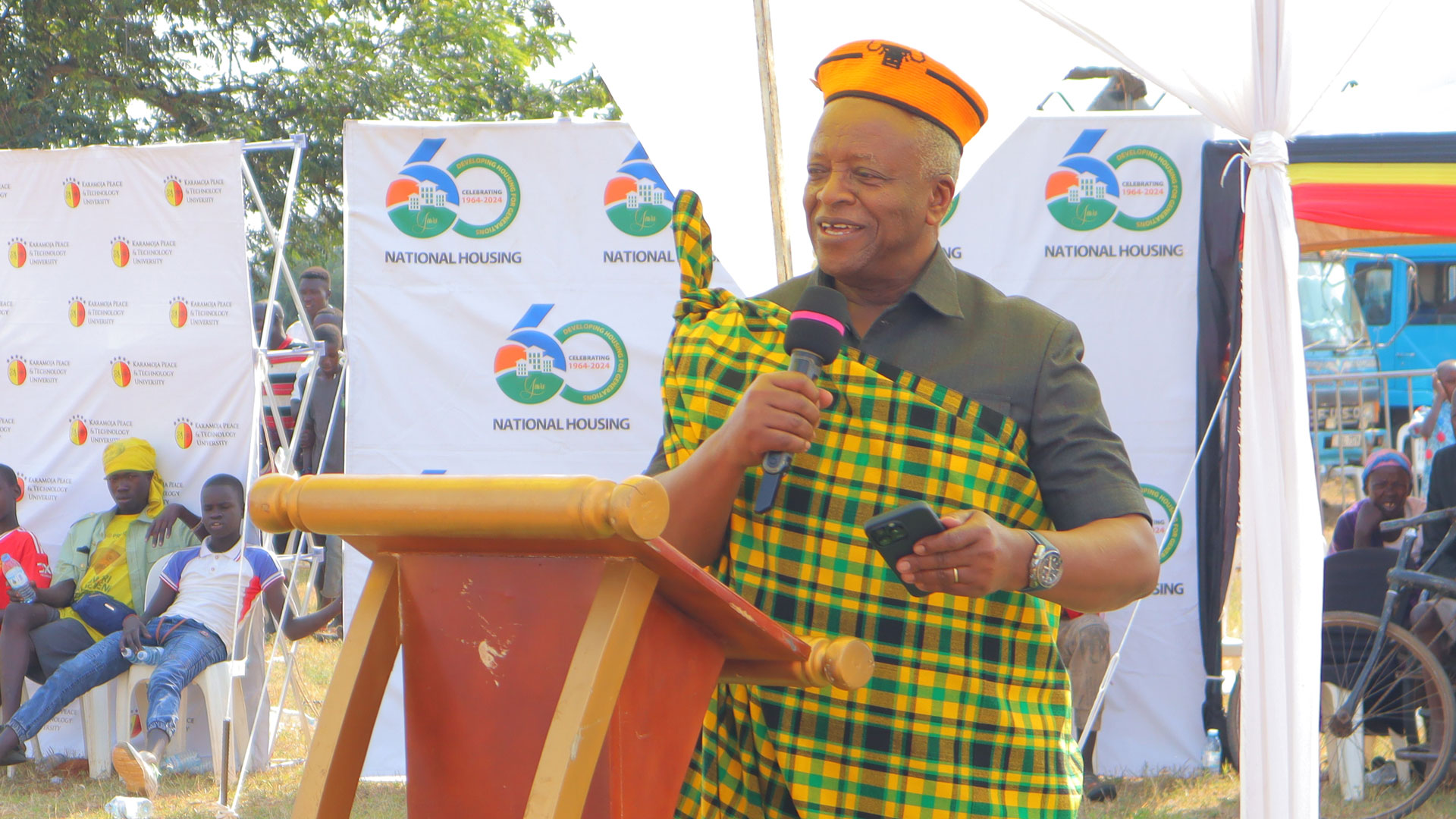
Representing President Yoweri Kaguta Museveni, the leader of Uganda and Founding Chancellor of the KAPATU Project on November 23, 2025 at Losilang, Kotido district, Mbabazi delivered a sweeping and passionate address that painted the university as nothing less than a historic turning point for Karamoja and the entire nation.
Speaking as one of the original figures in Uganda’s liberation struggle, Mbabazi reminded the gathering that the armed struggle decades ago was aimed at capturing state power in order to fundamentally transform the country. He emphasized that although the mission was national, there was a deliberate decision to pay special attention to Karamoja, a region that had suffered deep marginalization and neglect since colonial times. Nearly fifty years ago, he said, leaders committed themselves to lifting Karamoja out of centuries of hardship and bringing it fully into Uganda’s fold of progress.
The unveiling of KAPATU, he explained, is the result of that long and patient effort. He described the university as the peak of years of commitment to building human capital in a region long trapped by limited skills, fragile livelihoods, climate shocks, and historical under-investment in higher education. Karamoja, he said, stands at a critical moment. Despite its immense natural wealth, rich culture, and resilient people, the region still faces undeniable challenges that require bold and strategic solutions.

KAPATU, according to Mbabazi, is designed to be that solution. He portrayed it not simply as a place for lectures and degrees, but as a powerful engine of regional transformation. The university is expected to drive economic growth, stimulate enterprise, improve health and nutrition outcomes, strengthen peace and security, and provide a platform for national dialogue and strategic thinking. Above all, it is meant to empower the youth of Karamoja with the skills and confidence needed to shape their own future.
In a major development, Mbabazi welcomed the decision by President Museveni to grant KAPATU public university status, a move that significantly elevates the institution and secures its long-term sustainability. Although, the President was unable to attend the ceremony due to other official engagements within the country and the region by then, his endorsement sent a powerful message that the central government stands firmly behind the project.
The university is not intended to serve Karamoja alone. Mbabazi revealed that KAPATU is envisioned as a regional institution that will also cater to the Ateker communities spread across Uganda, Kenya, Ethiopia, and South Sudan. Plans are underway to invite leaders from these countries to witness the formal launch, signaling ambitions that stretch far beyond Uganda’s borders.

As Chief International Fundraiser for the project, Mbabazi disclosed that more than 200 million US dollars has already been identified toward the development process. He expressed confidence that with continued government backing and international partnerships, the dream will quickly become reality.
Among the most ambitious components of the plan is the construction of a state-of-the-art ICT facility aimed at positioning KAPATU among the leading technology-oriented universities globally. The vision includes modern infrastructure capable of supporting high-tech learning, research, and innovation in a region where such facilities have historically been scarce. Discussions are already underway with the National Housing and Construction Company to design and implement the necessary physical structures.

Beyond education and technology, Mbabazi highlighted a large-scale water project that will address one of Karamoja’s most persistent challenges. The initiative aims to improve water access for agriculture, livestock, and domestic use across the sub-region, tackling a problem that has undermined livelihoods for decades. The integration of water development with higher education and technology reflects what he described as a comprehensive approach to lasting transformation.
Mbabazi also paid tribute to the Catholic Diocese of Kotido and Moroto, as well as the Catholic Lawyers’ Society International, for championing the idea of establishing a university in Karamoja. He acknowledged the role of church leaders, local political authorities, Members of Parliament, and community members who supported the vision from its earliest stages.
He described the establishment of KAPATU as a strategic investment in peace, productivity, and long-term prosperity. According to him, the benefits will extend beyond immediate economic gains and will generate generational dividends for Karamoja, Uganda, and the wider East African region. The project, he stressed, represents a commitment to dignity, equity, and the principle that no community should be left behind in the national development agenda.
As the ceremony concluded in Losilang, the mood was one of high expectation and renewed hope. For many in attendance, the unveiling of KAPATU symbolized more than the birth of a university. It marked what leaders called the beginning of a new chapter in Karamoja’s history — a chapter defined not by isolation and hardship, but by education, technology, peace, and prosperity. (For comments on this story, get back to us on 0705579994 [WhatsApp line], 0779411734 & 041 4674611 or email us at mulengeranews@gmail.com).