







The move is expected to improve tracking of women’s access to credit, savings, insurance and digital financial services, while helping financial institutions design products that respond to their needs.
Uganda is moving to establish a standard definition of women-owned enterprises and strengthen the tracking of women’s access to financial services, as part of efforts to close gender gaps in financing and improve support for women entrepreneurs.
The initiative, spearheaded under the Women Entrepreneurship (WE) Finance Code, will enable the country to consistently identify women-owned businesses and measure how much financing reaches them across the financial sector.
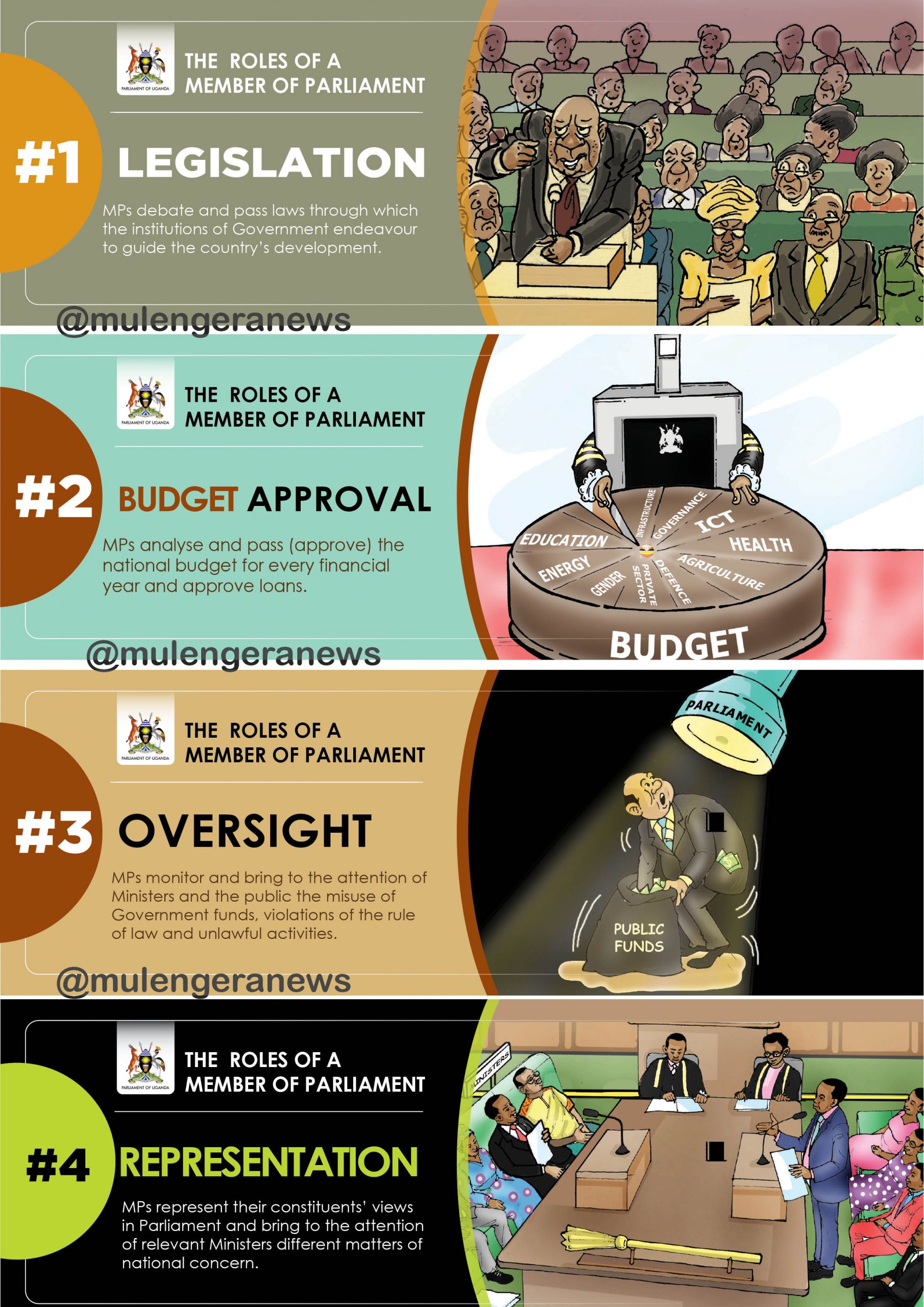
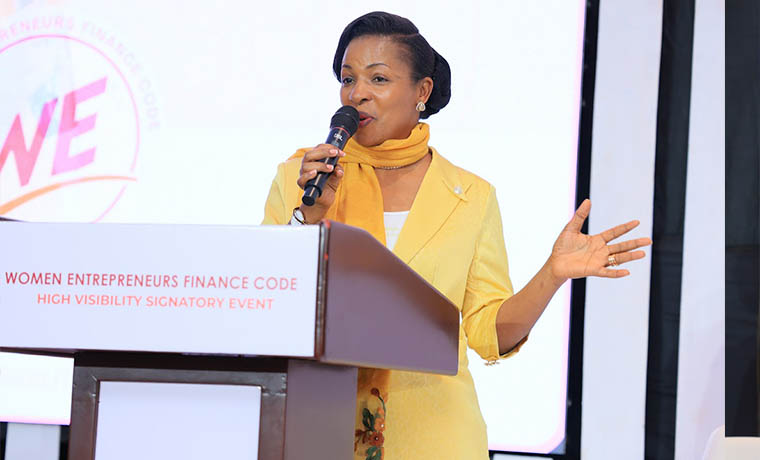
Dr Ruth Aisha Kasolo, National Coordinator of the World Bank-funded Generating Growth Opportunities and Productivity for Women Enterprises (GROW) Project, described the Code as more than a development project, saying it represents a national agenda that will shape how Uganda defines, measures and supports women-owned and women-led enterprises.

“This is not a project. This is a national agenda. It’s where a country stands and says, this is how we are going to define any woman micro-enterprise, micro and small enterprise. And it becomes a global definition,” Kasolo said.
She explained that Uganda had previously struggled with inconsistent definitions of women-owned businesses, with different institutions applying varying ownership thresholds and management criteria.
Some institutions considered a business women-owned if women held at least 51 per cent of its shares, while others used 55 per cent ownership or considered businesses managed by women regardless of shareholding. Other definitions focused on the proportion of women employed by an enterprise.
According to Kasolo, these inconsistencies made it difficult for Uganda to accurately report its progress in women’s financial inclusion and compare its performance with other countries.
She said the standardisation process would allow the Bank of Uganda, in its regulatory capacity, to provide a common framework for banks, microfinance deposit-taking institutions, SACCOs, Fintech companies and telecommunications operators to track financial transactions involving women.
The reporting is expected to cover deposits, loans, electronic money transactions, insurance products and other financial services accessed by women.
Kasolo said consistent reporting would help policymakers and financial institutions establish how far Uganda had progressed in bringing women into the formal financial system, while identifying gaps that require targeted interventions.
It would also enable Uganda to compare its performance with other countries in East Africa, the Common Market for Eastern and Southern Africa (COMESA), the wider African continent and other regions.
She attributed some of the progress in women’s access to finance to the GROW Project, a Government of Uganda programme funded by the World Bank and implemented by the Private Sector Foundation Uganda (PSFU) and the Ministry of Gender, Labour and Social Development.
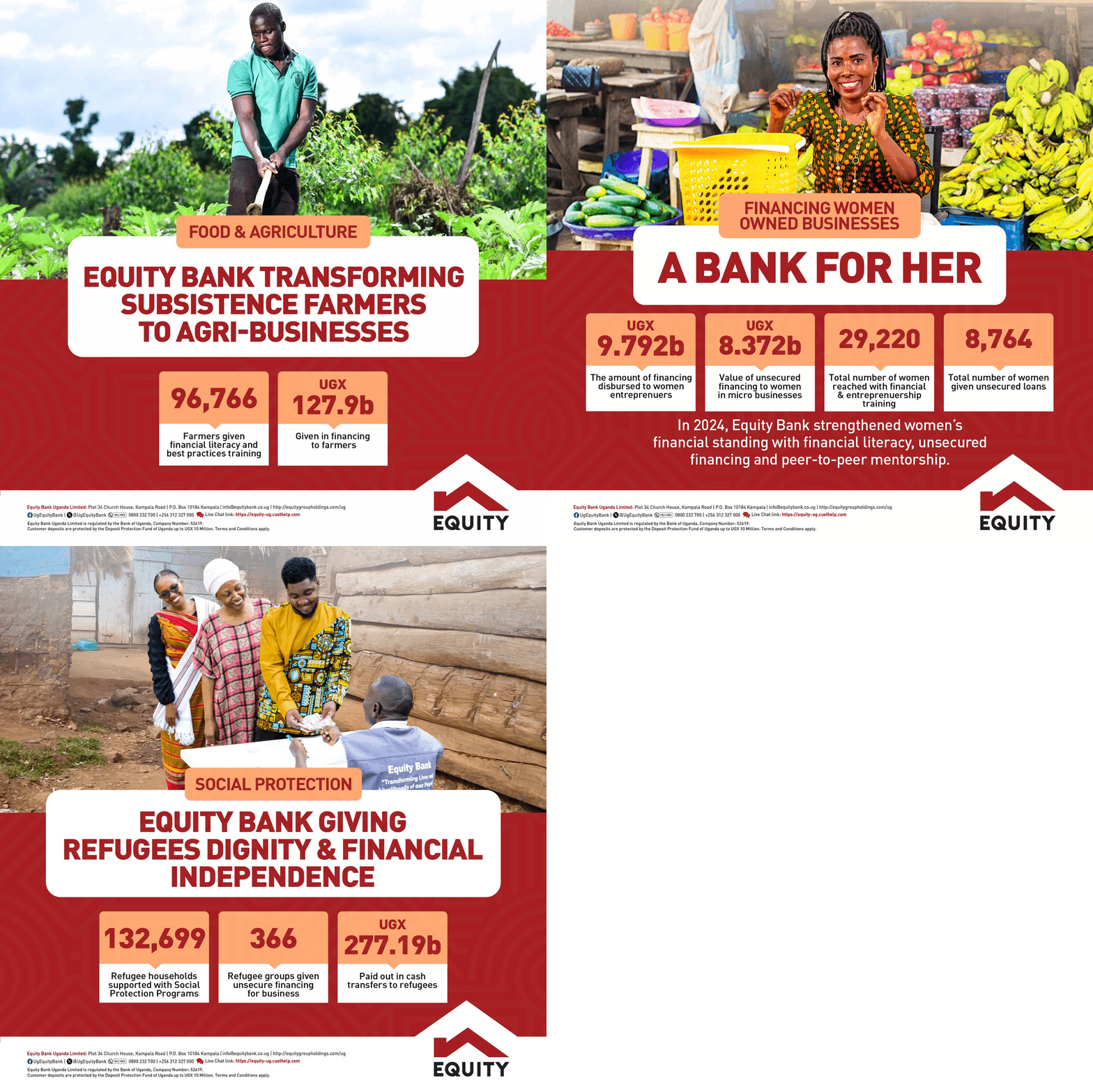
Kasolo revealed that whereas some banks had no dedicated financial products for women two years ago, all banks in Uganda now have programmes targeting women entrepreneurs.
She said the growing demand from women and the government’s push for gender-responsive financial inclusion had encouraged financial institutions, including those not directly implementing the GROW Project, to introduce initiatives aimed at women.
She further disclosed that between 35 and 42 per cent of women who had never accessed loans before were now entering the credit market through interventions associated with the GROW agenda.
Kasolo said the WE Finance Code would build on these gains by bringing more financial institutions and development partners into a coordinated national and global framework that requires them to report on their financing and other financial services for women.
Meanwhile, the Bank of Uganda has developed a Women in Finance Dashboard to provide accessible data on women’s participation in the financial system and help translate commitments under the Code into measurable action.
Milly Nalukwago, Director of Statistics at the Bank of Uganda, said the dashboard brings together information on deposits, loans, electronic money usage and the participation of women and men in the financial sector.
She said the publicly accessible dashboard is hosted on the Bank of Uganda website under the Data section, where users can navigate to Microdata to access the information.
The platform currently provides comparisons between women and men in terms of financial access, including individual accounts and small and medium-sized enterprises.
Nalukwago said the Bank was working to enhance the dashboard to identify enterprises owned by women, following agreement on a standard ownership threshold.
Under the agreed starting definition, a women-owned enterprise is one in which a woman holds at least 50 per cent of the shares.
The Bank will also monitor jointly owned enterprises in which men and women each hold 50 per cent, recognising that shared ownership is another important category within Uganda’s business environment.
She explained that the additional data would help establish the number of women-owned enterprises in the country, where they are located, how they access financial services and which channels they use most frequently.
The dashboard will also show the geographical distribution of women accessing financial services, helping financial institutions identify underserved areas beyond Kampala and develop targeted financing interventions.
Nalukwago said the platform was designed to bridge the gap between financial institutions’ commitments to supporting women and the actual development of products and solutions that address their financing challenges.
She identified lack of collateral as one of the major obstacles facing women entrepreneurs, noting that conventional lending requirements often demand land titles and other assets that many women do not own.
However, she said evidence showed that women were capable of repaying loans, making it important for financial institutions to reconsider lending requirements and explore alternatives that do not excessively depend on traditional collateral.
She said some of the emerging interventions would focus on reducing collateral requirements and using better data to identify women entrepreneurs who need financing.
Beyond access to credit, Nalukwago said the Bank of Uganda was also strengthening financial literacy as part of its broader efforts to improve financial health among women and other financially underserved groups.
She pointed to the recently launched Financial Literacy Strategy, which will support public education on saving, business management and responsible use of financial services.
She emphasised that access to finance must be accompanied by the ability to manage money and withstand economic shocks.
The dashboard, she added, would provide financial institutions with the evidence needed to design appropriate interventions, including alternative lending arrangements, while monitoring indicators such as loan repayment performance.
Uganda’s implementation of the WE Finance Code is being coordinated through a coalition involving the Bank of Uganda, PSFU, the Ministry of Gender, Labour and Social Development and other financial sector stakeholders, with support from the World Bank-funded GROW Project and Consumer Centrix.
The initiative seeks to strengthen accountability, improve the availability of gender-disaggregated financial data and encourage financial institutions to expand services for women-owned and women-led businesses.
Through standardised definitions, transparent reporting and targeted financial products, Uganda aims to build a financial ecosystem in which women’s contribution to enterprise development is more visible, measurable and adequately supported. (For comments on this story, get back to us on 0705579994 [WhatsApp line], 0779411734 & 041 4674611 or email us at mulengeranews@gmail.com).