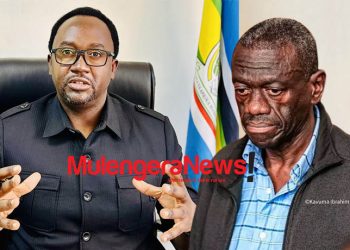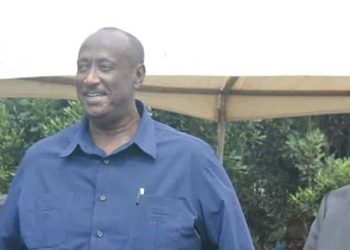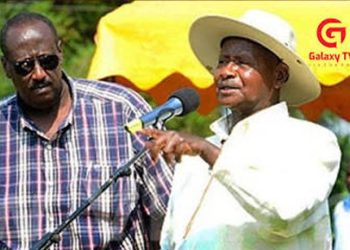








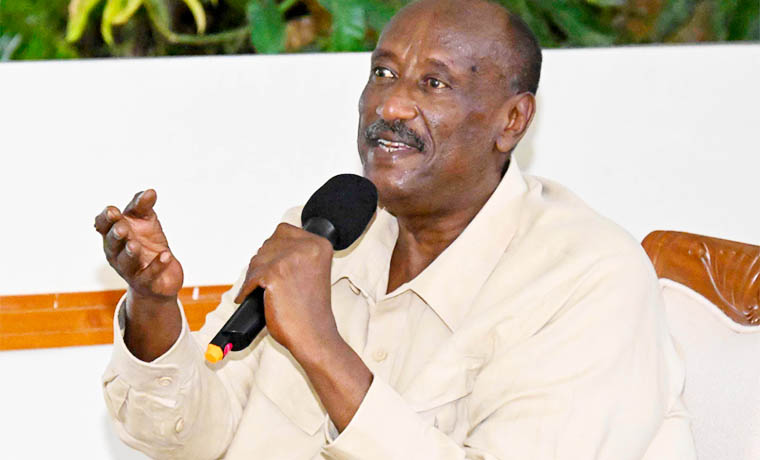
The national political settlement, proposed by Gen Salim Saleh must go beyond distributing political positions and confront the economic frustrations of youths, unemployment and unequal access to quality education, according to a working paper prepared by him (Saleh) and his personal assistant Professor Ogenga Otunnu.
The paper warns that political cooperation will struggle to achieve lasting national unity if large sections of the population continue to feel excluded from economic opportunities, public services and the benefits of national development.
In its assessment of the challenges facing the proposed Consociational Democracy Agreement, the document identifies youth alienation and unemployment among the unresolved issues that continue to animate political contestation.
It also highlights unequal access to quality education as part of the broader economic exclusion that can reinforce divisions within society.
According to Gen Saleh, an agreement designed to address sectarianism and marginalization must produce meaningful change in people’s daily lives, rather than stop at symbolic inclusion or negotiations among political leaders.
Among the proposed measures, the paper recommends targeted policies and interventions to address youth unemployment and alienation.
It also calls for increased budgetary attention to education, health, agriculture, land-related conflict resolution and the Parish Development Model.
The recommendations place economic participation alongside political inclusion, suggesting that national unity cannot be sustained simply by bringing leaders from different political parties into a common arrangement while leaving the underlying grievances of their supporters untouched.
The proposal further argues that government programmes be assessed through annual community impact assessments to determine whether they are addressing local needs and delivering sustainable results.
Such assessments, according to the paper, would strengthen accountability and help tailor services to the communities they are intended to benefit.
The proposed framework also envisages the participation of young people, women and labour representatives in implementation structures, rather than leaving the process entirely in the hands of senior political figures.
The authors argue that the categories of “losers” and “outsiders” must be dismantled beyond the negotiating table through the actual distribution of services, resources and opportunities, placing employment, education and economic participation among the issues against which the proposed agreement would ultimately be judged.
The paper’s central warning is that political cooperation between opposition and the ruling NRM that does not address unemployment, disparities and exclusion risks managing public frustration without resolving its real causes.
Its proposed remedy is to connect national political dialogue to practical government programmes, budget allocations and measurable improvements in people’s lives. (For comments on this story, get back to us on 0705579994 [WhatsApp line], 0779411734 & 041 4674611 or email us at mulengeranews@gmail.com).