




By Aggrey Baba
The government of Uganda has developed a new national framework to guide health and life skills education for the children and young people, following a year-and-a-half-long process involving several ministries, religious institutions and other stakeholders.
The National Framework for Education on Health and Life Skills, which has been under development since March 2025, is scheduled for official launch on Wednesday, October 28, 2026.
The initiative, led by the Ministry of Education and Sports, seeks to equip children and the youths with the knowledge, values and practical skills needed to navigate health challenges, build responsible relationships and transition into productive adulthood.
The framework brings together the Ministry of Health, Ministry of Gender, Labour and Social Development, Office of the First Lady, Uganda AIDS Commission, Interreligious Council of Uganda and other non-state stakeholders.
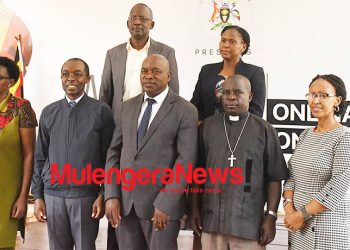
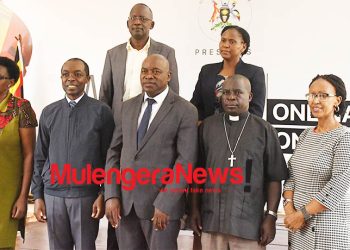
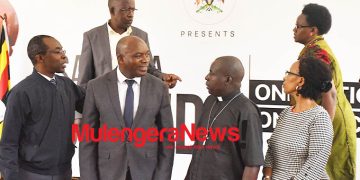
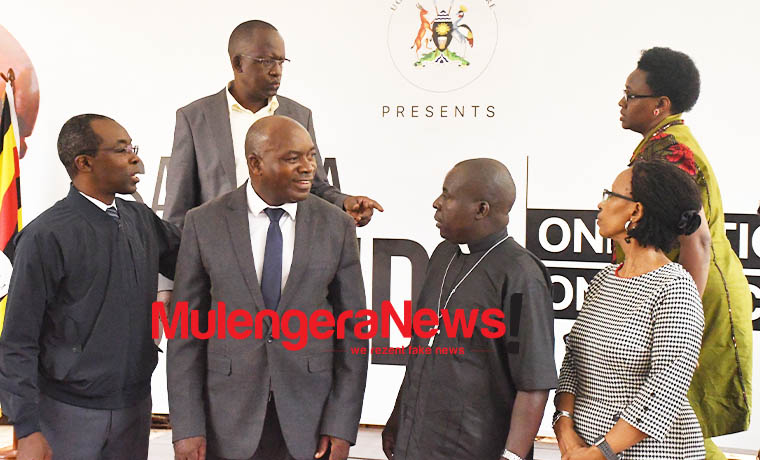
During a briefing at the Media Centre on Monday, Dr. Cleophus Mugenyi, the Comissiner Basic Education at the Ministry of Education said the collaborative initiative was intended to safeguard young people and prepare them to become responsible citizens.
“We are not merely launching a policy document. We are making a strategic, high-stakes investment in the future of Uganda,” Mugenyi said.
Representing the Permanent Secretary, he said rhe country’s youthful population presented both an opportunity for national development and a responsibility to ensure that young people were adequately prepared for adulthood.
Citing the 2024 national census, Mugenyi noted that Uganda had approximately 45.9 million people, with about half below the age of 18.
He said academic knowledge alone was insufficient to prepare young people for the challenges and opportunities they encounter, making health literacy and practical life skills equally important.
“This youth bulge is the engine that can drive the socioeconomic transformation outlined in Vision 2040,” he said, adding that young people needed the necessary skills to navigate a complex world full of risks, temptations and opportunities.
The five modules modules contained in the framework to be lauched include, growth and human development, relationships, life skills and keeping safe, health and well-being, and responsible citizenship.
These have been broken down into learning units, outcomes, values and life skills appropriate for children and young people aged three to five, six to nine, 10 to 12, 13 to 16 and 17 years and above.
The framework adopts a risk-avoidance approach to prevention, alongside risk-reduction measures for those already exposed to particular risks.
Dr Mugenyi described the approach as a homegrown intervention intended to promote responsible living among young people.
“The challenges of health and life skills can’t be solved by the Ministry of Education and Sports alone,” he said, emphasizing the importance of collaboration among government institutions and other stakeholders.
Education officials say the initiative will cover both learners in school and young people outside formal education, with implementation requiring cooperation among government agencies, families, schools, religious institutions and communities.
Dr. Mugenyi called on the media and other stakeholders to help communicate the framework to parents, young people and the wider public, emphasizing that health and life skills education should not be treated as an extracurricular activity but as an essential component of national development.