






By Ben Musanje
The Government of Uganda will begin relocating households living in landslide-prone areas of the Bugisu sub-region on Wednesday, October 21, 2026, with each household set to receive Shs18 million to facilitate their movement to safer locations of their choice.
The emergency resettlement exercise follows growing concerns over the threat of landslides in the mountainous areas of eastern Uganda as the rainy season continues, raising fears that communities living in vulnerable locations could face disaster.
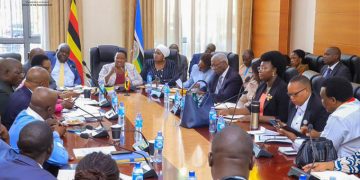
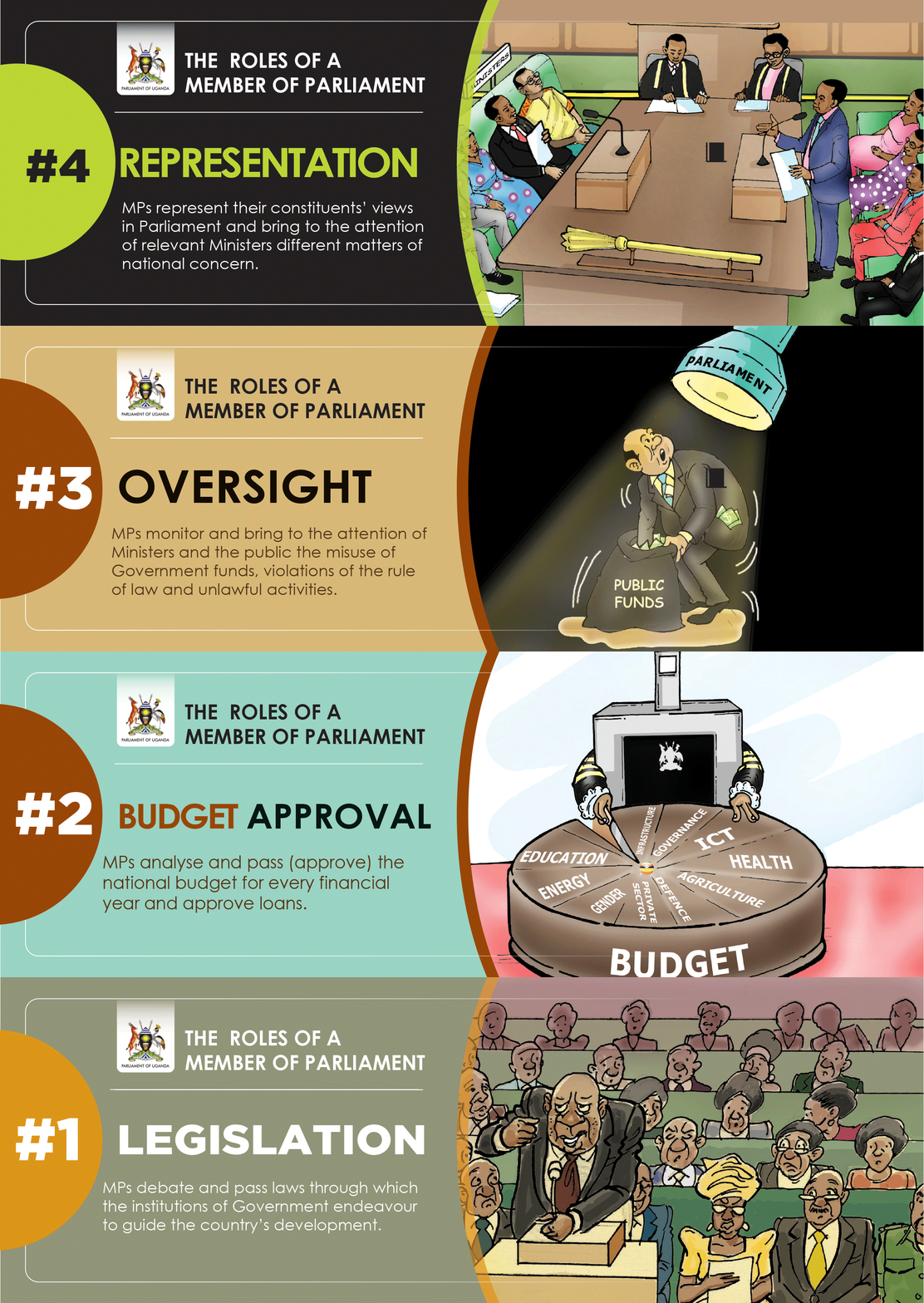
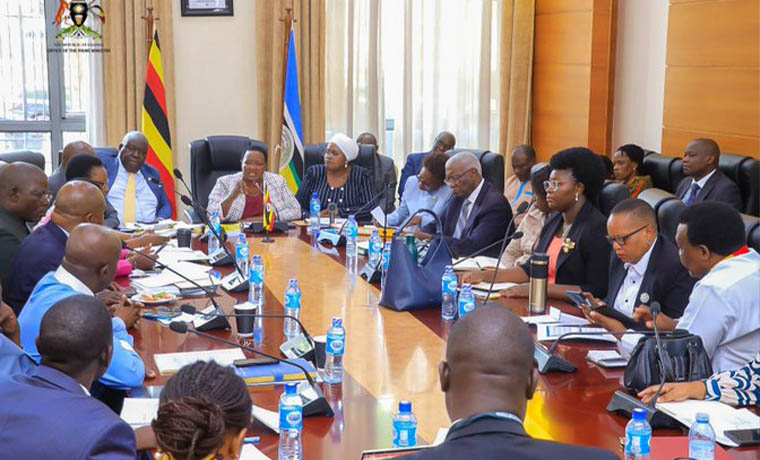
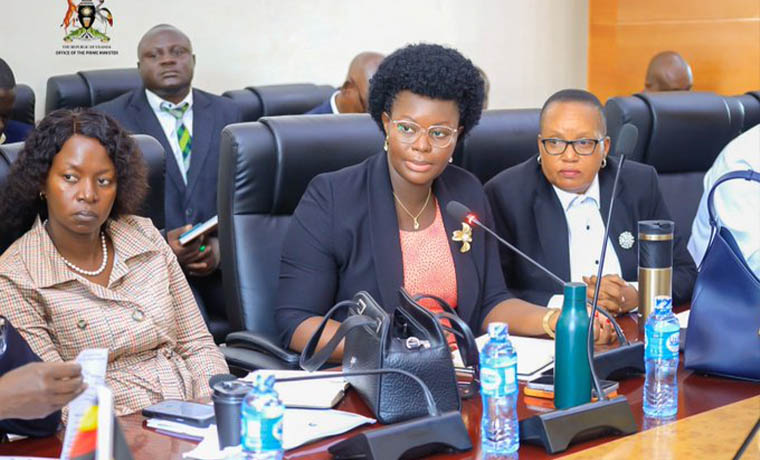
Prime Minister Robinah Nabbanja announced the plan following an emergency meeting with Members of Parliament representing the Bugisu sub-region at her office in Kampala on Tuesday.

The meeting was convened to coordinate the immediate relocation of residents living in areas considered at high risk of landslides and to ensure that the resettlement exercise begins without further delays.

According to the Prime Minister, an assessment conducted by the Office of the Prime Minister through the Ministry responsible for disaster preparedness established that more than 13,000 people are currently living in landslide-prone areas and need to move to safer locations.
The assessment identified the urgency of relocating the affected communities before further disasters occur, particularly in areas where unstable terrain and persistent rainfall pose a serious threat to human life.
The latest decision follows a Cabinet meeting held on October 5, 2026, during which President Yoweri Kaguta Museveni directed the Prime Minister to ensure that people living in the vulnerable areas are resettled immediately.

To facilitate the exercise, the Government has allocated Shs62 billion, with each household expected to receive Shs18 million to support relocation to safer land in locations of their choice.
The financial package is intended to help affected families establish themselves in safer areas and reduce their exposure to the dangers associated with living on unstable slopes.
The announcement has been welcomed by legislators from the Bugisu sub-region, who expressed appreciation for the Government’s intervention, describing the relocation plan as an important step towards protecting their constituents from a looming disaster.
The legislators have been engaging with the Government over the risks facing communities in the region, where landslides have repeatedly threatened lives, homes and livelihoods.
Nabbanja said she would travel to Mbale on Wednesday to oversee the implementation of the exercise, beginning with Namisindwa District, as the Government moves to ensure that the affected households are relocated successfully.
Her presence in the region is expected to help coordinate local authorities, legislators and other responsible agencies as the relocation process gets underway.
The Government’s approach places immediate priority on moving residents away from high-risk areas before the situation deteriorates further.
However, the success of the exercise will depend on how quickly the affected households can identify suitable land, access the relocation funds and establish secure homes in their new communities.
With more than 13,000 people identified as living in landslide-prone areas, the exercise represents a significant emergency intervention for the Bugisu sub-region.
The Government is now under pressure to ensure that the funds reach the intended beneficiaries promptly and that the relocation process protects vulnerable families without exposing them to new challenges.
As the exercise begins in Namisindwa, attention will turn to the speed of implementation and the ability of the authorities to move families to safety before further landslides threaten communities in the region. (For comments on this story, get back to us on 0705579994 [WhatsApp line], 0779411734 & 041 4674611 or email us at mulengeranews@gmail.com).