






By Mulengera Reporters
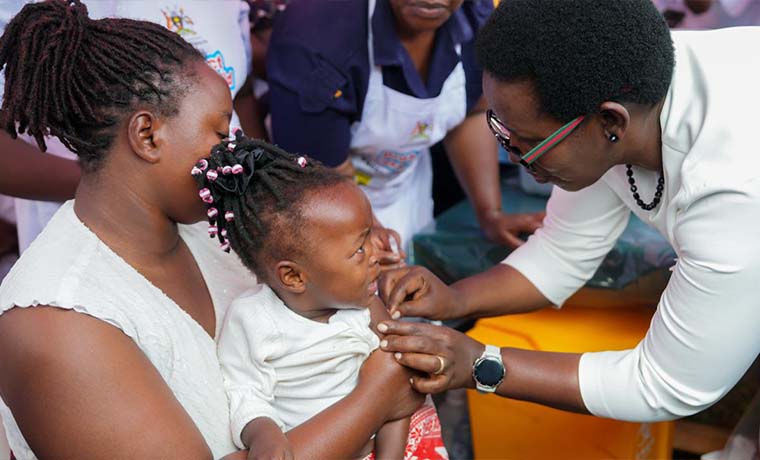
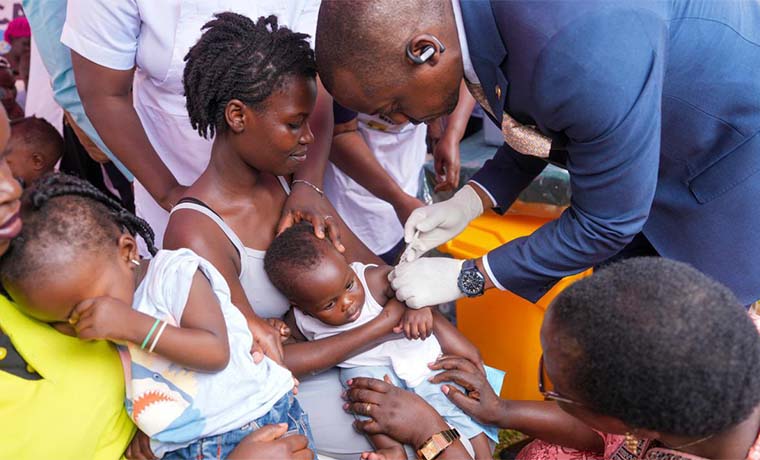
Health Minister Dr. Chris Baryomunsi has launched a nationwide measles-rubella vaccination campaign as Uganda seeks to close persistent immunization gaps blamed for leaving thousands of children vulnerable to the highly contagious disease.
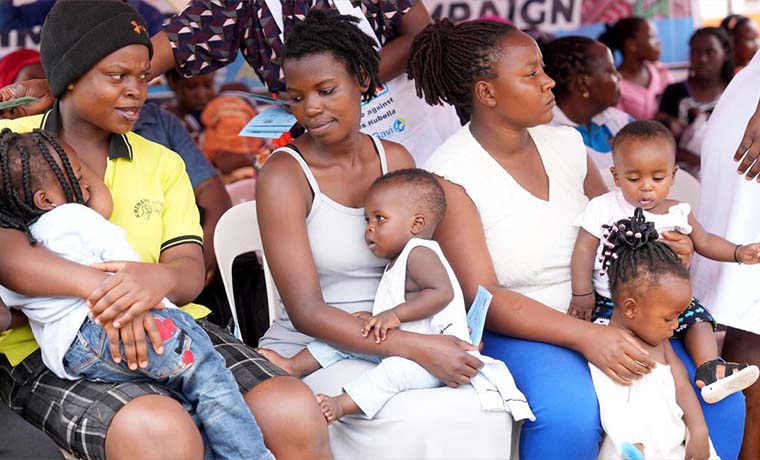
The five-day campaign, running from October 1 to 5, 2026, targets all children aged nine months to five years, including those living in refugee communities, regardless of whether they have previously received the measles-rubella vaccine.
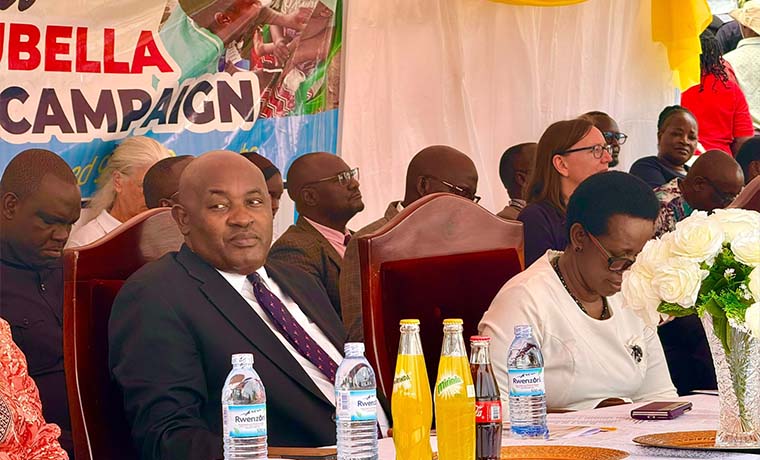
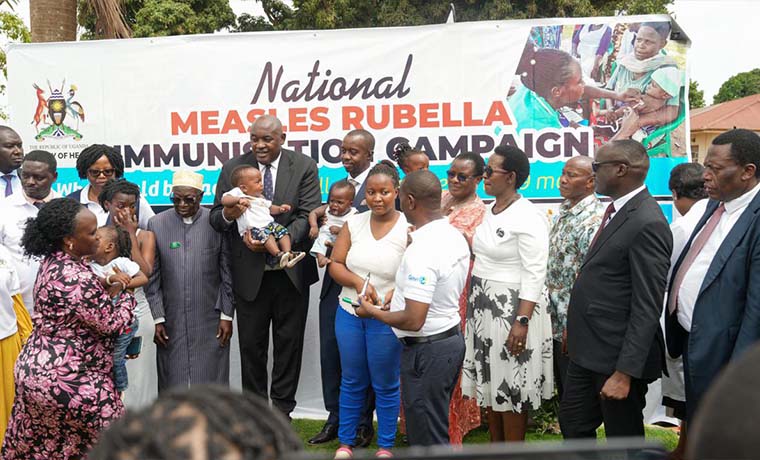
Speaking at the campaign launch in Wakiso on Thursday, Baryomunsi said the intervention was necessary because Uganda’s measles vaccination coverage remains below the level required to interrupt transmission and prevent outbreaks.

Uganda’s measles vaccination coverage has improved from 79 percent in 2016 to 90 percent in 2024, but the minister said this remains below the 95 percent coverage level required to interrupt transmission.

The larger concern, however, is the gap between children receiving the first and second doses of the vaccine.
According to Baryomunsi, 92 percent of children received the first measles-rubella dose in 2025, compared to only 64 percent who received the second dose administered at 18 months.
“This has left a substantial number of children susceptible to Measles infection,” he said.

The minister said the resulting immunity gaps have been reflected in the spread of measles across the country, with 66 districts reporting confirmed outbreaks in 2025, involving more than 10,163 cases and 60 deaths.
Since January this year, he said, measles outbreaks had been confirmed in 20 districts, with 12 measles-related deaths reported.
Baryomunsi said investigations by technical teams found that the outbreaks were being driven by several factors, including children missing their scheduled vaccinations altogether or receiving only one of the two recommended doses.
He also cited difficulties in reaching some remote populations, vaccine misinformation and hesitancy, weaknesses in disease surveillance, delayed care-seeking and varying capacities among districts to respond to outbreaks.
Severe malnutrition and other complications have also contributed to deaths among affected children, particularly in the Karamoja region, he said.
The nationwide campaign is therefore intended to close the existing immunity gaps and provide an immediate response to the measles threat.
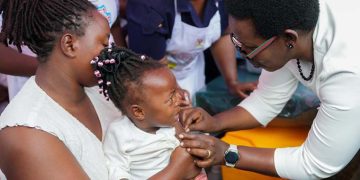
Children eligible for vaccination will receive the vaccine free of charge through health facilities and outreach posts. The campaign will also be integrated with the October Integrated Child Health Days in an effort to maximise its reach.
Baryomunsi said the government had already undertaken several measures to contain the outbreaks, including strengthening national and regional outbreak coordination, intensifying outbreak investigations and laboratory confirmation, supporting vaccination in affected districts and strengthening surveillance and risk communication.
Additional vaccines and resources have also been provided to high-risk areas.
However, the minister said the level of exposure in the population made a broader national intervention necessary.
He stressed that the campaign should not be viewed as a substitute for routine immunisation, which remains critical to ensuring children receive vaccines at the recommended ages and maintaining population immunity against vaccine-preventable diseases.
Uganda launched its Uganda National Expanded Programme on Immunisation (UNEPI) in 1983 to provide organised vaccination services. The programme was relaunched in 1987 and initially targeted six major childhood diseases — polio, measles, diphtheria, whooping cough, tetanus and tuberculosis. It has since expanded to cover 14 diseases.
Baryomunsi credited immunisation with contributing significantly to the reduction of childhood deaths and the decline of several vaccine-preventable diseases.
He said infant mortality had fallen from 120 deaths for every 1,000 live births in 1984 to 36 currently, attributing a significant part of the decline to immunisation against major childhood killer diseases.
He noted that severe manifestations of diseases such as polio and neonatal tetanus have become increasingly uncommon, while measles remains a concern because immunity gaps continue to provide opportunities for transmission.
The Ministry of Health has worked with the Ministries of Education and Sports, Gender, Labour and Social Development, and Local Government in preparing for the campaign.
The Office of the President has also engaged Resident District Commissioners and Resident City Commissioners to provide leadership and support mobilisation at community level.
Baryomunsi said all required vaccines and supplies had been procured and distributed to local governments, alongside funds needed to conduct the campaign.
He called on Members of Parliament, parents, caregivers, religious and cultural leaders, local governments and communities to ensure that every eligible child is reached.
“Vaccination is not the responsibility of the Ministry of Health alone. It is a national responsibility,” Baryomunsi said.
He said the immediate goal was to close the immunity gaps exposed by the recent outbreaks, while the longer-term priority remains strengthening routine immunisation so that children receive their vaccines on schedule.
The minister’s message was direct: “No child should die from Measles when we have a safe and effective vaccine to prevent it.” (For comments on this story, get back to us on 0705579994 [WhatsApp line], 0779411734 & 041 4674611 or email us at mulengeranews@gmail.com).