






By Aggrey Baba
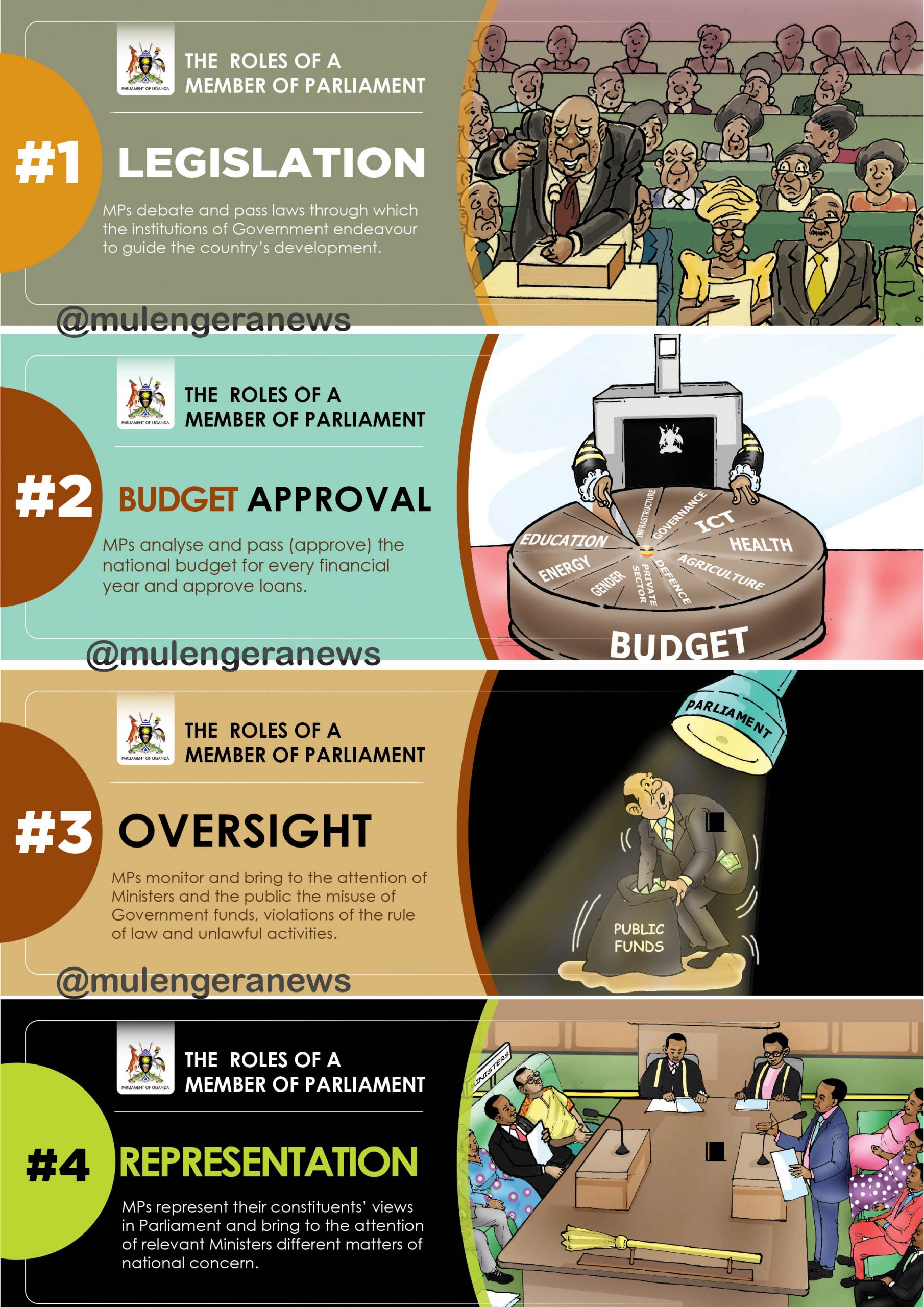
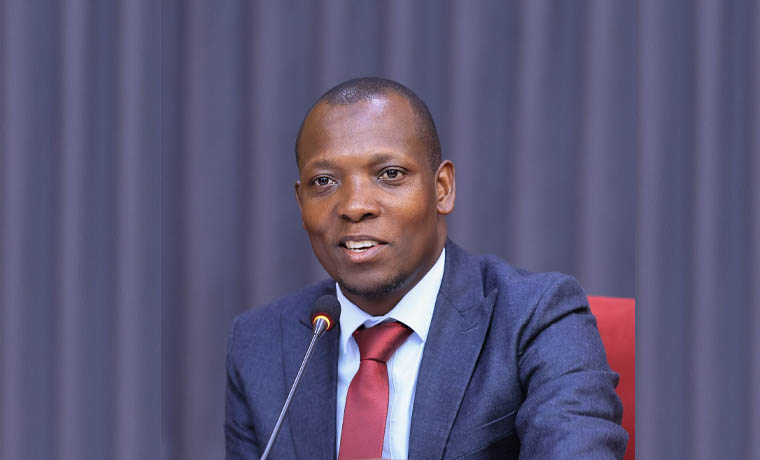
Lawyer and Kyadondo East MP Muwada Nkunyingi has put Uganda’s courts of law on the spot, questioning why constitutional and human-rights cases involving detained opposition supporters continue to remain pending as NUP welcomed back a number of its members who have recently walked free from different prisons.
Nkunyingi arrived late at the NUP press conference in Kavule, finding the party’s Deputy President for Buganda, Muwanga Kivumbi, already delivering his final remarks to journalists.
But in a post-event interview, the Kyadondo East MP seized on the occasion to demand answers from the courts, arguing that prolonged detention and alleged coercion of detainees into admitting offences they deny committing have become matters that can no longer be ignored.
“I want to task the courts of law, courts of judicature, and the judiciary. Many petitions that have been filed in the Constitutional Court are not yet determined,” Nkunyingi said.
He also pointed to cases filed in the High Court under the Human Rights Enforcement Act, saying some had similarly not been determined.
Nkunyingi questioned whether the delays were affecting citizens’ access to justice, going as far as alleging that the judiciary could either be operating under fear or deliberately withholding justice.

“It appears that the judiciary is either also in fear or intentionally refusing to accord the people the justice they require,” he said.

His concerns came as NUP celebrated the return of political supporters and leaders who had spent prolonged periods in detention, including Muwanga Kivumbi, Sauda Madaada and Anthony Agaba (Bobi Young).
Nkunyingi said the accounts emerging from some former detainees were particularly disturbing because they allegedly involved pressure, prolonged detention or duress to make people accept responsibility for offences they insist they never committed.
“Many of those reported released from prison have been coerced, according to their narrative, either through duress or longer detention into accepting or conceding to crimes they never committed,” he said.

He argued that such allegations go beyond individual political cases and touch the very foundation of Uganda’s constitutional order.
“This is now a challenge to all of us as people. It is a challenge for our constitutional order because the law does not allow even torture for purposes of securing admission or concession of a crime,” he said.
Nkunyingi called the alleged practice “very illegitimate” and “very concerning”, urging Ugandans to refuse to remain silent.
He specifically called on cultural leaders, religious leaders and politicians to speak out, saying protection of fundamental freedoms should not be left to opposition politicians alone.
“The public must be allowed to speak out, and as well all cultural leaders, religious leaders, political leaders, among others, must voice out these concerns,” he said.
He also condemned what he called the continued detention of people who speak out against injustice.
“We must condemn the recklessness and the continued denial of basic rights and freedom to the people,” Nkunyingi said.
He added that the continued detention of people who raise their voices against alleged injustice was very concerning
According to him, the return of former detainees should therefore not mark the end of the conversation.
Instead, he said, it should force the country to confront questions about due process, judicial accountability, human-rights protection and the treatment of political dissent.
“We must have a country that adheres to the rule of law, human rights protection, good governance, democracy, among others,” he said, insisting that citizens must remain free to challenge injustice and express dissent without fear.
“People must be left to be free to speak out against injustice, to voice out voices of dissent, and they should be free as people and as citizens,” Nkunyingi said. (For comments on this story, get back to us on 0705579994 [WhatsApp line], 0779411734 & 041 4674611 or email us at mulengeranews@gmail.com).