













By Guest Writer
The Speaker of Parliament, Rt. Hon. Jacob Marksons Oboth, has stepped in to defuse a long-running dispute between the Bank of Uganda (BoU) and the Uganda Co-operative Savings and Credit Union Limited (UCSCU).
Oboth has further secured a phased path to compliance and directed the Ministry of Finance to initiate an amendment to the law governing Savings and Credit Cooperative Organisations (SACCOs).
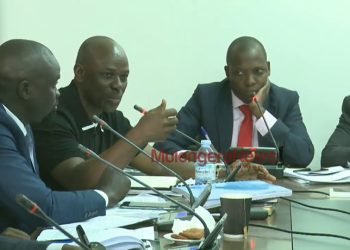
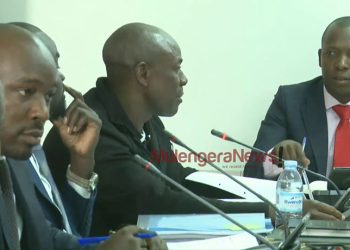
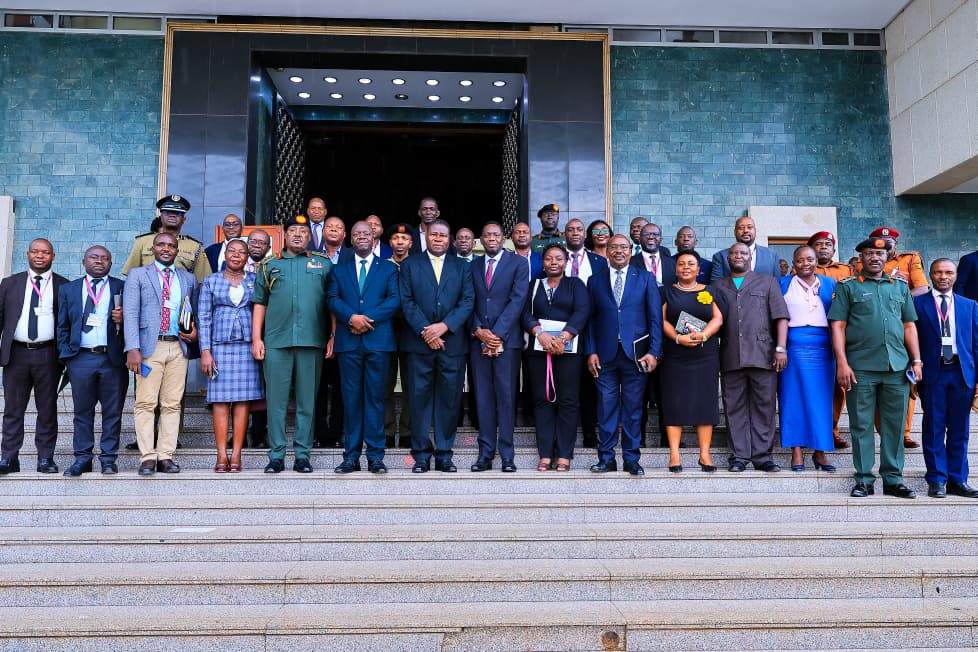
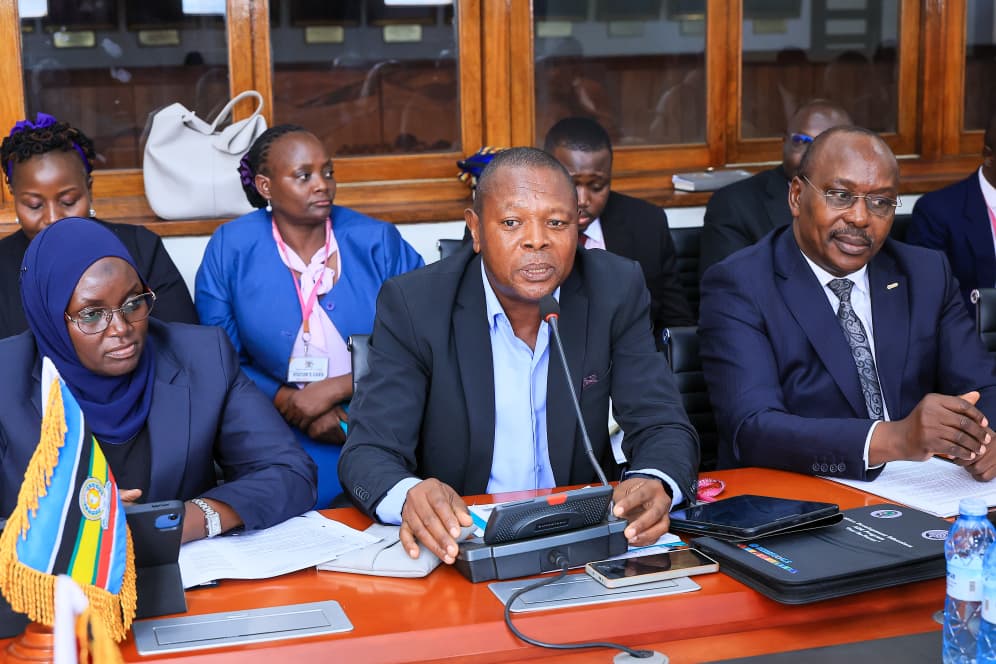
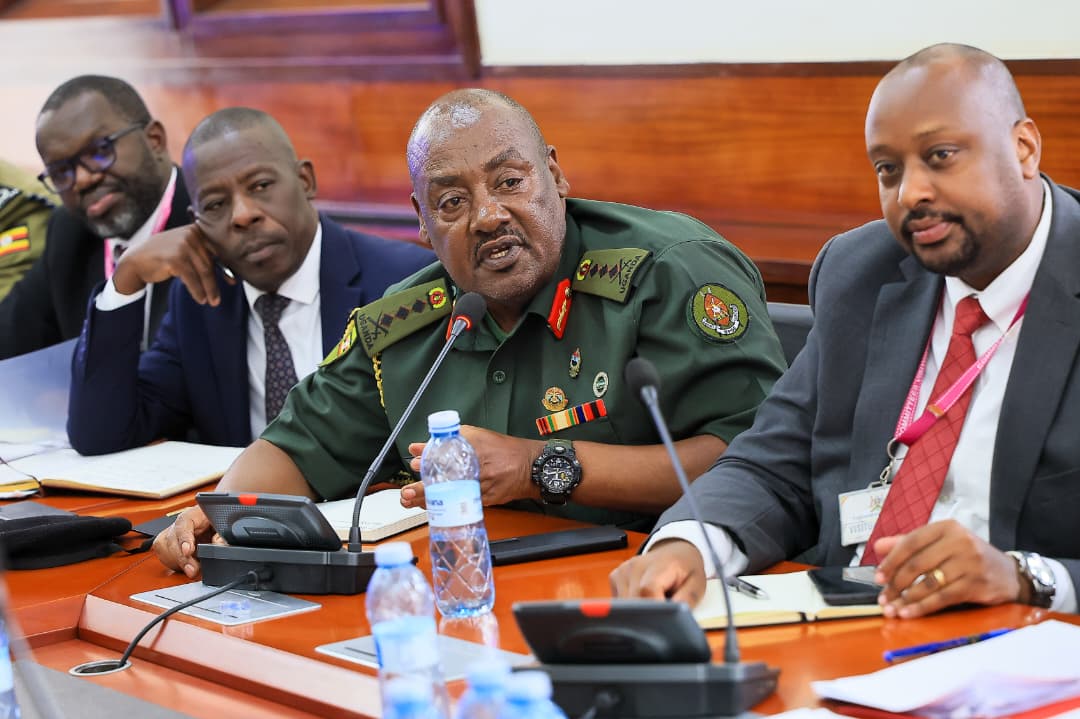
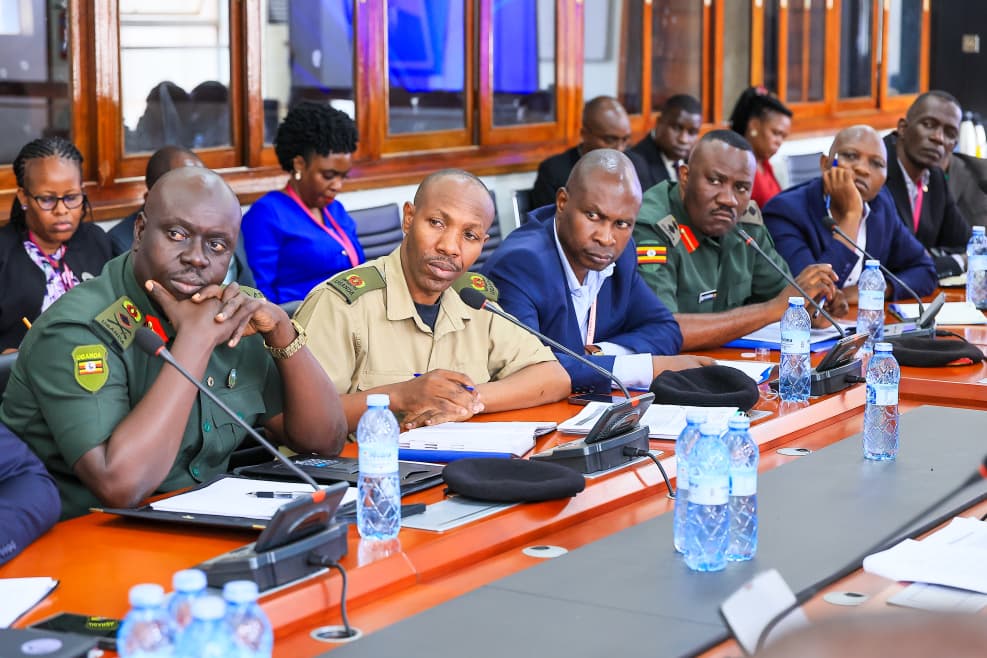
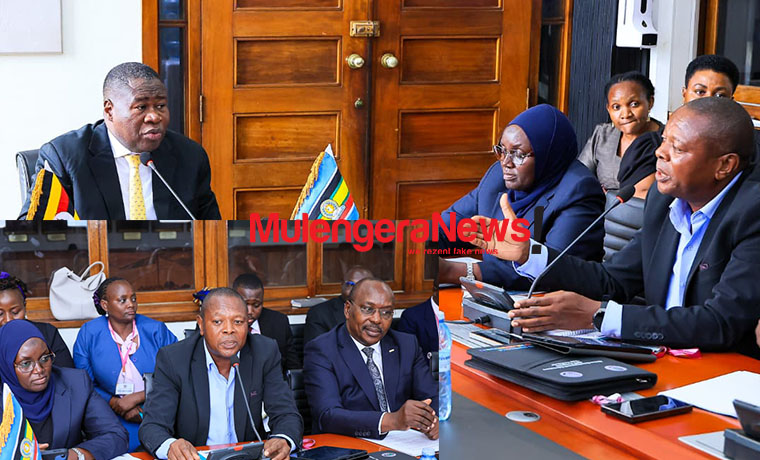
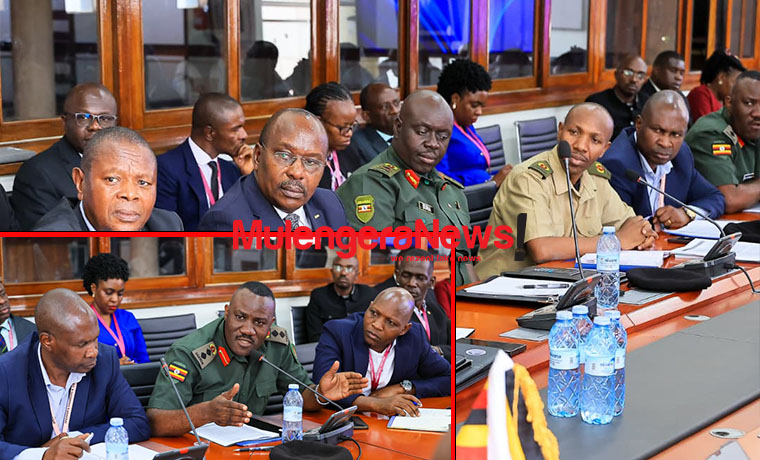
The breakthrough came after a tense two-hour meeting in Parliament’s South Committee Room this morning, attended by the Central Bank, cooperative leaders, and the Ministries of Finance and Trade.

The meeting was convened after UCSCU, the apex body for SACCOs in Uganda, petitioned the Speaker over the central bank’s order that large SACCOs comply or be shut out.

A Deadline That Could Freeze Millions in Savings
In a September 14 letter to UCSCU Chief Executive Officer Sylvester Ndiroramukama, BoU Governor Michael Atingi-Ego gave large SACCOs until September 30, 2026 to submit licensing applications. He warned that the deadline would be neither lifted nor extended.
Under the directive, large SACCOs without a BoU licence by October 1 would be cut off from the commercial banking system. They would lose access to their deposits held in commercial banks and would be unable to transact through mobile money.

“This is a looming crisis,” Lt. Gen Sam Kavuma, the Board Chairman Wazalaendo SACCO leader warned, cautioning that such a cut-off could trigger panic and runs on SACCOs.
Bank of Uganda: The Law Is Clear
Governor Atingi-Ego, who led the BoU delegation, said the central bank’s mandate comes from the Microfinance Deposit-Taking Institutions Act, Cap. 58, and the Micro-Finance Deposit-Taking Institutions (Registered Societies) Regulations, 2023.
“This matter got to President Yoweri Museveni and a few things were agreed upon. But the law is clear. If we do not adhere to the deadline, the country will be moved into the grey zone and this is not good for the economy,” the Governor said.
He explained that BoU had fulfilled every commitment from a February 2026 stakeholders’ meeting. He said it had extended the original deadline to September 2026, received a matrix of regulatory gaps from the cooperative movement, and carried out stakeholder sensitization.
“Right Honourable Speaker, we have done all those three religiously,” he said.
The Governor said eight SACCOs are already fully licensed, 21 are at the final stage, and about 50 have picked application forms. “Why aren’t the others coming?” he asked.
He also warned that Uganda faces a Financial Action Task Force (FATF) mutual evaluation beginning in 2027.
“We run a risk of this country going back to the grey list. We cannot have big financial institutions hanging in the air,” he added.
SACCOs: “Regulate Us, But Under One Law”
Cooperative leaders insisted they are not resisting oversight. Their objection is to a system in which three institutions regulate the sector under different laws: the Ministry of Trade, the Ministry of Finance’s Microfinance Regulatory Department, and the Bank of Uganda.
“It is not true that SACCOs don’t want to be regulated. We actually want to be regulated, but we want regulation which is harmonised,” Mr. Ndiromukama said.
“We want to be regulated, but we want this to be done under one law, one regulator, like other successful countries such as Kenya,” Mr. Ndiroramukama said before calling for proportional oversight based on the size of each SACCO.
“For example, we have large SACCOs, mid-level SACCOs and small SACCOs. We propose that this deadline be postponed to help us resolve outstanding issues and also allow members to hold their Annual General Meetings, during which resolutions to join the regulator will be sought,” he added.
The SACCO leaders explained that under the Cooperative Societies Act, a decision to seek a BoU licence must be approved at an AGM.
For most SACCOs, AGMs fall around March, which made the September deadline unworkable for many of them, the leaders further observed.
Col. Allan Kitanda, a UCSCU Board Member from Wazalendo SACCO, argued that the law had not anticipated the sector’s rapid growth.
“This sector is young. The laws that were in place were made at a time when we were not having this kind of growth. Sociologically, the laws must conform to the growth of the sector,” he said.
The Speaker Intervenes
Speaker Oboth agreed that the conflict between the laws demanded a political solution.
“When two laws conflict or contradict each other, you need a Speaker to speak to both sides so they can see the difference, and everyone is left happy,” he said.
He noted that a law passed a decade ago and never fully implemented deserved review.
“BoU’s positivist theory says the law must be applied as it is, not as it ought to be. But the sociological perspective calls for logic,” the Speaker observed.
“While it is bad to be on a grey list as a country, it will also be a crisis if we do not listen to the petitioners,” he added.
He reminded participants that courts had already declined to halt implementation of the law.
“You cannot stop the operation of the law by using court; you can only do that when you do an amendment,” he said.
The Way Forward
After long deliberations, the meeting resolved that;
First, large SACCOs will pick up licensing application forms within seven days as a sign of good faith.
Second, SACCOs that make genuine efforts to submit applications by March 31, 2027 will be given consideration.
Third, the Speaker floated June 30, 2027 as a possible outer limit for the phased process, subject to BoU’s position.
Fourth, the Speaker directed the Minister of Finance will initiate an amendment bill to harmonize the legal framework for registered societies and create a SACCO-specific regime.
Governor Atingi-Ego cautioned that any extension must be matched by concrete action from the cooperators and that the central bank’s regulatory position remains in force.
Speaker Oboth guided that a taskforce that was formed previously to work on counter proposals to BOU be reinstated to follow on this roadmap.
“But show willingness by picking the forms and returning them in time. The truth is that you will all be under BOU. They run the economy and their mandate is an international best practice, “he cautioned the cooperators. (For comments on this story, get back to us on 0705579994 [WhatsApp line], 0779411734 & 041 4674611 or email us at mulengeranews@gmail.com).