







By Ben Musanje
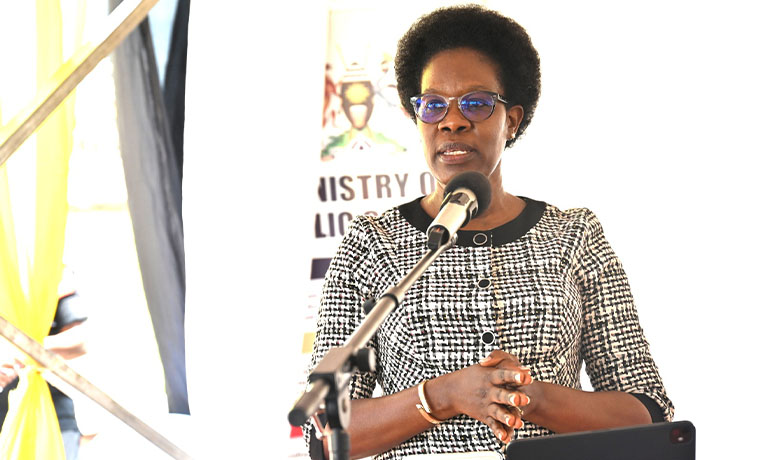
Deputy Inspector General of Government (DIGG) Dr. Patricia Achan Okiria has warned public servants against treating accountability as optional, saying it is both a constitutional obligation and an ethical duty.
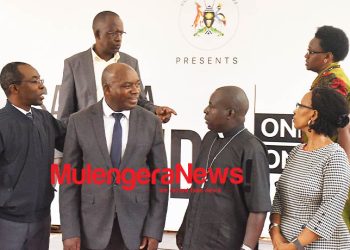
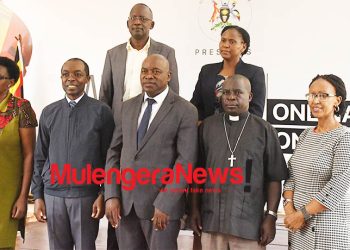
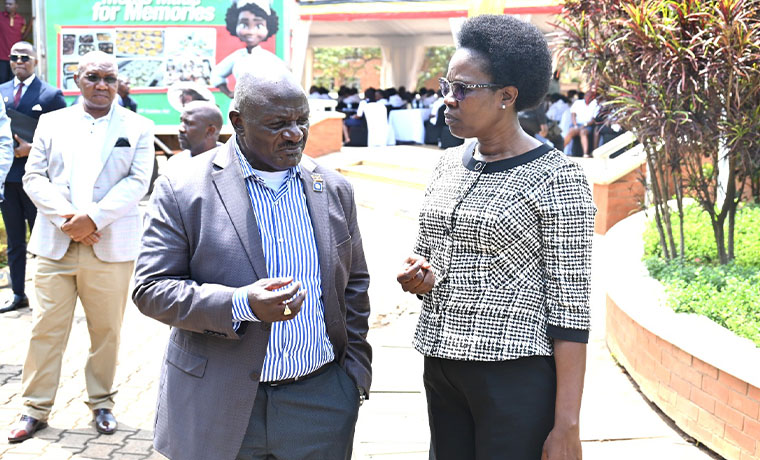
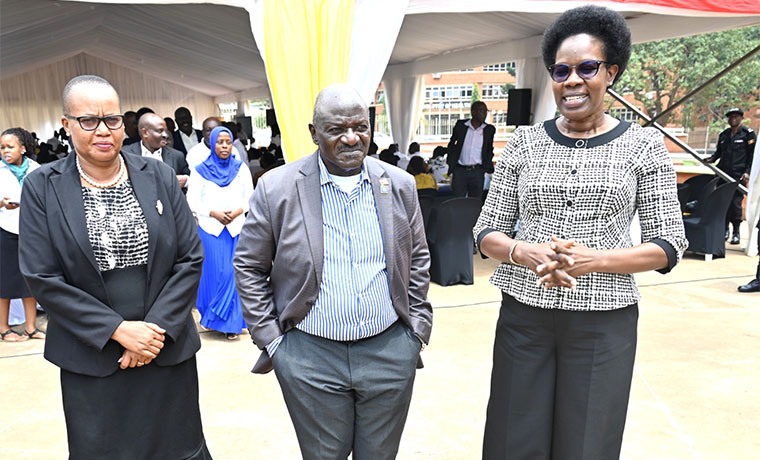
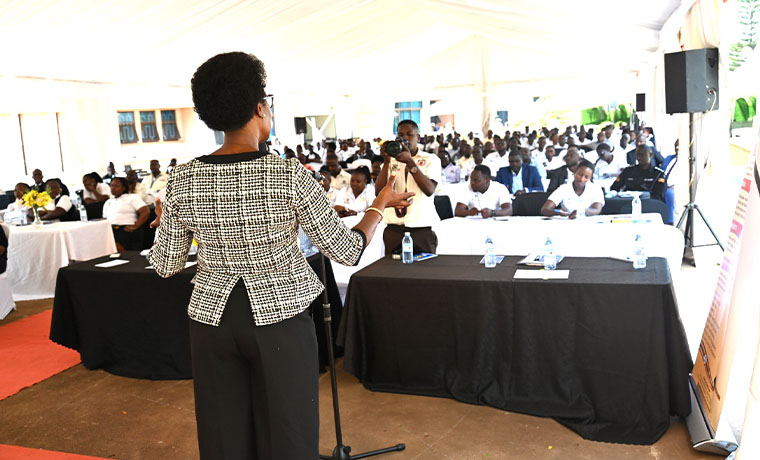
Speaking at the Ministry of Public Service Annual Staff Baraza at the National Records and Archives Centre in Kampala, Dr. Okiria urged ministry staff to make accountability a guiding principle in the execution of their duties.
She said adherence to accountability would help strengthen public trust, improve service delivery and ensure that government services remain focused on the needs of citizens.

“The question each of us should continually ask is: if the citizens whose resources I am managing were standing beside me, would I be comfortable explaining this decision, this expenditure, this appointment, this procurement process or this use of public property to them?” Dr. Okiria said.

“That is the spirit of public accountability,” she added.
Delivering a keynote address on “Transparency and Integrity,” Dr. Okiria said accountability in public service revolves around three key areas: the decisions officials make, the authority they exercise and how they use public resources.
She stressed that accountability must be at the heart of public administration, particularly as government intensifies efforts to combat corruption and safeguard public resources through institutions such as the Inspectorate of Government.
Dr. Okiria also reminded public servants that citizens judge government largely through the quality of services they receive rather than through policies and official speeches.
“Citizens experience Government primarily through the services they receive not merely through policy documents or speeches,” she said, citing the availability of medicines at health centres, presence of skilled personnel, quality education, maintained roads and efficient processing of applications as some of the ways citizens interact with the state.
She urged public officials to treat every interaction with citizens as an opportunity to build confidence in government rather than erode it.
On the management of public resources, Dr. Okiria said government funds and property must be used strictly for authorised purposes and properly accounted for.
“Public resources must be used strictly for their intended purposes. They must never be diverted for personal benefit or for any other unauthorised purpose,” she said.
She added that government expenditure should be properly documented, accurately recorded and transparently accounted for.
Dr. Okiria further noted that Uganda’s development frameworks identify good governance, accountability and control of corruption as critical drivers of socio-economic transformation.
She challenged ministry staff to carry the lessons from the Baraza into their daily work, particularly in how they exercise authority, manage public resources, interact with citizens and deliver results.
Her message also served as a warning that public officials found culpable of wrongdoing would face the full force of the law.
Meanwhile, Minister for Public Service Rtd. Gen. Edward Katumba Wamala called on ministry staff to strengthen teamwork and professionalism, saying the success of government institutions depends on employees working together towards common goals.
“Success comes when all of us work together. So when we deliver results, we win as one team,” Katumba said.
He also urged staff to maintain professionalism and respect one another regardless of rank.
The Baraza was attended by State Minister for Public Service Hon. Lydia Wanyoto Mutende, former Minister for Public Service Hon. Muruli Mukasa, and State Minister for Bunyoro Affairs Hon. Grace Mugasa, who previously served as State Minister for Public Service. (For comments on this story, get back to us on 0705579994 [WhatsApp line], 0779411734 & 041 4674611 or email us at mulengeranews@gmail.com).