








By Mulengera Reporters
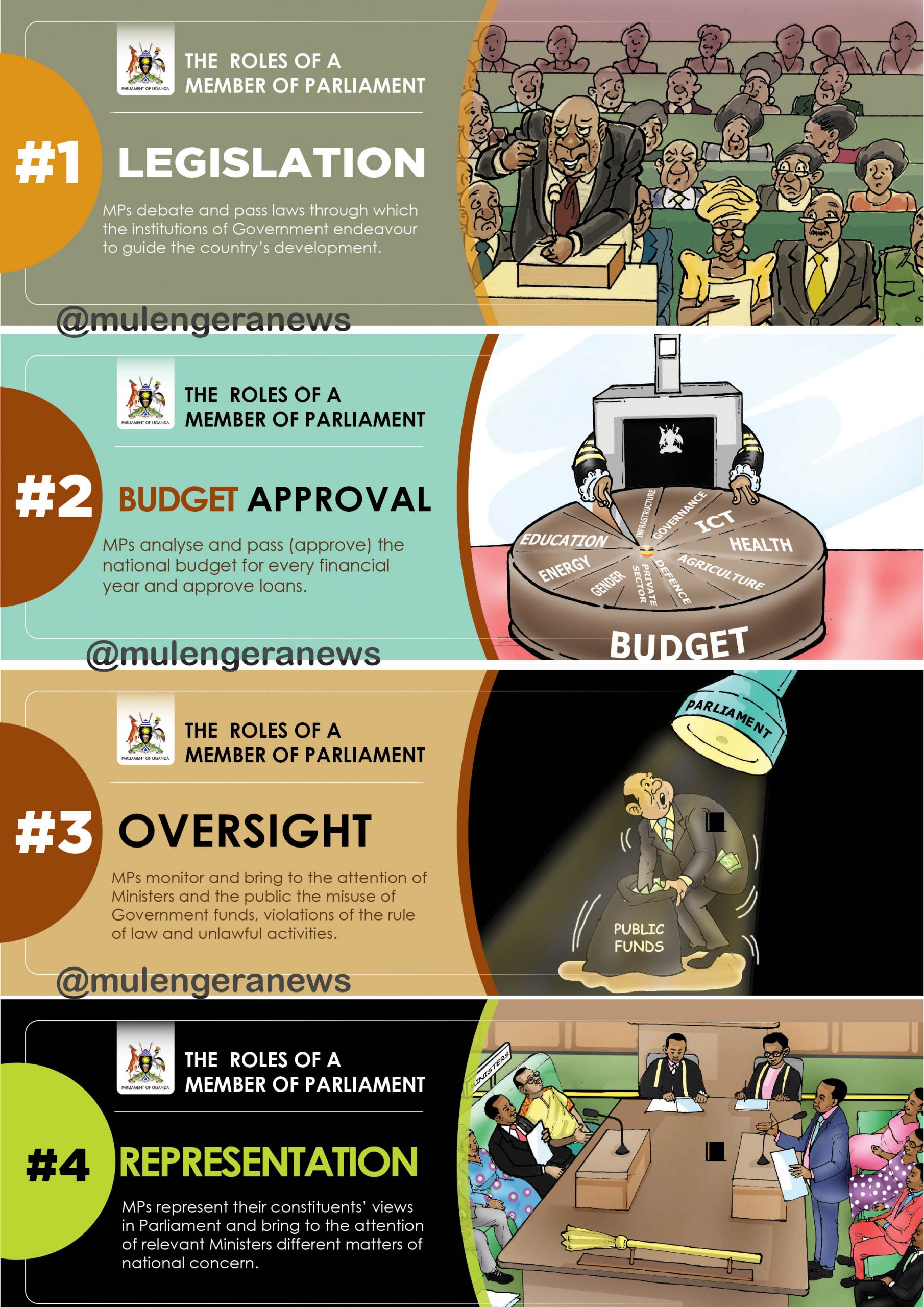
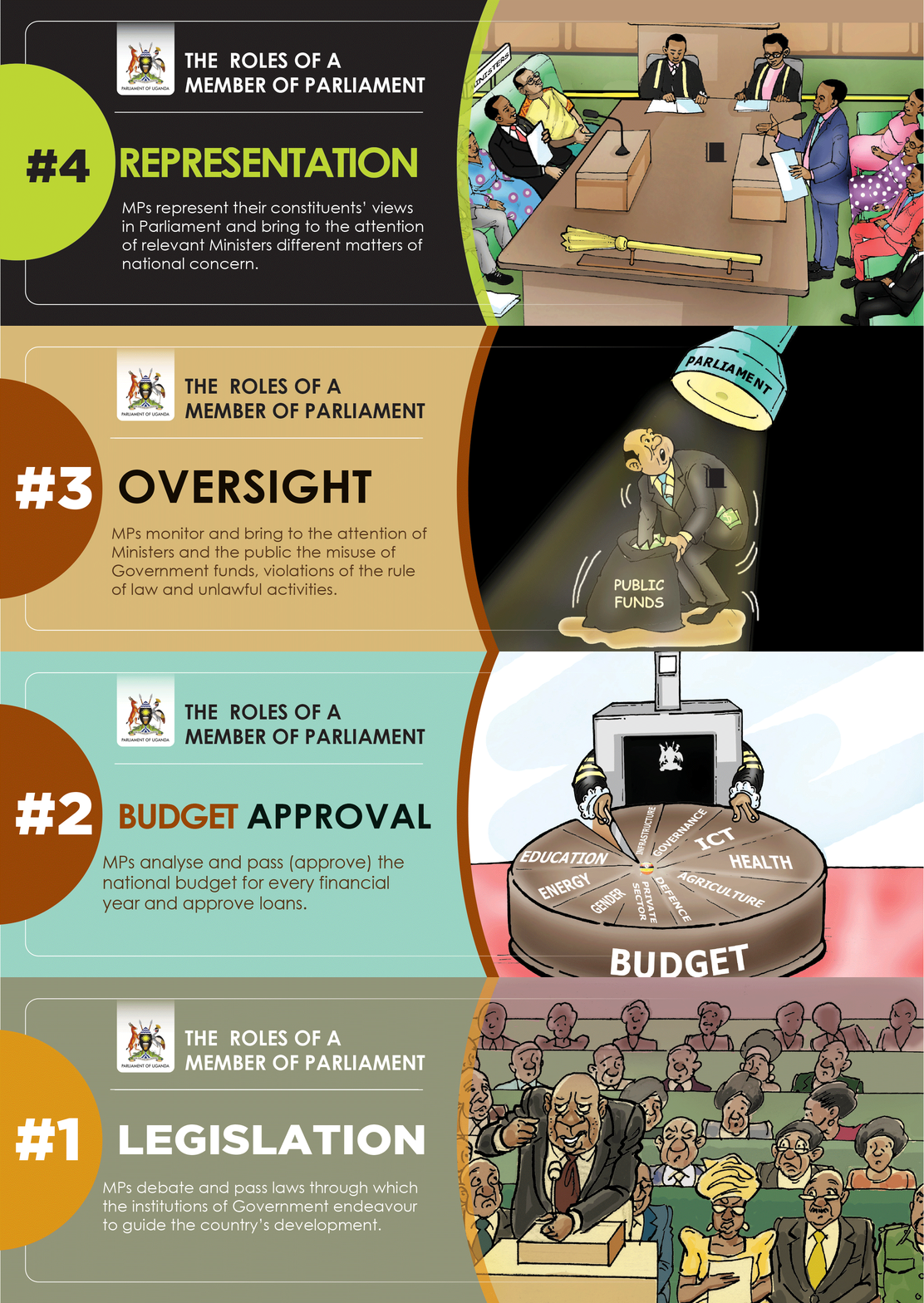
The Ministry of Finance, Planning and Economic Development should take a stronger oversight role over Uganda’s development finance institutions (DFIs) to ensure public funds generate measurable economic and social returns, a new National Planning Authority (NPA) evaluation has recommended. Examples of these include UDB, the Agricultural Credit Facility, Uganda Development Corporation, Microfinance Support Centre and the Uganda Agricultural Insurance Scheme.
The independent evaluation, released in May 2026, calls for the Ministry to establish consistent guidelines, performance measures and reporting requirements for development finance institutions while ensuring that their operations remain aligned with Uganda’s national development priorities.

The report says stronger coordination and oversight are necessary to improve the development impact of government-funded financing programmes and reduce duplication among institutions.

Ministry urged to establish common performance standards
The evaluation recommends that the Ministry of Finance set consistent guidelines and key performance measures to govern the performance of DFIs.
It says the Ministry should also enforce standardized reporting across the institutions to facilitate comparison, strengthen accountability and improve collaboration.

The report notes that implementing the proposed oversight framework would require the Ministry to have adequate staffing levels and develop specialized expertise to effectively supervise development finance institutions.
The stronger oversight role would cover institutions involved in government-supported development financing and ensure that their programmes contribute directly to the country’s development agenda.
Development impact targets proposed
The NPA evaluation recommends that government introduce time-bound development-impact key performance indicators as part of its capitalization framework for development finance institutions.
Before approving additional public investment, government should define the expected social, economic and environmental impact of the financing.
The proposed indicators could include targets for the number of jobs created for every billion shillings invested, export earnings generated and the contribution of funded projects towards Uganda’s development objectives.
The report says linking public capitalization to measurable outcomes would strengthen accountability and encourage development finance institutions to focus on tangible results rather than simply the volume of funds disbursed.
Government urged to improve data sharing
The evaluation also recommends that government establish anonymized data-sharing frameworks to support results-based oversight and policy learning.
Under the proposed system, development finance institutions would routinely share anonymized, non-personally identifiable customer-level data with designated government oversight institutions.
The report says such a framework would have to comply with data privacy laws while still providing government with sufficient information to monitor the performance and impact of public financing.
Institutionalizing data sharing, according to the evaluation, would improve transparency, strengthen coordination among development finance institutions and allow government to make better-informed policy decisions.
It would also enable authorities to assess whether public investments are achieving their intended development outcomes.
Borrower feedback could become mandatory
The NPA report further recommends that government make borrower feedback a requirement for accessing publicly funded financing programmes.
Loan agreements for government-financed programmes should contain clauses requiring beneficiaries to participate in follow-up exercises and provide information requested by development finance institutions or government agencies.
Borrowers should be informed during onboarding that, as beneficiaries of public resources, they are expected to provide feedback and updates when required.
The report proposes that borrowers who fail to respond to such requests could become ineligible for future access to government financing schemes.
According to the evaluation, the measure would improve the flow of information from beneficiaries to financing institutions and government, strengthening monitoring and accountability.
Independent evaluations every 3–5 years
The report recommends that independent evaluations led by the NPA and the Ministry of Finance be institutionalized every three to five years.
It says periodic assessments would provide an objective basis for evaluating the development effectiveness, financial sustainability and strategic relevance of public development finance institutions.
The evaluation points to the current assessment, commissioned by the Ministry of Finance and executed by NPA, as demonstrating the value of government-led independent reviews.
Regular evaluations would allow government to identify weaknesses, adjust strategies and ensure that public institutions remain aligned with national development priorities.
For Uganda Development Bank (UDB), the report says such reviews would help ensure that its operations remain aligned with Vision 2040 and NDP IV.
Stronger coordination across development finance institutions
The NPA evaluation also calls for greater collaboration among development finance institutions to improve programme coherence and outreach.
It recommends joint awareness campaigns, referral systems, knowledge sharing and benchmarking among institutions.
Such collaboration could allow institutions to direct beneficiaries to complementary services instead of operating in isolation.
The report gives examples of potential linkages involving UDB, the Agricultural Credit Facility, Uganda Development Corporation, Microfinance Support Centre and the Uganda Agricultural Insurance Scheme.
Through formal referral and co-financing arrangements, beneficiaries could access combinations of credit, insurance, business development and investment support.
The evaluation says such cooperation could reduce duplication, create cost savings and improve the collective effectiveness of Uganda’s development finance architecture.
The recommendations place the Ministry of Finance at the center of a proposed shift towards a more coordinated, results-based system in which government-backed financing is judged not only by how much money is disbursed, but by the jobs, incomes, exports, investment and wider economic transformation it generates. (For comments on this story, get back to us on 0705579994 [WhatsApp line], 0779411734 & 041 4674611 or email us at mulengeranews@gmail.com).