






By Ben Musanje
Uganda has discharged the last confirmed Ebola survivor after mobilizing about US$7.5 million (Shs27.6 billion) to finance the national response to the Bundibugyo Ebola Virus Disease (EVD) outbreak, marking a major milestone in efforts to eliminate the disease and beginning the mandatory 42-day countdown before the country can officially be declared Ebola-free.
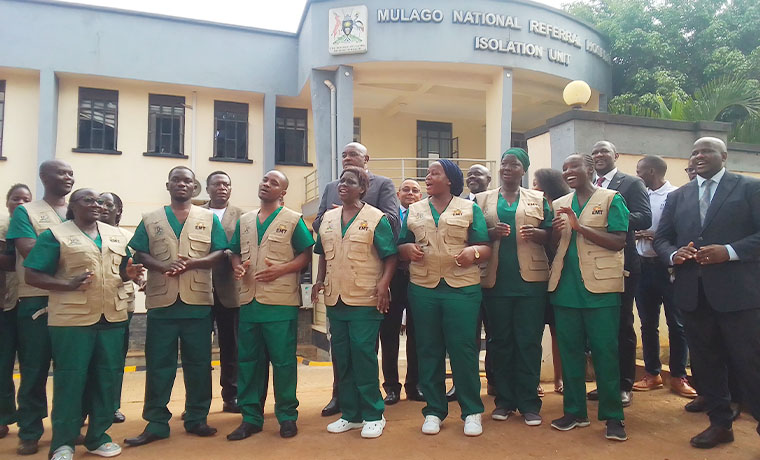
The final patient was discharged on Thursday from the Mulago National Isolation Centre at Mulago National Referral Hospital, exactly two months after the Ministry of Health declared the outbreak on May 15, 2026.
The milestone comes after a coordinated response involving government agencies, health workers, development partners, surveillance teams and communities, which helped Uganda contain the outbreak with a lower fatality rate compared to previous Ebola outbreaks.

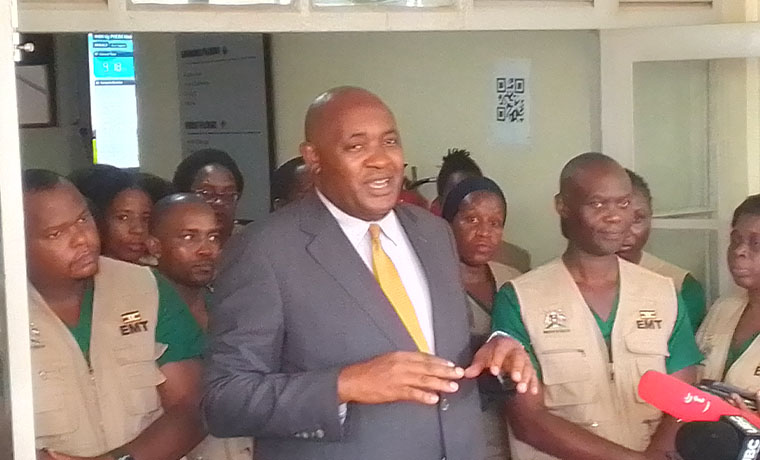
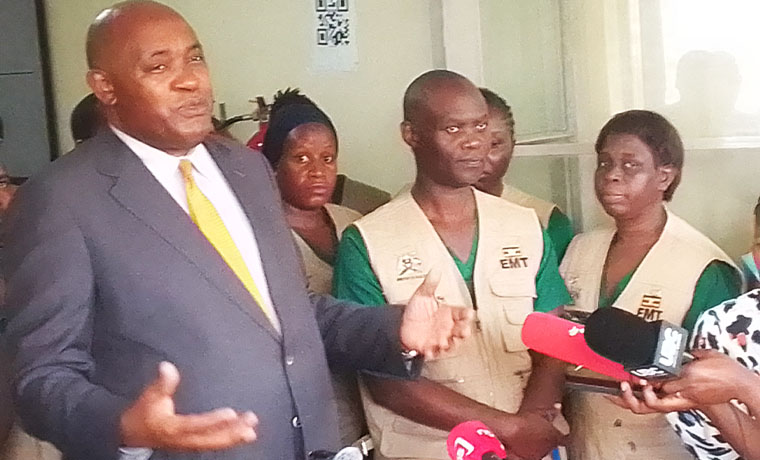
Speaking after the discharge ceremony, Ministry of Health Under Secretary Kenneth Akiri said the government moved quickly to finance the emergency response by developing a three-month response plan aimed at supporting critical interventions to bring the outbreak under control.
Akiri said the Government of Uganda initially mobilized about US$5.5 million (Shs20.2 billion) to support the implementation of the response plan before additional resources were secured.
“As we talk right now, it is in the tune of US$7.5 million (Shs27.6 billion) that has so far been mobilized by the Government of Uganda,” Akiri said.
He explained that the response was supported through a joint effort between the government and development partners, with contributions not only in finances but also through human resources, medical supplies, logistics and technical support.

Akiri said the Ministry was still conducting a detailed financial review to establish exactly how much of the money had been spent during the response.
“Resources require accuracy. We need to go back and review so that we can speak with certainty about how much has been spent,” he said.
He appealed to health partners to continue supporting Uganda’s preparedness and response efforts, warning that the country remains at risk due to the ongoing Ebola outbreak in neighbouring Democratic Republic of Congo.
“Unless the risk is dealt with on the other side, then we are not safe as a country,” Akiri said.
Health Minister Dr. Chris Baryomunsi described the discharge of the last survivor as a moment of celebration, saying Uganda’s response demonstrated that Ebola can be defeated through preparedness, early detection and effective management.
“We declared the outbreak on the 15th of May this year. Today is the 16th of July, and it is two months since we declared the outbreak. We are now celebrating the discharge of the last patient,” Baryomunsi said.
According to the Minister, Uganda recorded 20 confirmed Ebola cases during the outbreak. Of these, 18 patients recovered while two died, resulting in a case fatality rate of about 10 percent.
Baryomunsi said the outcome was a reflection of early reporting by patients, rapid response and the competence of health workers involved in managing Ebola cases.
“This is not by accident. It means that if you have symptoms and report early, especially when you are managed by a competent team, your condition can improve,” he said.
The Minister noted that the fatality rate recorded during the outbreak was significantly lower than the more than 30 percent commonly associated with the Bundibugyo Ebola strain.
With the discharge of the final survivor, Uganda has started the mandatory 42-day countdown required before the country can officially declare the outbreak over. The countdown will only be completed if no new confirmed cases are detected during the monitoring period.
At the Mulago Ebola Treatment Unit, the Head of the Emergency Medical Team, Dr. David Kaggwa, said the facility admitted all 20 confirmed Ebola patients during the outbreak, with most infections linked to imported cases.
He said that although there is currently no approved specific treatment for Bundibugyo Ebola Virus Disease, patients received intensive supportive care alongside experimental medicines, which contributed to improved recovery outcomes.
The treatment unit also managed 160 suspected Ebola cases, all of whom were isolated and handled under strict infection prevention and control measures to prevent further transmission.
The newly appointed World Health Organization (WHO) Country Representative to Uganda, Dr. Kasonde Mwinga, attributed the successful response to investments made before the outbreak occurred.
She said emergency medical teams had already been trained and equipped, while the government had pre-positioned supplies at the National Medical Stores, allowing critical materials to be deployed quickly once the outbreak was confirmed.
“Preparedness saves lives,” Dr. Mwinga said.
She noted that Uganda’s case fatality rate of below 10 percent was among the lowest recorded in Ebola outbreaks, saying the achievement resulted from deliberate investments in preparedness rather than chance.
“It is not by luck; it is not by chance. It is because people invested in preparedness, and that is why we are able to get results which are this good,” she said.
Dr. Baryomunsi commended health workers, surveillance teams, district leaders, security agencies, communities and development partners, including WHO, UNICEF and other organizations, for supporting laboratory testing, case management, logistics, surveillance, risk communication and community engagement.
He said that following guidance from President Yoweri Kaguta Museveni, the government strengthened border surveillance, introduced screening at official entry points, intensified contact tracing and expanded public awareness campaigns.
The Minister said these measures were particularly important during major national events, including the Uganda Martyrs Day celebrations on June 3, which attracted thousands of pilgrims from Uganda and neighbouring countries, especially the Democratic Republic of Congo.
Enhanced screening and surveillance measures were introduced to protect pilgrims and ensure the celebrations proceeded safely without causing further spread of Ebola.
Baryomunsi also revealed that no health worker at the Mulago Ebola Treatment Unit contracted Ebola during the response, attributing this to strict infection prevention and control measures and proper use of personal protective equipment.
Despite the progress, the Minister warned that Uganda remains vulnerable because of the ongoing Ebola outbreak in the Democratic Republic of Congo, where more than 2,000 cases and over 700 deaths have been reported.
He urged the public to remain vigilant, promptly report suspected Ebola cases and continue observing public health guidance until Uganda completes the 42-day monitoring period and is officially declared free of the Bundibugyo Ebola Virus Disease outbreak.