







By Guest Writer
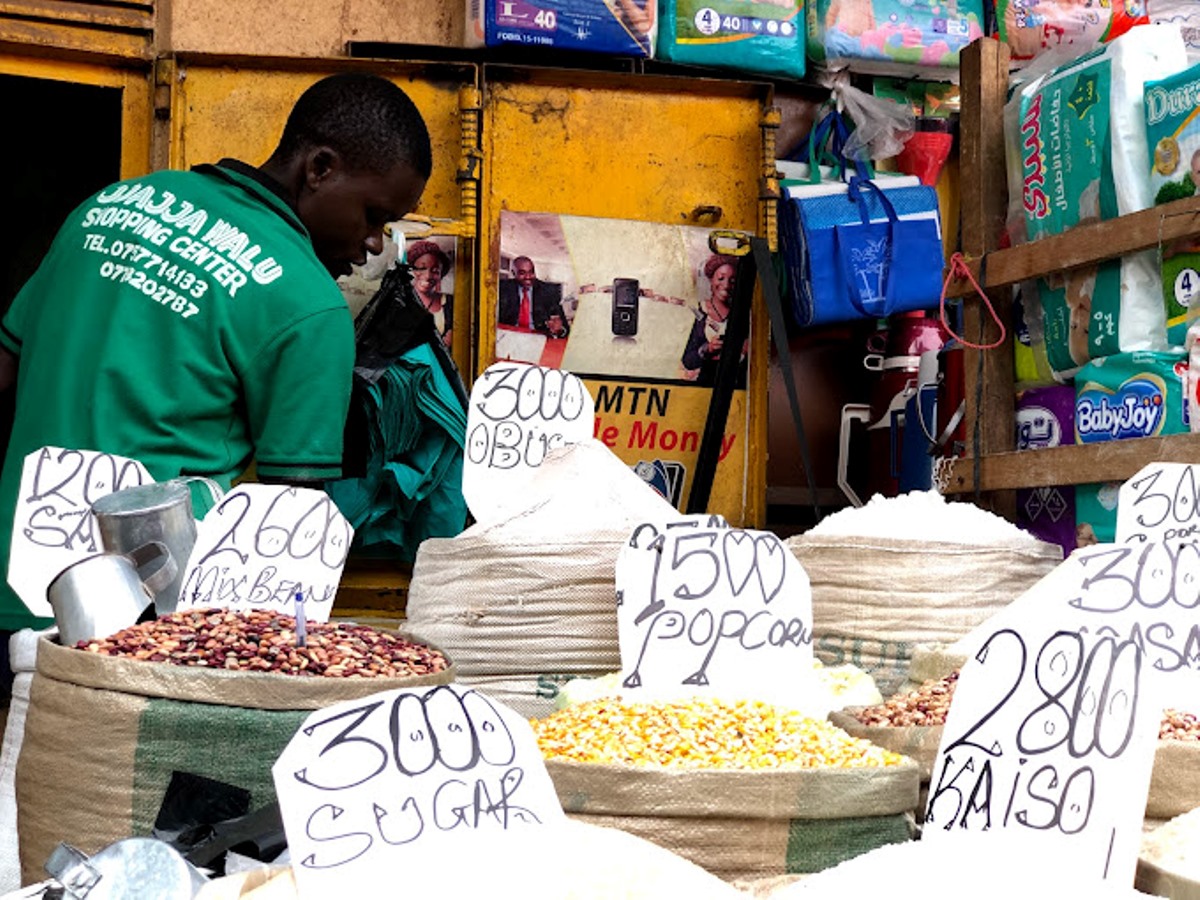
Habitat for Humanity Uganda (HFHU), in partnership with the Kampala Capital City Authority (KCCA), has launched an initiative to improve sanitation facilities at Owino Market, one of Uganda’s largest and busiest commercial hubs. Owino Market serves an estimated 80,000 traders, vendors, and customers daily. Despite this high volume of users, the market currently has only two toilet blocks comprising 40 stances in total. This means that each toilet stance serves more than 2,000 people, placing immense pressure on the available sanitation infrastructure and creating significant public health risks.
According to Henry Kaula, the Public Health and WASH Manager at KCCA, the existing facilities are overwhelmed by demand. “More than 80,000 people rely on these sanitation facilities every day. The pressure on the existing infrastructure is enormous, creating challenges for hygiene, maintenance, and public health,” he said. In addition to being insufficient for the market’s population, the toilet facilities have deteriorated over time and urgently need rehabilitation. Poor sanitation conditions increase the risk of disease transmission and negatively affect the health, dignity, and productivity of traders and market users.
To address this challenge, HFHU, through its Home Equals Campaign supported by Habitat for Humanity International, is investing in the rehabilitation of the market’s sanitation facilities. The project will renovate one toilet facility comprising 20 toilet stances, including 10 designated for women and 10 for men, improving accessibility, safety, and hygiene for market users. The construction firm MoseNax Ltd has been contracted to undertake the renovation works, which are expected to be completed within 45 working days.

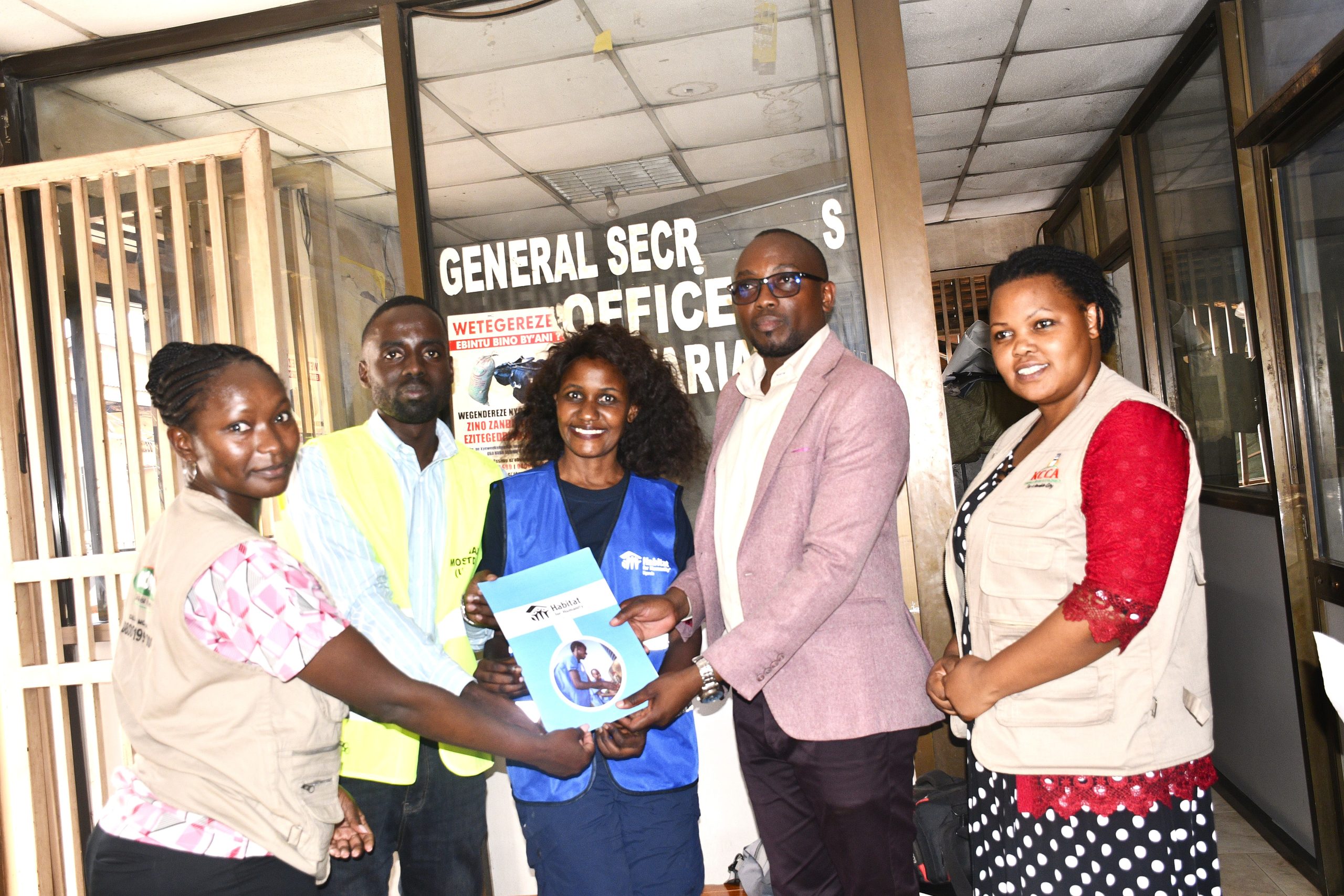
Speaking during the official site handover, Kaula commended Habitat for Humanity Uganda for supporting efforts to improve essential public services. “As you can see, these facilities are in a severely deteriorated state. KCCA recognises the urgent need for improved sanitation infrastructure, but limited resources have constrained our ability to expand or rehabilitate these facilities. Government funding is largely directed towards operational costs. Partnerships such as this one with HFHU are, therefore, critical in helping us improve service delivery for the communities we serve,” he noted.

The rehabilitation works will also include installing handwashing facilities and a dedicated water storage system to promote proper hygiene practices among users. According to Daphne Mandhawun, WASH Specialist at Habitat for Humanity Uganda, the project reflects the organisation’s commitment to advancing equitable access to safe water, sanitation, and hygiene services in underserved urban communities.
“Access to safe, clean, and dignified sanitation is a fundamental human right. Through this intervention, we aim not only to improve the condition of the facilities but also to enhance the health, safety, and well-being of the thousands of people who depend on Owino Market every day,” she said.
While the renovation will significantly improve existing services, stakeholders acknowledge that additional investments are needed to meet the growing sanitation demands of the market. Given the large number of daily users, the construction of additional toilet facilities and continued investment in urban sanitation infrastructure will be essential to ensuring sustainable, long-term improvements. The intervention demonstrates the value of collaborative partnerships between local government and development organisations in addressing critical urban service delivery challenges and improving the quality of life for vulnerable populations. (For comments on this story, get back to us on 0705579994 [WhatsApp line], 0779411734 & 041 4674611 or email us at mulengeranews@gmail.com).