

![NO ONE HAS THE POWER TO FIRE HIM! Ex-Omuhikirwa [Who Fought M7 in 2016] Dares Tooro Clan Leaders Over Rwomiire Sacking, Says Only King Oyo Could Fire Him](https://mulengeranews.com/wp-content/uploads/2026/09/Steven-Kaliba-Ateenyi-75x75.jpg)







By Ben Musanje
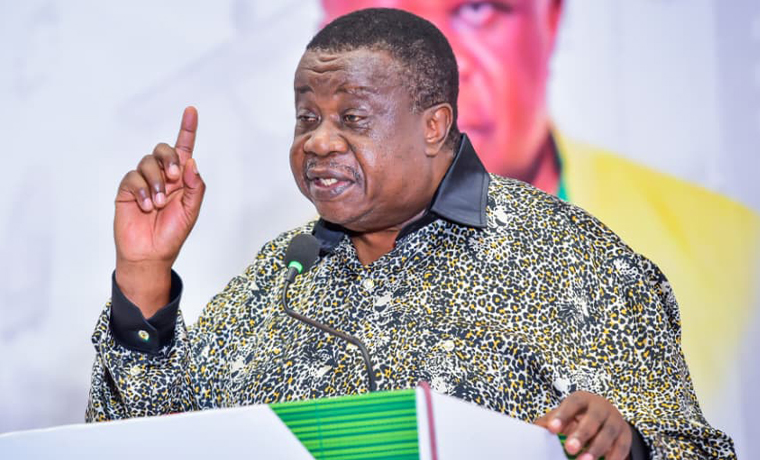
Minister for Water and Environment Kahinda Otafiire has expressed concern that parts of Uganda, particularly Karamoja, continue to suffer from water shortages more than six decades after independence, describing the situation as unacceptable and a national shame.
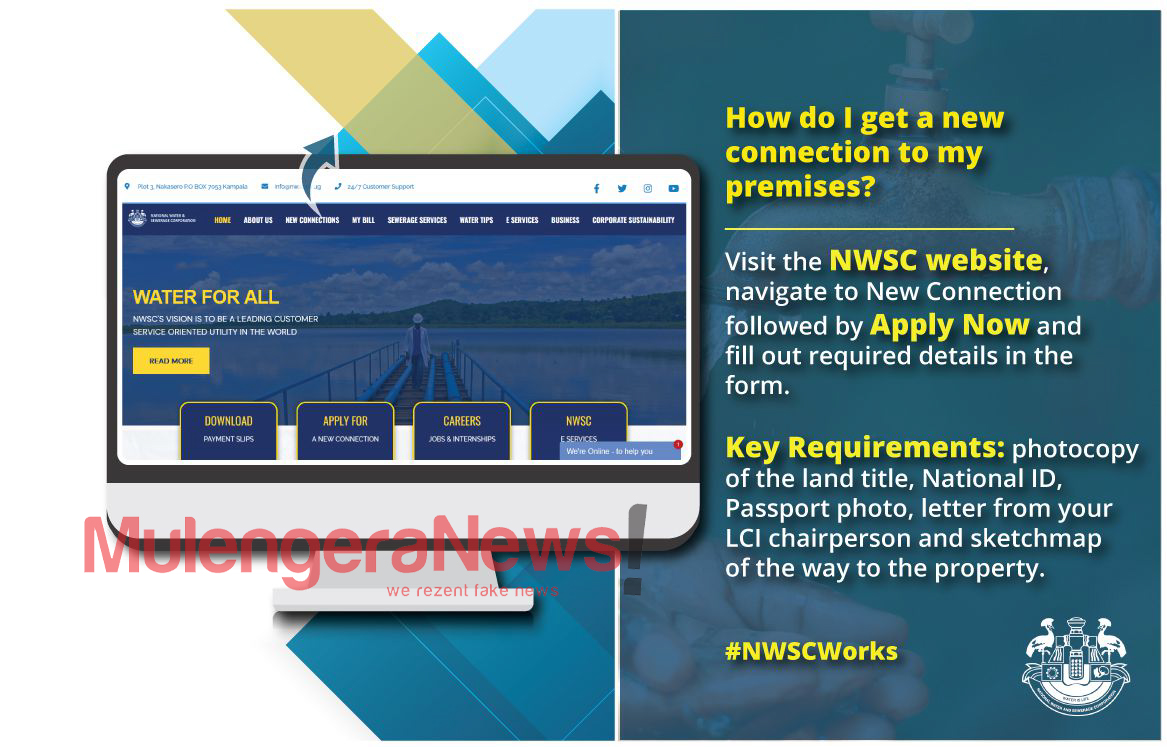
Addressing ministry officials during his inaugural meeting at the ministry headquarters in Luzira, Otafiire tasked the National Water and Sewerage Corporation (NWSC) and officials responsible for water development to prioritize solutions that guarantee reliable water access in underserved areas.
“It’s a shame that 60 years after independence, Karamoja, Karamojong still wander around looking for water. It’s a shame,” Otafiire said.

The minister argued that Uganda should not be experiencing persistent water shortages given its natural resources and favorable climate.
“It’s a shame that we still have a shortage in Uganda,” he added.
Otafiire contrasted Uganda’s situation with countries in arid regions that have successfully invested in water infrastructure and food production.
“It’s a shame when the Israelis and the Arabs who live in the desert where there is no water feed themselves and here in Uganda we are starving,” he said.

He called for accelerated investment in water storage, transfer and distribution systems capable of supporting communities and agricultural production, particularly in drought-prone areas.
“Lift the water, put it on a high mountain, then tell agriculture to spread it throughout Karamoja,” he directed.
The minister linked water access to food security and national development, arguing that Uganda’s sovereignty and prosperity depend on its ability to feed its population.
“Poor people cannot be sovereign. Sovereignty is the result of capacity to feed yourself,” he said.
He emphasized that poverty weakens people’s ability to manage their own affairs and urged ministry officials to focus on ensuring natural resources contribute directly to household incomes and national productivity.
“You who have accepted to work for the population of Uganda, it’s your responsibility to ensure that every Ugandan has money in his or her pocket,” he said.
Otafiire also criticized continued dependence on rainfall despite recurring droughts.
“This business of depending on God that He will provide rain, excuse me, occasionally He goes on leave and there is drought,” he remarked.
He added that Uganda should have developed stronger drought preparedness systems by now.
“And 60 years after independence, we can’t prepare for drought. You find people starving in Karamoja, you find people starving in Teso,” he said.
The minister further turned his attention to the financial challenges affecting the National Water and Sewerage Corporation, blaming part of the problem on unpaid bills by government entities.
He said institutions consuming water must pay for the services they receive.
“These government departments which don’t pay. If you don’t pay, you don’t eat,” Otafiire said.
He directed that government agencies failing to clear water bills should face disconnection.
“Everybody must pay. Police, you tell your bosses you must pay. Prisons, you must pay,” he said.
According to Otafiire, failure by government institutions to meet their obligations undermines the ability of NWSC to maintain water supply services.
“Let’s facilitate him so that he becomes accountable. You come and tell me we want water, but then you don’t pay,” he said.
The minister pledged to work with the corporation to improve service delivery but insisted that all users, including public institutions, must meet their financial responsibilities. (For comments on this story, get back to us on 0705579994 [WhatsApp line], 0779411734 & 041 4674611 or email us at mulengeranews@gmail.com).



![NO ONE HAS THE POWER TO FIRE HIM! Ex-Omuhikirwa [Who Fought M7 in 2016] Dares Tooro Clan Leaders Over Rwomiire Sacking, Says Only King Oyo Could Fire Him](https://mulengeranews.com/wp-content/uploads/2026/09/Steven-Kaliba-Ateenyi-350x250.jpg)