







By Mulengera Reporters
Over the years, Jian Namuhenge spent about Shs 80,000 every month on charcoal. Like millions of Ugandans, she relied on a traditional charcoal stove for daily cooking, unaware that a more efficient and affordable alternative existed.
Today, that same sack of charcoal lasts her almost three months. The difference is not an increase in income or a lifestyle change, but a shift in technology.
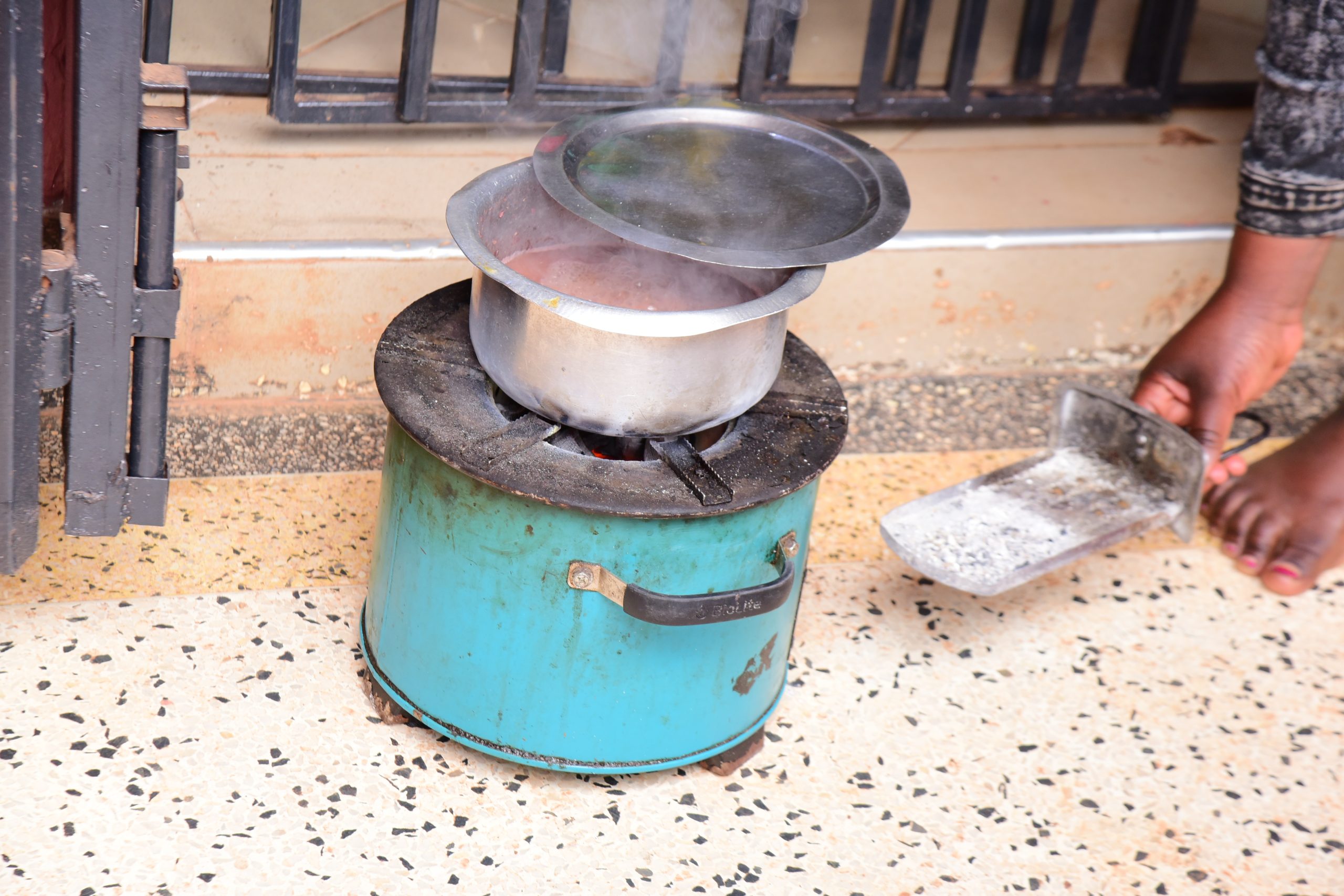
“With the traditional stove, I used to buy a sack of charcoal at about Shs 80,000, and it would last only one month,” Namuhenge says. “But with the eco-stove, the same sack can last up to three months.”

For her household, the savings have been significant.

“I am now able to save money and use it for other family needs. The stove is easy to light and has a fan that keeps the fire burning. It feels almost like cooking on gas because I can control the heat.”
Namuhenge is among thousands of Ugandans benefiting from a growing clean cooking movement led by Detra Energy and Environmental Contractors Limited, a young company working to address Uganda’s energy challenges through innovation and partnerships.
Founded in 2022, Detra Energy operates across renewable energy, waste management, water and sanitation, environmental compliance, eco-friendly construction, and capacity building. Clean cooking, however, has become one of its most impactful interventions.

Uganda remains heavily dependent on charcoal and firewood, a trend that drives deforestation, environmental degradation, and household air pollution. In response, Detra introduced energy-efficient cookstoves and electric cooking solutions designed to reduce fuel use and improve safety.
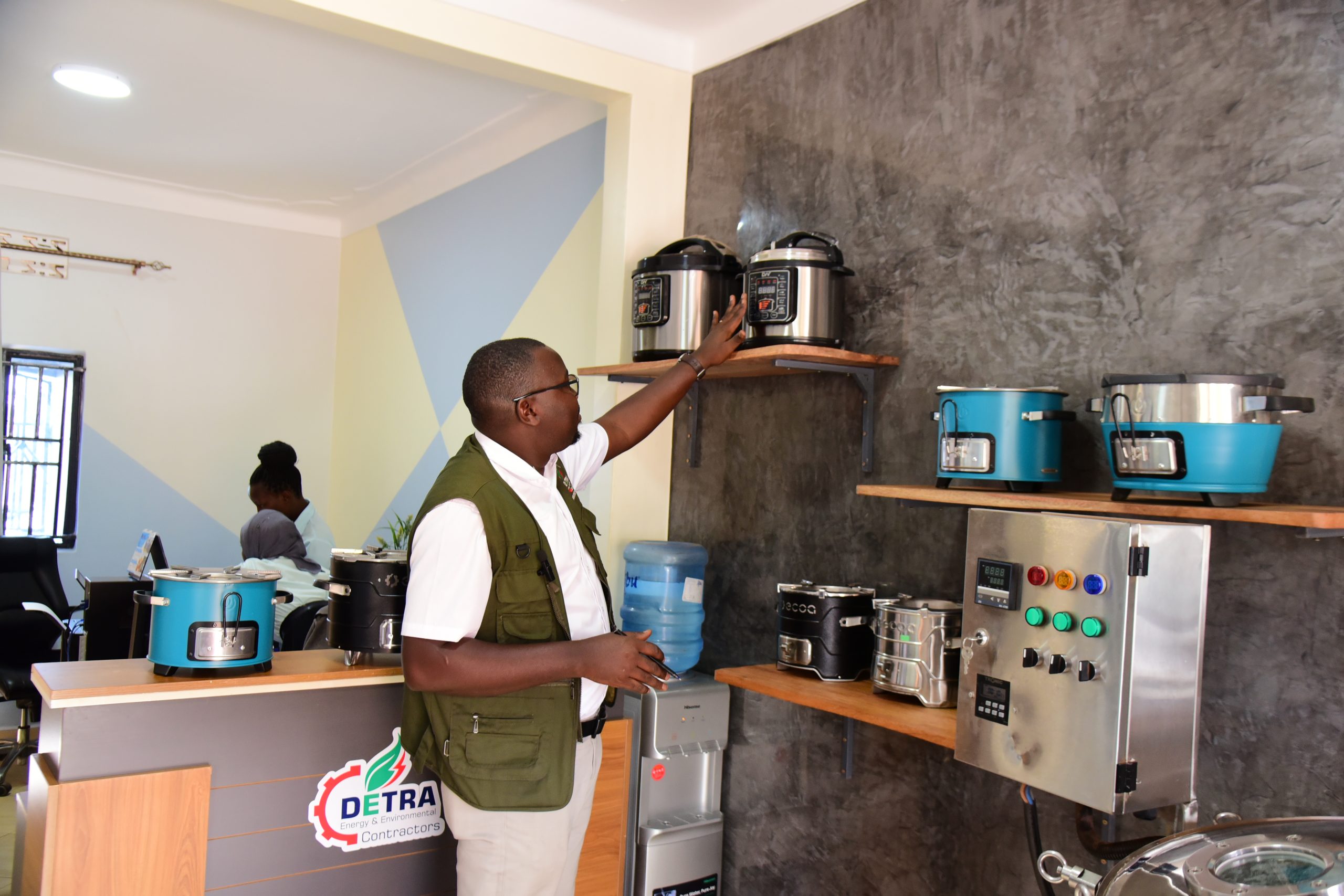
Its product range includes the Digiwave Electric Pressure Cooker series, Biolite Jiko Safi, Biolite Jiko Malkia, Ecoa Char Grill, Ecoa Char Plus, Ecoa Char Pro, and Ecoa Char Classic.
Despite rising demand, affordability remained a major barrier for many households. That changed in 2024.
Detra Energy partnered with Equity Bank Uganda and EnDev GIZ under a Results-Based Financing (RBF) programme aimed at expanding access to clean cooking technologies.
The programme introduced subsidies that significantly reduced purchase costs. Products that previously sold at about UGX 140,000 dropped to much lower prices.
Households in refugee and host communities now buy the stoves for about UGX 70,000, while other consumers access them for as low as UGX 60,000.
“Many Ugandans want solar systems, clean cook stoves, and renewable energy solutions, but the initial costs remain too high,” says Virginia Semakula, Equity Bank Energy, Environment and Climate Change Pillar Head. “Through results-based financing, we are enabling communities to access these technologies.”
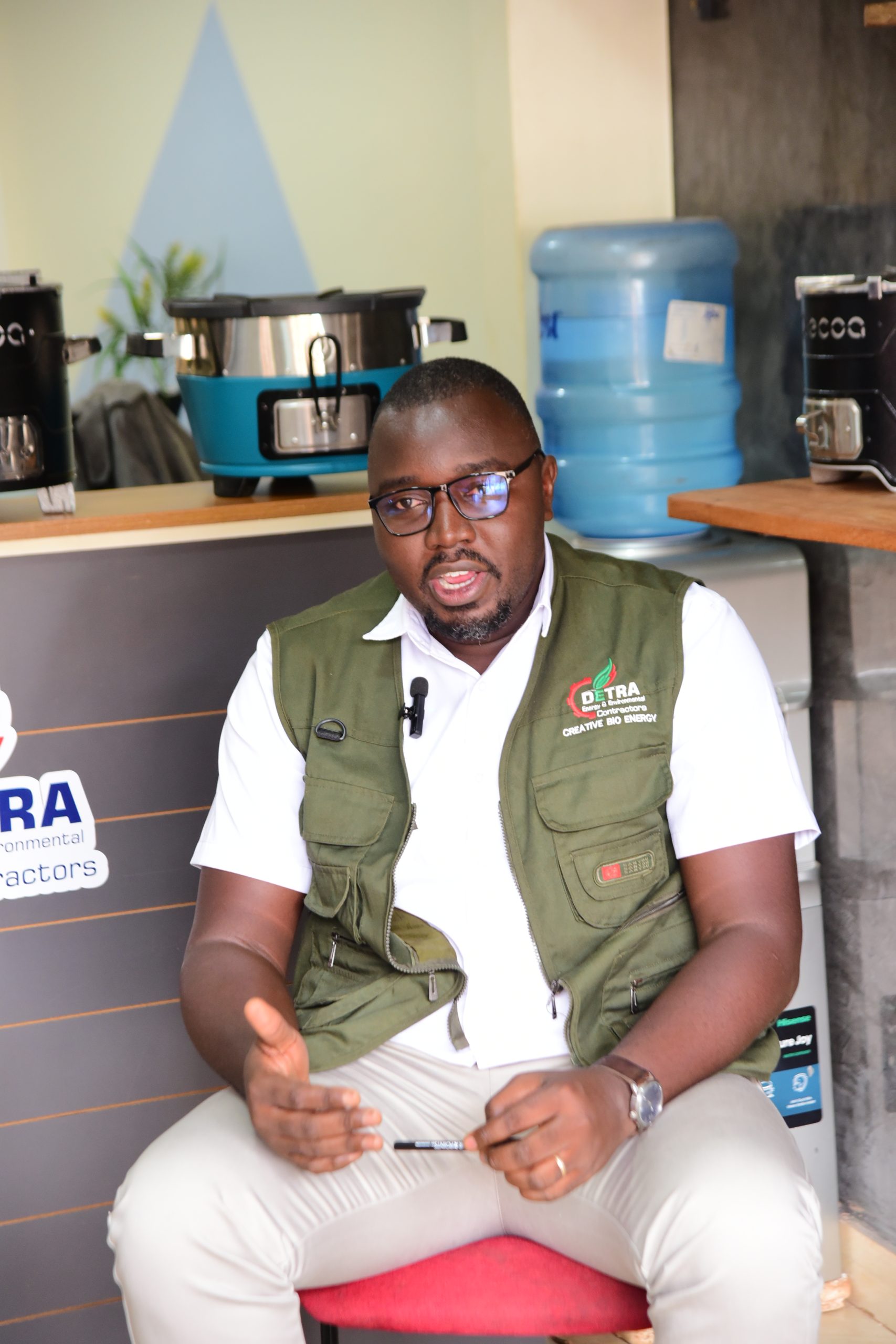
According to Detra Energy Director David Ucha, the partnership has accelerated adoption and strengthened the company’s growth.
“Even though we had only been operating in the clean cooking sector for a few years, Equity Bank Uganda and GIZ trusted us as a partner,” he says. “This has helped us reach more people, build credibility, and scale our operations.”
The impact goes beyond affordability. The new cookstoves consume less charcoal, produce less smoke, and reduce household fuel expenses significantly.
For families like Namuhenge’s, that means savings that can be redirected to education, healthcare, and other needs.
At a national level, reduced charcoal consumption also helps ease pressure on Uganda’s forests, which continue to face high levels of deforestation.
Detra Energy is now expanding into institutional cooking solutions, including the Jiko-Kul, a high-capacity pressure cooker designed for schools and hospitals.
The system uses oil-based heat retention and electric coils, allowing food to continue cooking even after power is switched off.
It addresses challenges of unreliable electricity while cutting cooking time and energy costs for institutions.
Although still a young company, Detra Energy is emerging as a key player in Uganda’s clean energy transition. Its growth highlights the role of strategic partnerships and innovative financing in expanding access to sustainable technologies.
For households, the impact is lower fuel costs and improved cooking experiences. For companies like Detra, Results-Based Financing provides the support needed to scale.
For Uganda, it supports broader goals of energy access, environmental protection, and climate resilience.
As demand for cleaner cooking grows, Detra Energy’s journey shows what is possible when innovation, affordability, and partnership align.
For thousands of households, the transition has already begun—one stove at a time. (For comments on this story, get back to us on 0705579994 [WhatsApp line], 0779411734 & 041 4674611 or email us at mulengeranews@gmail.com).