






By Ben Musanje
The Ministry of ICT and National Guidance has challenged its newly appointed political leadership to confront persistent gaps in digital connectivity, cybersecurity, government communication and digital inclusion while building on the sector’s notable achievements recorded over the past five years.
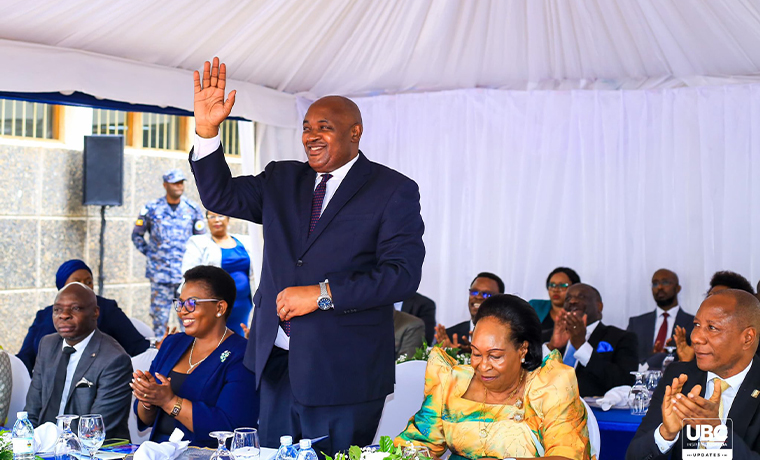
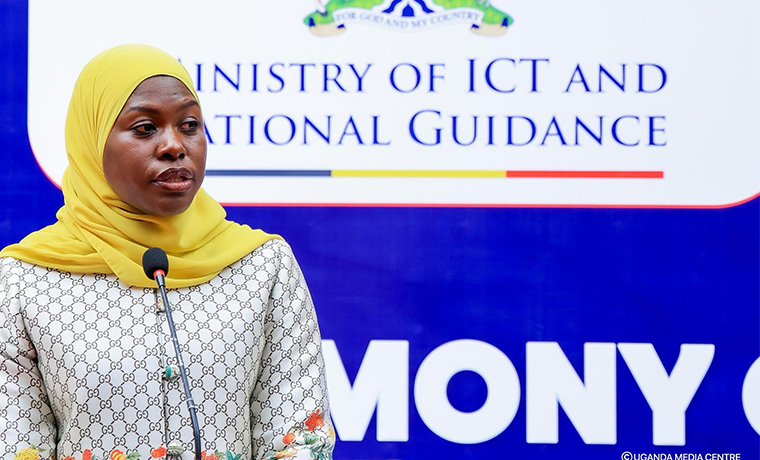
Speaking during the official handover ceremony for incoming and outgoing ministers at the ministry headquarters, Permanent Secretary Dr. Aminah Zawedde said Uganda’s digital transformation agenda had registered considerable progress but still faced critical challenges that required focused leadership and sustained investment.
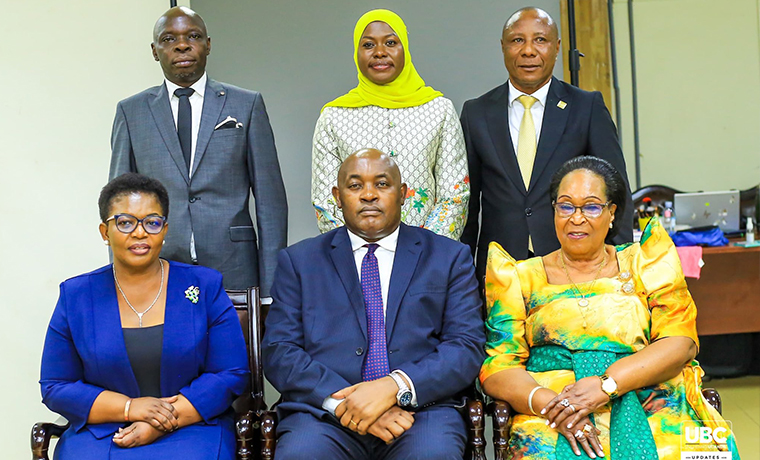
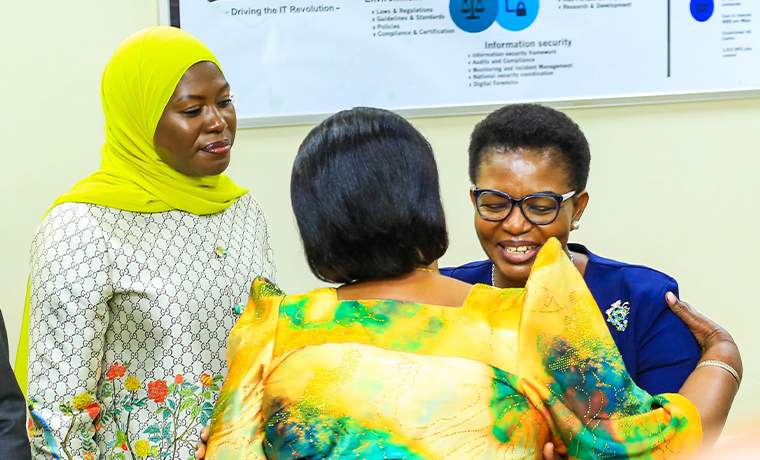
The ceremony marked the transition from the outgoing ministerial team led by Dr. Chris Baryomunsi, alongside former State Ministers Joyce Nabbosa Ssebugwawo and Godfrey Kabbyanga Baluku, to the new leadership team headed by Minister Justine Kasule Lumumba, State Minister Alione Yorke Odria and the returning State Minister for ICT, Joyce Nabbosa Ssebugwawo.

Dr. Zawedde noted that despite rapid growth in digital services and infrastructure, large sections of the population remained outside the digital economy, underscoring the need for expanded access to affordable internet and digital technologies.

She said that although the ministry was celebrating significant progress, considerable work still lay ahead in expanding digital infrastructure to underserved areas, strengthening cybersecurity, enhancing data protection and improving service delivery across government.
According to the Permanent Secretary, Uganda had witnessed significant growth in internet and smartphone penetration, but millions of citizens remained disconnected from digital services.
The country currently has more than 47 million active mobile subscriptions and over 20 million smartphones connected to mobile networks. However, only about 18 million people are actively connected to the internet, leaving a substantial portion of Uganda’s population yet to fully benefit from opportunities created by digital transformation.

She emphasized that bridging this digital divide remained one of the ministry’s most urgent priorities.
Another pressing concern raised during the handover was cybersecurity and the need to build trust in digital platforms. As government increasingly shifts public services online, secure systems and robust data protection mechanisms have become critical to ensuring citizen confidence and safeguarding sensitive information.
The ministry also identified effective government communication and national guidance as areas requiring continued attention. Dr. Zawedde observed that citizens increasingly demanded accurate information, positive national visibility and responsive communication from government institutions.
With the recent appointment of new leadership at the Uganda Media Centre, she expressed optimism that the coordination and quality of government communication would continue improving.
She noted that citizens were increasingly calling for positive publicity about Uganda, wider connectivity and secure, trusted digital platforms capable of supporting modern service delivery.
The Permanent Secretary further challenged the incoming ministers to accelerate implementation of policies aimed at creating jobs through technology, particularly within the growing business process outsourcing (BPO) sector.
Uganda has been positioning itself as a competitive destination for outsourcing services, but Dr. Zawedde said additional efforts were needed to attract investment, expand digital skills and create employment opportunities for the country’s youthful population.
Despite the challenges ahead, the ministry used the occasion to celebrate several milestones achieved under the outgoing leadership.
Dr. Zawedde credited former ICT Minister Dr. Chris Baryomunsi and his team for providing strategic leadership that enabled significant expansion of digital infrastructure, growth of e-government services, promotion of innovation and advancement of digital skills development.
Among the ministry’s key achievements is the expansion of the National Backbone Infrastructure, with government extending fiber optic connectivity to more than 5,200 kilometres across the country. The infrastructure has connected over 1,600 government sites, helping ministries, departments, agencies and local governments reduce connectivity costs while improving efficiency in service delivery.
The ministry has also played a central role in implementing Uganda’s Digital Transformation Roadmap, launched in 2023, which serves as the blueprint for modernizing public services and integrating technology into national development.
Significant strides have also been made in digitizing government programmes. Dr. Zawedde highlighted the Parish Development Management Information System (PDMIS), which is now operational in all 10,594 parishes across Uganda. The system supports implementation and monitoring of the Parish Development Model, one of government’s flagship programmes aimed at improving household incomes and transitioning communities from subsistence to commercial production.
Investment in innovation and digital skills development was another major achievement highlighted during the ceremony. Through the Uganda Institute of Information and Communications Technology (UICT) and the National ICT Innovation Hub, government has established regional innovation centres across the country.
These centres are located in institutions such as Muni University, Soroti University, Kabale University, Mountains of the Moon University and Busitema University, with plans to establish additional hubs in the coming years. The facilities are intended to nurture local innovation, entrepreneurship and technology-based solutions tailored to Uganda’s development needs.
Dr. Zawedde also praised the ministry’s efforts in promoting inclusive participation in the digital economy, particularly among young people and women. She said government remained committed to supporting local innovators and entrepreneurs while creating pathways for employment through technology-driven industries.
One of the most significant achievements announced during the ceremony was Uganda’s improved global standing in business process outsourcing. The country was recently ranked the 24th most competitive outsourcing destination globally in the 2026 Global Outsourcing Talent Index.
Dr. Zawedde said the ranking reflected growing international confidence in Uganda’s skilled workforce, expanding digital infrastructure and improving business environment. She nevertheless challenged the incoming ministers to build on the achievement by pursuing even more ambitious targets.
She said the ministry had set its sights on moving Uganda from 24th position into the top ten and eventually among the world’s top five outsourcing destinations through the implementation of various strategies already in place.
As she concluded her remarks, the Permanent Secretary thanked the outgoing ministers for their service and welcomed the new leadership, assuring them of the support of the ministry’s technical staff and affiliated agencies.
She urged ministry officials and agency heads to renew their commitment to service delivery, teamwork, innovation and professionalism as Uganda enters the next phase of its digital transformation journey.
Referring to a famous observation by Nelson Mandela that great achievements often appear impossible until they are realized, Dr. Zawedde said Uganda’s digital transformation journey demonstrated what could be achieved through vision, commitment and collaboration.
The ceremony ended with renewed optimism that the ministry’s new leadership would build on existing successes while addressing the challenges that remain in ensuring every Ugandan benefits from the opportunities created by technology. (For comments on this story, get back to us on 0705579994 [WhatsApp line], 0779411734 & 041 4674611 or email us at mulengeranews@gmail.com).