






By Aggrey Baba
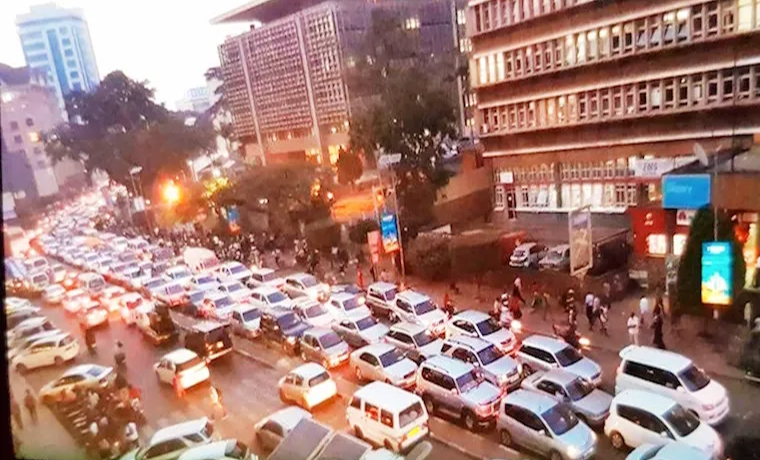
For years, Uganda’s capital city (Kampala)’s notorious traffic jams have been a daily source of frustration for many dwellers and commuters, with journeys that should take minutes always stretching into hours. However, a new government-backed electric bus programme is raising hopes that relief could finally be found.
With plans to deploy 300 Kiira Motors manufactured electric buses by 2027, government officials planers believe the initiative could mark the beginning of a major transformation in city transport, offering a cleaner, cheaper and more organised alternative to the overcrowded road of Kampala.
The programme comes at a time when Kampala is grappling with mounting traffic jams driven by rapid urbanisation and a growing population. Every day, thousands of residents travel into the city from surrounding areas such as Wakiso, Mukono and Mpigi, placing enormous pressure on existing transport infrastructure.
It’s now believed that the electric buses are intended to not only improve mobility but also to reduce transport costs and lower the country’s dependence on imported fuel.

The rollout follows a pilot phase in Jinja City, Busoga sub-region, where the buses have already transported hundreds of thousands of passengers, results which have pushed government to expand the project to Kampala, with authorities viewing the capital city as the ultimate test of the system’s ability to improve public transport.

The electric buses operate using a cashless (including mobile money) payment system, with fares calculated according to distance travelled. Project managers say the lower operating costs associated with electric mobility could translate into more affordable transport for passengers compared to fuel-powered vehicles.
The buses are expected to bring greater comfort and convenience to travelers, as features such as air conditioning, Wi-Fi connectivity, modern safety systems and improved suspension are aimed at creating a more reliable public transport experience.
The initiative is also being presented as part of a broader solution to some of Kampala’s most pressing challenges. Traffic jam has long been blamed for lost productivity, wasted fuel and rising transport costs, with studies estimating that billions of money are lost daily as vehicles spend hours crawling through congested roads.

While transport experts acknowledge that buses alone will not eliminate traffic jams, many view the project as an important step towards developing a modern mass transit system capable of moving more people efficiently.
The government is simultaneously expanding the infrastructure needed to support electric mobility, with charging stations being and (or) already installed in key areas cross the country, while more charging facilities are expected to come as the fleet grows. (For comments on this story, get back to us on 0705579994 [WhatsApp line], 0779411734 & 041 4674611 or email us at mulengeranews@gmail.com).