






By Ben Musanje
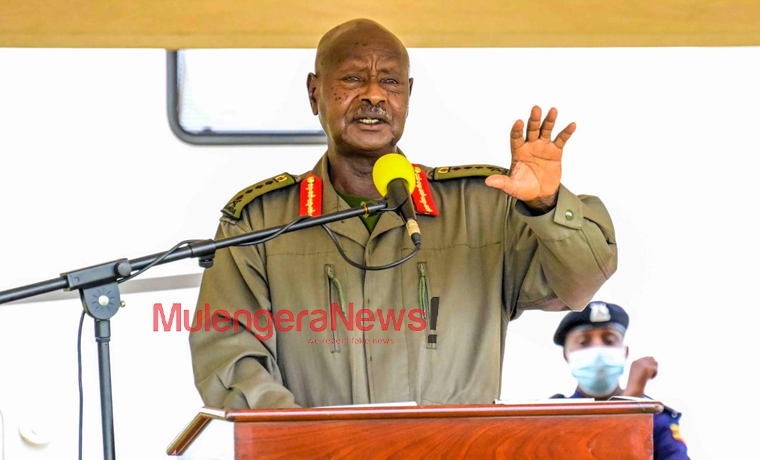
President Yoweri Museveni has dismissed widespread claims that a proposed Sovereignty Bill will restrict foreign direct investment, remittances, and external funding to religious institutions, describing such assertions as “noise” and a misrepresentation of the government’s intentions.
In a statement addressed to Ugandans, particularly the Bazzukulu, Museveni said the bill under discussion has been misunderstood and distorted in public debate. “That is not the Bill I initiated,” he emphasized, rejecting allegations that it seeks to limit financial flows into or out of Uganda.
According to the president, the proposed legislation is focused narrowly on safeguarding Uganda’s independence in policy decision-making. He framed the initiative within the broader historical struggle for African sovereignty, referencing the continent’s fight against colonialism and external domination.

Museveni noted that sovereignty, as envisioned in the bill, relates to Uganda’s ability to independently determine its political, social, economic, and diplomatic policies without undue foreign influence. He cited examples such as decisions on governance structures, social values, economic strategies like privatization, and foreign policy positions.
“Sovereignty means: leave us alone so that we make our own decisions,” Museveni stated, warning against foreign entities funding local groups to sway national policy. He argued that such interference undermines democratic processes enshrined in Uganda’s Constitution, including elections and referenda.
The president was categorical that Uganda will maintain its open economic system. He reaffirmed that the country will continue to allow the free movement of capital, including remittances from Ugandans abroad, foreign investments, and donations to religious institutions. “We run a free economy,” he said, adding that privately operated foreign exchange markets remain central to Uganda’s economic resilience.
Museveni credited this economic openness with sustaining growth despite challenges such as corruption and inefficiencies in public service. He argued that private sector freedom has been a critical buffer against such weaknesses.

He also revealed that he has engaged key government officials and parliamentary committee leaders to ensure the bill remains focused strictly on protecting policy sovereignty, without extending into restrictions on private financial transactions.
The president further urged individuals and groups seeking to influence public opinion to do so through example rather than coercion or financial manipulation, invoking biblical teachings to support his stance.
The Sovereignty Bill has sparked significant public debate in recent weeks, with critics expressing concern over potential economic implications. However, Museveni’s latest remarks aim to reassure citizens and investors that Uganda’s economic openness remains unchanged.
“Uganda has thrived because of these policies,” he said, reiterating the government’s commitment to both sovereignty and economic freedom. (For comments on this story, get back to us on 0705579994 [WhatsApp line], 0779411734 & 041 4674611 or email us at mulengeranews@gmail.com).