







By Mulengera Reporters
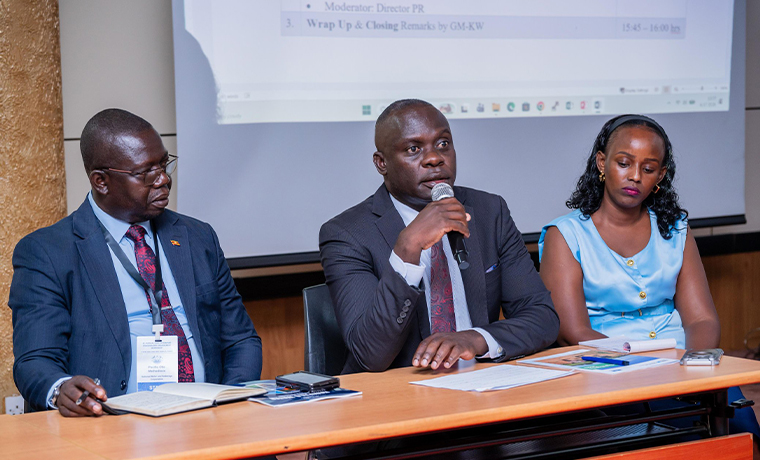
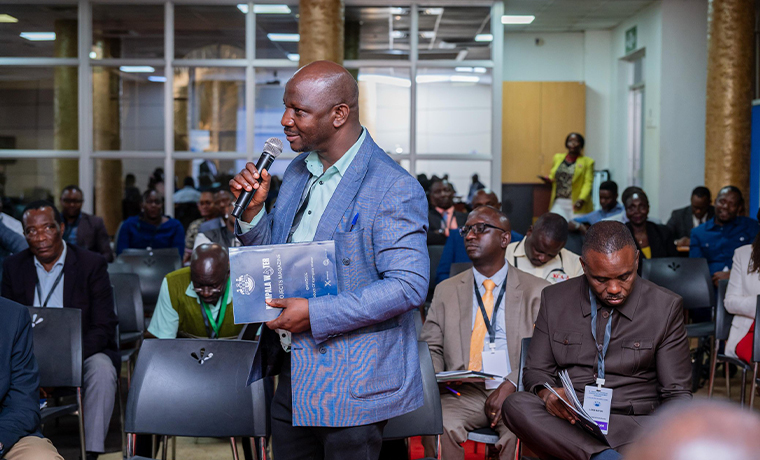
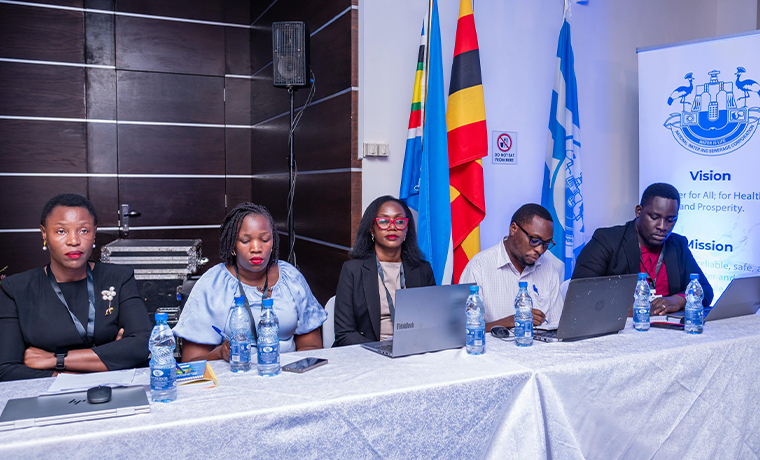
The National Water and Sewerage Corporation has reported steady operational growth and improved service delivery in its mid-year performance review, highlighting key gains in infrastructure expansion, revenue collection, and customer reach.
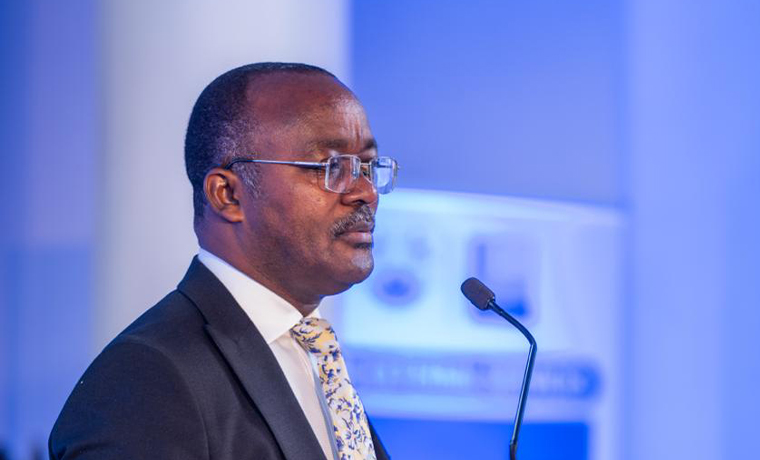
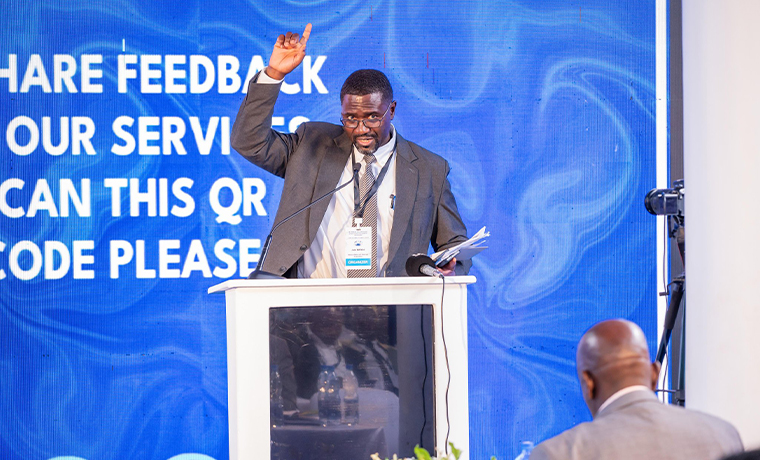
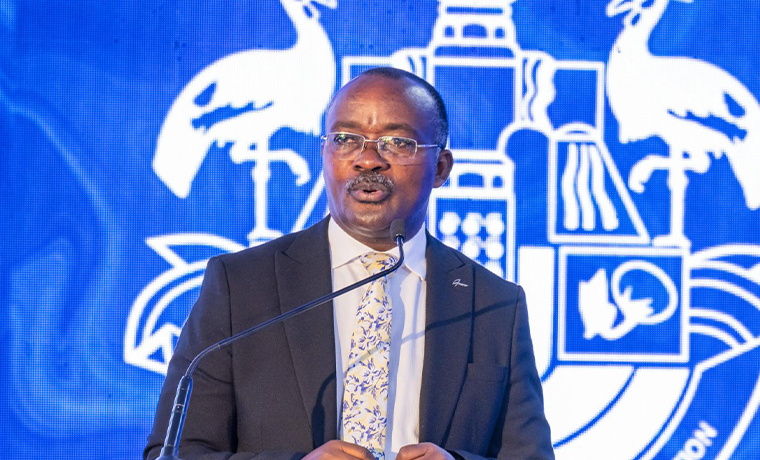
Presenting the performance overview for the period July 2025 to February 2026, Deo Sserumaga said the corporation is currently serving 287 urban centres across the country with a total pipe network stretching 24,077 kilometres. This network supports more than one million customer connections, delivering water services to over 20 million Ugandans.
According to the report, the corporation’s average monthly billing stands at 54.4 billion shillings, while collections have surpassed that figure, reaching 57.3 billion shillings per month. Compliance with water quality standards remains high at 99 percent, while compliance with effluent discharge standards stands at 80 percent.

Sserumaga noted that several performance indicators have exceeded targets ahead of the close of the financial year. Among these is the installation of 2,452 new public standpipes, placing the corporation 73 percent above its target in that category. New customer connections have also increased by 7 percent, while sewer connections have significantly outperformed expectations, reaching 192 percent of the set target.
Water network expansion has also recorded strong progress, with extensions improving by 47 percent. These gains, he said, are largely attributed to the implementation of water supply stabilization plans, which have been prioritized by both the board and management to ensure consistent and reliable service delivery.
In terms of ongoing operations, the corporation is currently supplying an average of 14.2 million cubic meters of water per month, slightly exceeding its monthly target by 2 percent. Water sales stand at 9.3 million cubic meters, reflecting a 1 percent improvement, while billing has also increased marginally.
Despite these gains, non-revenue water—water lost through leakages, illegal connections, and metering inefficiencies—remains a challenge. The current level stands at 34.5 percent, although this represents a slight improvement compared to previous performance. Sserumaga expressed confidence that further reductions will be achieved before the end of the financial year.

Revenue collection efficiency remains strong, with collections averaging 99 percent and reaching 48.73 billion shillings monthly. This marks an 11 percent improvement and reflects enhanced efforts in debt recovery and customer engagement.
Performance trends show consistent year-on-year improvement, particularly in areas benefiting from water supply stabilization initiatives. Towns such as Gulu City have recorded notable gains, with performance improving by 35 percent. Other areas, including Kakumiro, Kamuli, and Bugiri, have also shown strong results due to infrastructure upgrades and operational efficiency measures.
However, some regions continue to face challenges, including Bweyale, Pader, Kanungu, and Kisoro. These areas have been earmarked for inclusion in upcoming stabilization plans aimed at improving water availability and service reliability.
The report also highlights continued progress in expanding access points for water. Public standpipes and sewer connections have both shown upward trends, reflecting increased efforts to provide affordable and accessible water services, particularly in underserved communities.
Financial performance has also improved, with billing efficiency reaching 96 percent and collections continuing to rise. Increased water supply has played a key role in driving revenue growth, as improved availability translates into higher consumption and billing.
On debt management, the corporation reported significant progress in reducing arrears. Some regions, such as Masaka and Mbarara, have recorded reductions of 42 percent and 38 percent respectively. However, other areas still face challenges in recovering outstanding payments.
Sserumaga emphasized that while the corporation is on track in many areas, operational challenges remain. These include water production constraints in certain regions, aging infrastructure leading to leakages, and illegal water use, all of which contribute to system losses.
To address these gaps, NWSC plans to intensify water supply stabilization efforts, strengthen leak detection and repair systems, replace old infrastructure, and enhance metering accuracy. Additional measures include improving debt collection strategies, increasing preventive maintenance, and leveraging digital tools for real-time monitoring and decision-making.
Overall, the corporation maintains that it is on course to meet its annual targets, with strong momentum in infrastructure expansion and service delivery expected to continue through the remainder of the financial year. (For comments on this story, get back to us on 0705579994 [WhatsApp line], 0779411734 & 041 4674611 or email us at mulengeranews@gmail.com).