







By Mwanje Gideon/Guest Writer
The math of death in Uganda is as precise as a librarian’s cataloging system. Every single day, we lose 14 of our brothers and sisters to road accidents, not necessarily because of the crashes themselves, but because help simply doesn’t arrive in time. Whether an accident happens in the heart of Kampala or on a remote highway, the agonizing reality is that emergency medical responses are a myth in Uganda.
According to the 2024 road crash statistics released by the Directorate of Traffic Police’s Assistant Inspector General Lawrence Niwabiine, the mortality rate on our roads has reached a gruesome milestone: 14 Ugandans are perishing every single day. This number is expected to rise in the 2025 report.


Behind these numbers are empty chairs at dinner tables and grieving families. There are new names baptized to children such as “Orphans.” You may not understand my point until you lose a loved one because of no immediate response and the fact that the nearby response clinics didn’t understand the injury. I feel this weight personally. Late last year, I lost a dear friend to a road crash. She was from University and the country lost an intelligent mind. As I look toward the 2025 report, I weep with the realization that the trajectory is only going up. We are witnessing a massacre in slow motion.
Is this Wealth Creation for the Dead? The government frequently preaches a vision of a doubled GDP, reaching USD 158 billion by 2030. But there is a fundamental flaw in this sermon: A dead person cannot create wealth. Despite the “Wealth Creation” initiatives receiving over UGX 9 trillion in recent years, the health sector remains an afterthought. For the 2025/26 financial year, the health allocation was increased to UGX 5.87 trillion (approx. $1.5 billion). While the figure sounds large, it represents a mere 8.1% of the national budget far below the commitments made in regional health accords and dwarfed by sectors the government deems “priorities.”

In Uganda, if you are involved in a crash today, your survival depends on the pity of “Good Samaritans”, the God you serve or the arrival of a police pickup truck. Casualties are often tossed into the back of patrol cars like sacks of charcoal, handled in ways that exacerbate spinal injuries and fractures.
I know the government will say that an integrated trauma care system, a network of EMS, professional experts, specialized hospitals, and rehab centers is “too expensive.” But have a look at South Africa: in 1962, it established its first dedicated trauma center in phases. In the year 2008: Professionalized trauma surgery as a sub-specialty. In the year 2016: Created a National Trauma Registry.
The cost of a Level I Trauma Center’s annual readiness is estimated at approximately 9.7 to 10.2 billion Ugandan Shillings. Taheri attempted to quantify the cost of trauma center readiness within the state of Florida and noted that the combined average total medical cost of readiness for each level I and level II trauma center was approximately US $2.7 million annually. (Taheri PA, Butz DA, Lottenberg L, Clawson A, Flint LM. The cost of trauma center readiness. Am J Surg. 2004; 187:7–13.)
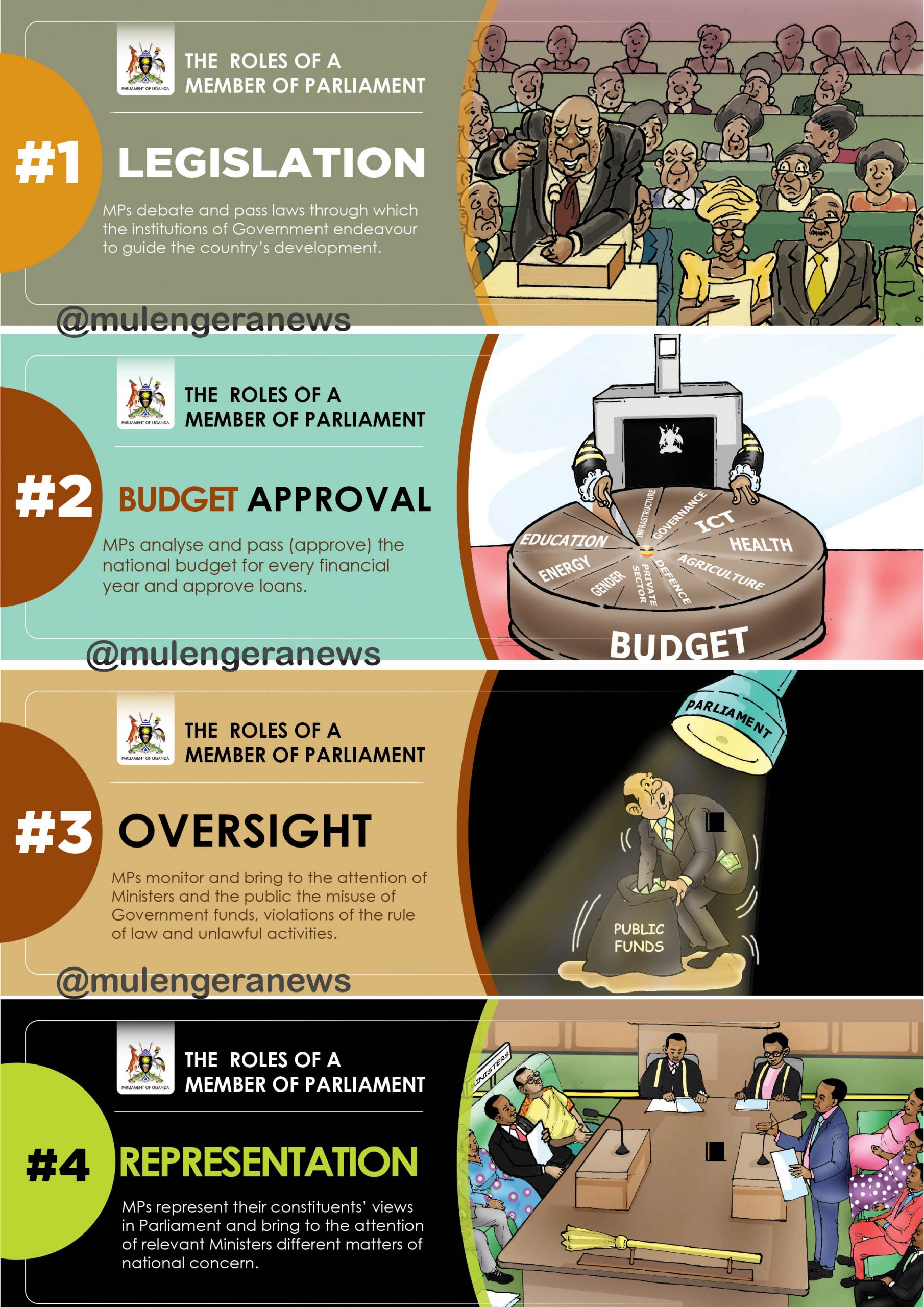
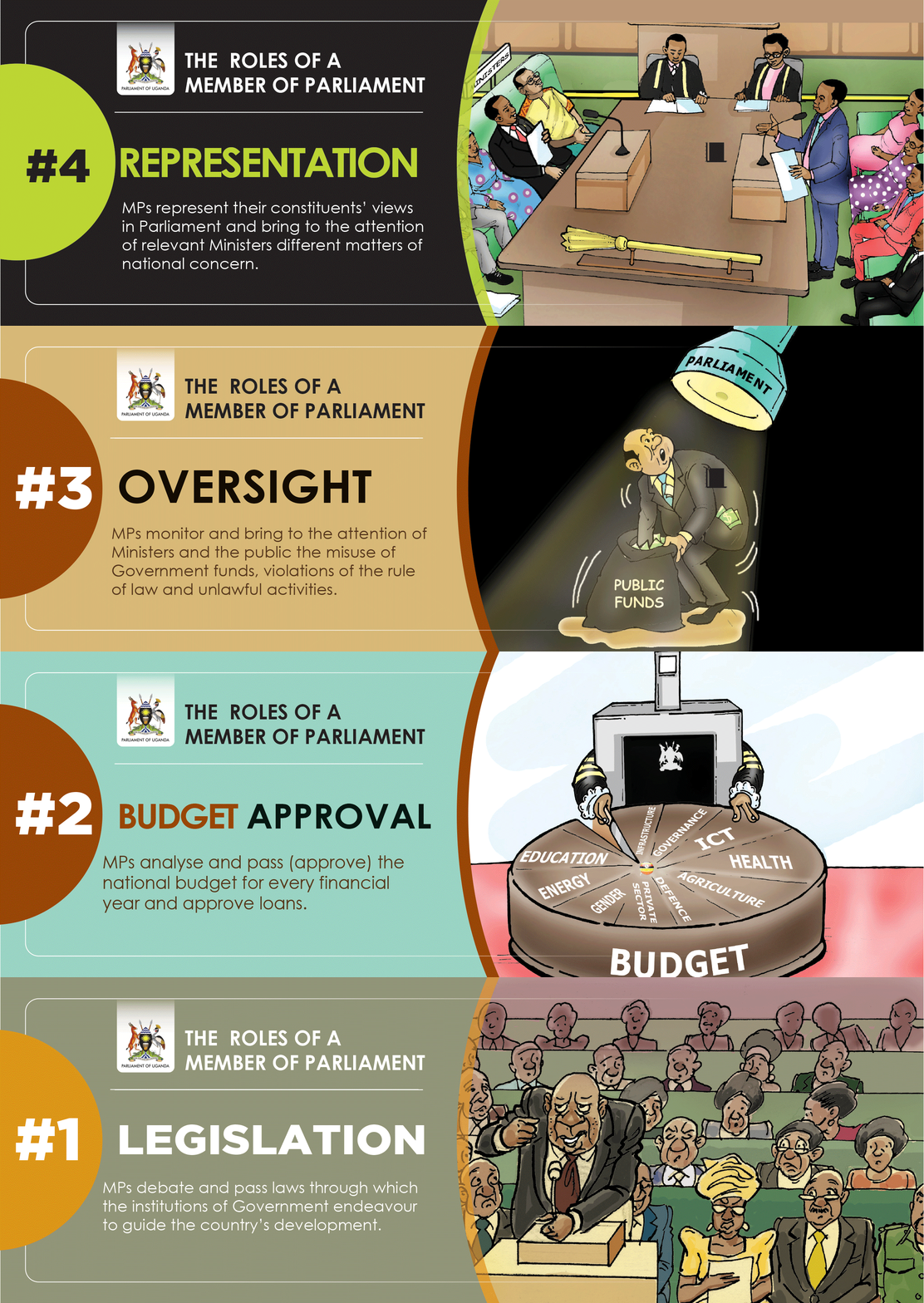
For a Ugandan government that allocates UGX 1.3 trillion ($350 million) to a Parliament of 550+ MPs, not to include the supplementary budgets, claiming we cannot afford a single Level I center in Kampala is a bold-faced lie. In Uganda, we have more ammunition than medicine. We have enough resources; we simply lack the leadership to prioritize life over politics.
While the 2026 election cycle saw UGX 838.7 billion handed to the Electoral Commission, around UGX 14 billion to Prison and UGX 263 billion to the Police for “security,” the basic right to survive a road accident remains unfunded. Our leaders have perfected the art of flying abroad for treatment when they fall ill, leaving the ordinary Ugandan to bleed out on a potholed road without a fast medical response.
Recently, Robert Kalyesubula the Chairperson, Dept of Physiology, Makerere University noted on his LinkedIn page that the government simply “does not have jobs” for new medical graduates. With the Health Service staffed at only 33% (50,416 out of 154,190 established positions), the argument isn’t that there is no work it’s that there is no system to employ them. If we had established Trauma care systems, their services would be on demand. But where does the money go?
I am not condemning Uganda; I am calling her back to sanity. We cannot continue to claim we are “developing” while we bury 14 citizens every day due to preventable trauma. The government must stop treating the lives of its citizens as a secondary budget item. We need an integrated accident response system now.
If we can afford billions for political rituals and administrative luxury, we can afford the $10 million it takes to save a life, otherwise we may not live to see the expected increase of Uganda’s GDP by more than double as you tell us in 2030. Constant failure to respond to this menace is a direct link of killing Ugandans involved in these accidents. The writer is a concerned citizen, a youth leader and a Patriotic in pain. (For comments on this story, get back to us on 0705579994 [WhatsApp line], 0779411734 & 041 4674611 or email us at mulengeranews@gmail.com).