







 By Mulengera Reporters
As part of its climate action designed to mitigate the impacts of climate change on vulnerable communities, the government of Uganda designed initiatives geared towards rehabilitating its fragile ecosystems while improving the livelihoods of communities heavily dependent on them.
Now, the initiatives have borne fruit, with communities exhibiting delight and appreciation for the government of Uganda for what they have described as a timely action. One such community blossoming with beams is the Agu community in Ngora district, the eastern part of the Country. The reason is simple. They are now able to adapt to climate change impacts such as prolonged drought, erratic rainfall, floods, and drug-resistant pests, all of which have been having serious effects on their livelihoods.
Thanks to the Building Resilient Communities, Wetland Ecosystems, and Associated Catchment in Uganda Project, a presidential initiative, which the government is implementing through the Ministry of Water and Environment, working with the Ministry of Agriculture, Animal Industry and Fisheries. This initiative, funded with support from the government of Uganda, the Green Climate Fund and the United Nations Development Programme, focuses on increasing the resilience of communities and wetlands to climate change.
In 2021, a wetland-wise use demonstration site was established at the periphery of the Agu wetland. Sitting on a six-acre land, the initiative comprises a water retention facility (whose role is increasing water recharge, thus enabling degraded wetlands to recover naturally), a mini solar-powered irrigation scheme and five fish ponds targeting to improve household incomes. It is this initiative that is now responsible for the blossoming smiles on the faces of the Agu communities ─especially women, and the Ngora district as a whole.

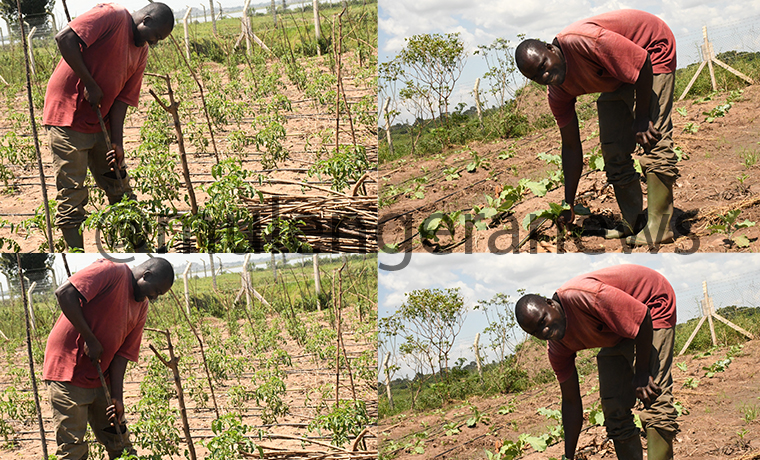
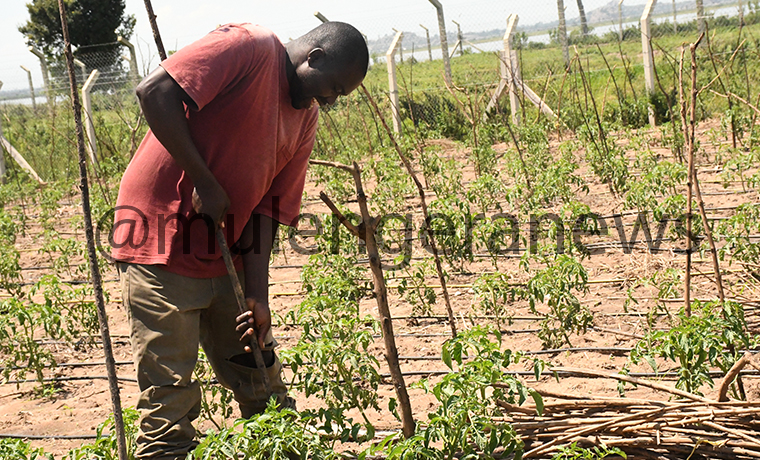
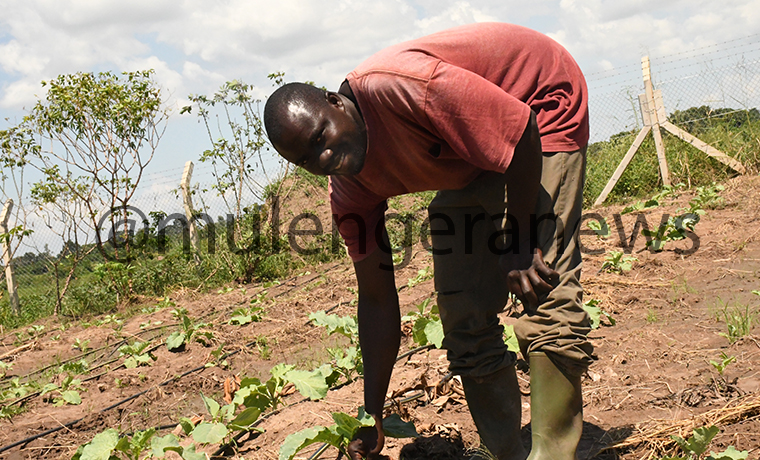
“The community is very happy about this project, especially the market women engaged in selling high-value crops such as greens, eggplant, cabbage, onions, tomatoes, and watermelon. Previously, these women would have had to travel to Mbale district to purchase these items. Now, with the project, they have found a one-stop centre for most of the items they previously needed to run their businesses. I can assure you the hustle is no more. Here we produce throughout the year. Season in, season out. The women flock here to come and buy,” Mr. Samuel Enyondu, a host farmer, notes.

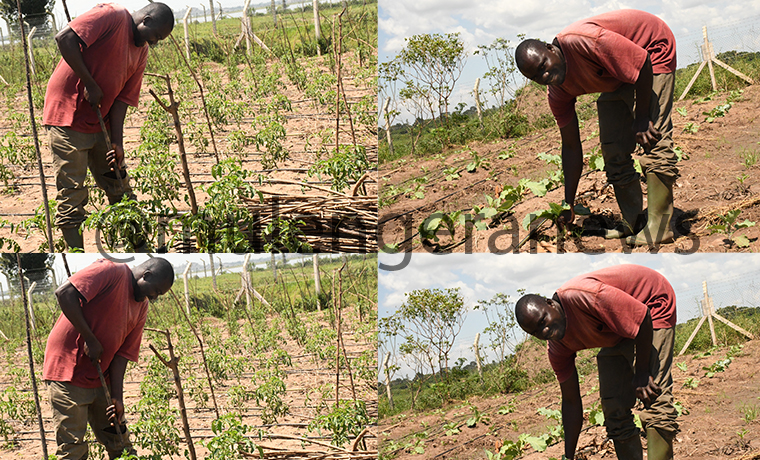
Enyodu formerly earned his livelihood from the Agu wetland till the government requested him and other community members to voluntarily vacate the wetland in return for alternative livelihood options, a call they heeded. Enyodu is particularly benefiting from a mini-irrigation scheme. He now grows high-value crops like watermelon, cowpeas, tomatoes, cabbage, eggplants, and onions, all through the year.
Demarcated into 18 plots, the six-acre scheme is directly benefiting 10 households, which is approximately 70 community members. Each season, the farmers earn approximately between shs 20m- 30m. The level of benefit is impeccable, and demonstrates the fact that sustainable use of wetlands could be more beneficial to all.
This project has the potential to transform our communities and the country as a whole. I have been able to change my livelihood. I can pay fees for my children at a private school, unlike before. My family can now afford a balanced diet. We have been able to diversify our sources of income as we can now comfortably engage in several developments geared towards kicking poverty out. I have bought animals, like cows and goats, all from this project,” Enyodu confidently adds. Ms. Margrate Awekonamungu, the project focal person at Ngora district, says that because of the current benefits derived from the initiative, communities are now willing to grow rice on the wetlands as they anticipate receiving similar government support. (For comments on this story, get back to us on 0705579994 [WhatsApp line], 0779411734 & 041 4674611 or email us at mulengeranews@gmail.com).