









 By Kassim Ssematimba
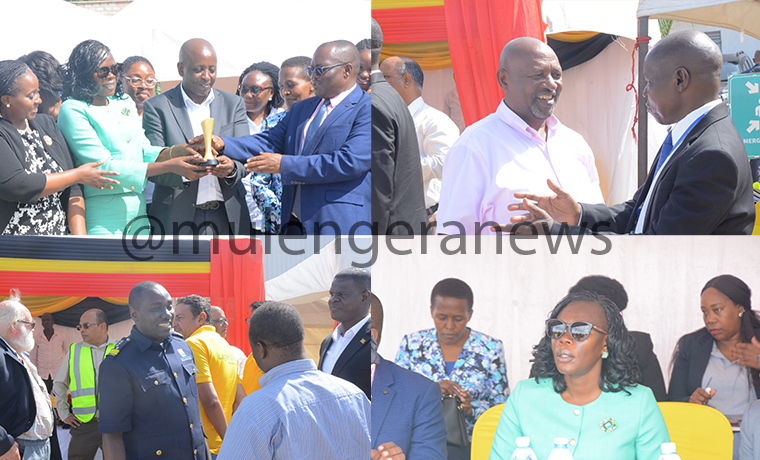
Government of Uganda through the Uganda investment Authority has reiterated the government’s commitment to support both local and international investors operating in Uganda’s largest industrial park, the Kampala Industrial and Business Park (KIBP) in Namanve.
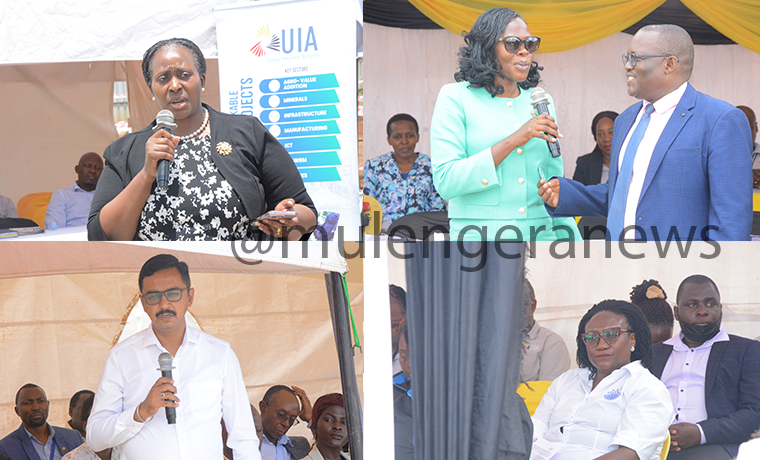
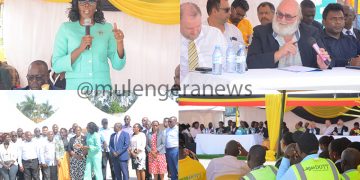
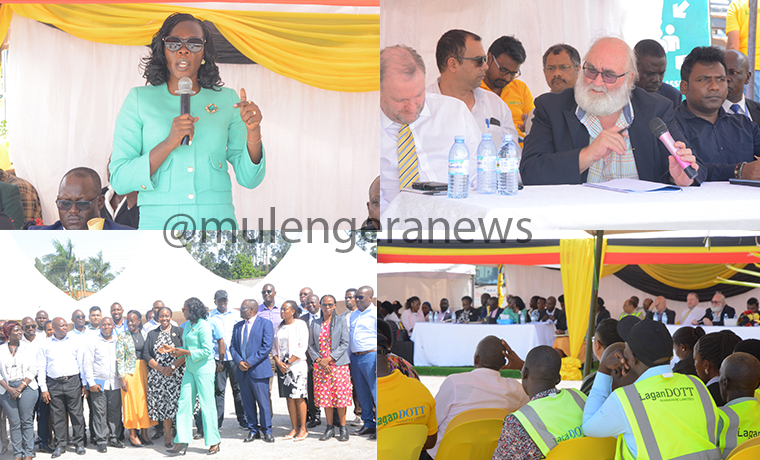
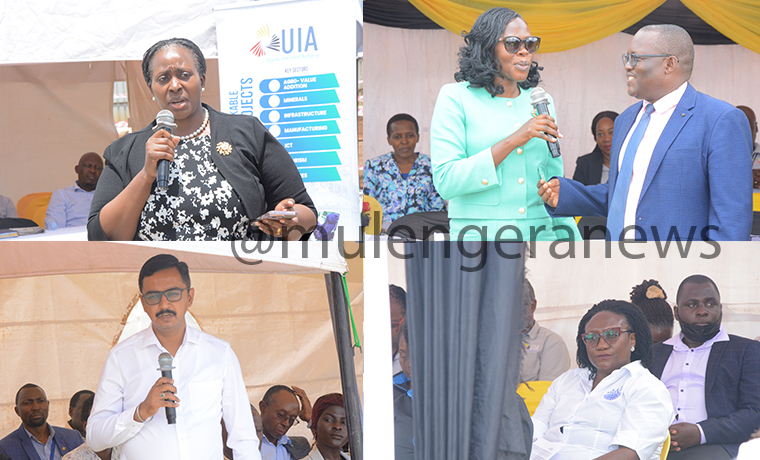
Speaking at the annual investors’ engagement organised by the Uganda Investment Authority (UIA) and the Ministry of Finance, Hon Anite said Namanve, sitting on 2,200 acres, is the biggest industrial park in East Africa and must be properly managed to unlock its full potential.
“We have to engage our investors regularly to address the different challenges they face. These include taxes, electricity, environmental concerns, standards and infrastructure,” she said.
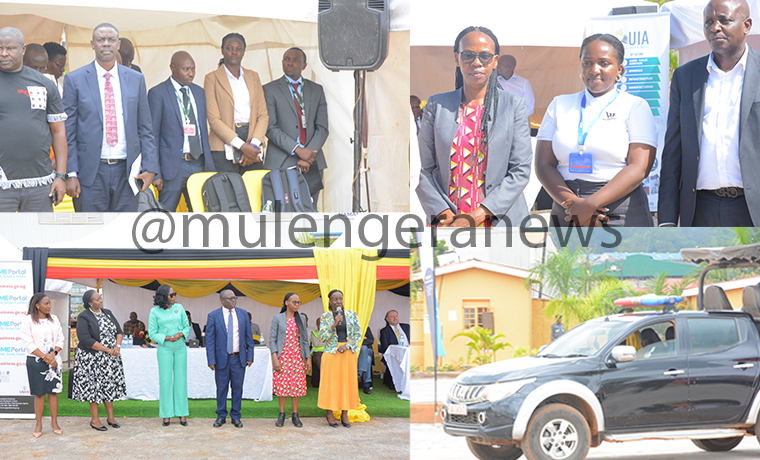
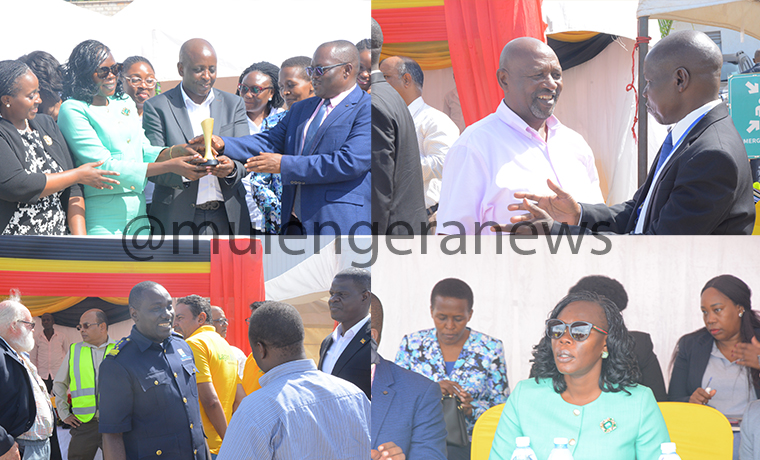
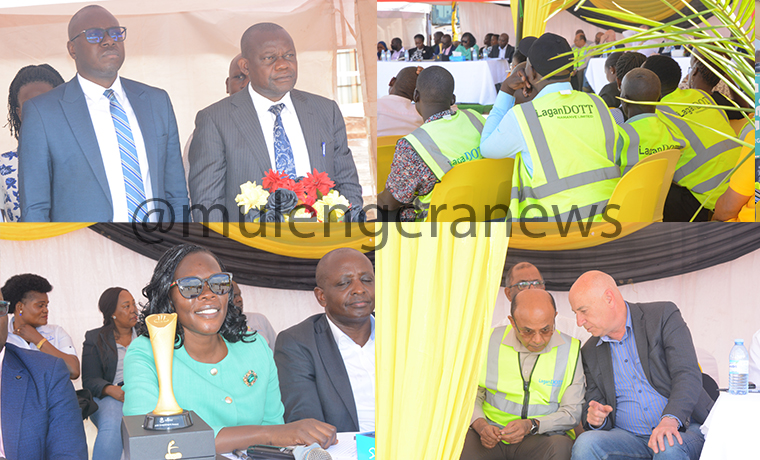
The event attracted over 500 investors and major government bodies such as the Uganda Revenue Authority (URA), National Social Security Fund (NSSF), Uganda Electricity Distribution Company Limited (UEDCL), National Water and Sewerage Corporation (NWSC), and the National Environment Management Authority (NEMA).

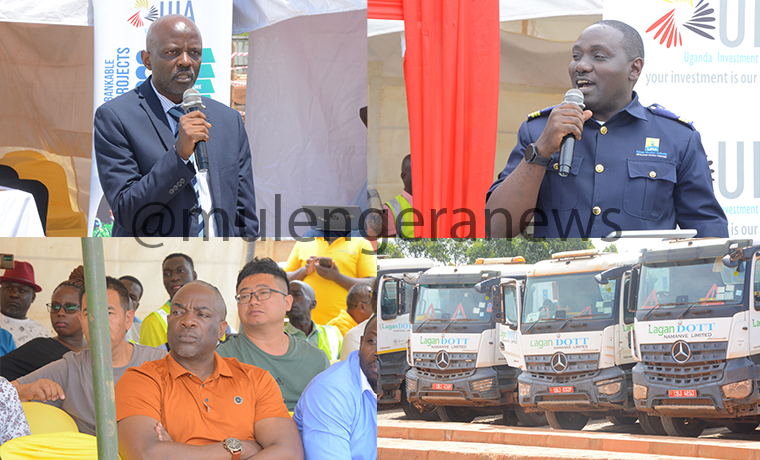
Major investors who attended included Roofings Group, Ntake Bakery, Tian Tang Group, and Lagan Dott, using the platform to raise key concerns related to power supply, taxation, land access, and environmental issues.
Government revealed that while infrastructure development in the park currently stands at 58%, and delays are largely due to historical land allocation without a proper master plan or feasibility study.
“This project began in 1991, and many warehouses were built on wetlands without planning. We now have to create wayleaves and proper drainage, which means some factories have to adjust their perimeter walls,” she explained.
The minister in charge of investment added that the government is working closely with Lagan Dott to find solutions for storm water drainage into River Namanve and ultimately Lake Victoria.

On environmental protection, she disclosed that President Museveni issued a directive halting further allocation of wetlands to investors. “Out of the 2,200 acres, many are wetlands. We’re relocating affected investors to dry land around Namanve to preserve the ecosystem,” Anite said.
So far, over 500 factories have been allocated land within the park, with the potential to generate over 200,000 jobs.
The issue of poor pay for casual workers was also at the forefront during the engagement, and responding to a question on the absence of a minimum wage law, Anite said the government is using a ‘soft power’ approach to ensure fairness.
“We’ve heard complaints of workers earning as little as UGX 5,000 a day. The law says one can only be a casual worker for six months, after which they should be formally employed. That’s why I invited NSSF today to begin sensitizing and monitoring these factories,” the minister said.
She encouraged employers to register more workers under NSSF to improve employee welfare, which she said will ultimately boost productivity.
The Commissioner General of URA, John Rujoki Musinguzi, also addressed investor concerns related to tax policy and incentives, while NEMA committed to working with industries to reduce pollution in the park.
With growing concerns around tariffs, the newly contracted power distributor (UEDCL) was present to respond to investor queries on electricity reliability and cost.
The annual meeting is part of an initiative launched by Anite in 2016 to strengthen coordination between government agencies and the private sector, and to fast-track Uganda’s industrialization agenda. (For comments on this story, get back to us on 0705579994 [WhatsApp line], 0779411734 & 041 4674611 or email us at mulengeranews@gmail.com).