








By Aggrey Baba
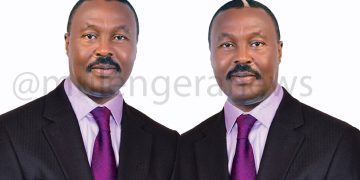
Earlier this week, ANT presidential candidate, Maj. Gen. (Rtd) Gregory Mugisha Muntu, said Uganda’s economic challenges, including poor salaries for civil servants, stem from rampant corruption and extravagant government spending rather than lack of resources.
Speaking to the people of Rakai District, who had gathered to listen to his message of hope, as he campaigned to become Uganda’s 10th president come 2026, the former army commander explained that the trillions of shillings lost through corruption and wasteful expenditure each year could be used to improve the welfare of government workers, raise service delivery standards, and support long-term national development, in his government.
He said that with better financial management and reduced leakages in public spending, Uganda could afford to pay every civil servant a minimum of UGX 2.5 million per month.
According to him, such an amount would allow government workers, including teachers and health workers, to sustain their families and work with dignity.
Muntu noted that many public servants currently earn meagre salaries, with some primary school teachers taking home as little as UGX 450,000 a month, earnings, he said cannot meet the basic needs of rent, food, and education, forcing many to live in debt and lose focus on their duties.

The President Hopeful believes that by tightening controls on government expenditure and eradicating corruption, the country could not only afford better pay for workers but also improve funding to key sectors like agriculture, manufacturing, and fisheries. He emphasized that growing these productive sectors would in turn increase the country’s tax base and generate enough revenue to finance essential services without depending heavily on foreign support or borrowing.

Muntu also expressed concern about the current model of development, which he described as superficial, saying it focuses more on physical infrastructure such as roads and buildings while neglecting the welfare of ordinary Ugandans. He argued that while a few individuals are thriving, the majority continue to live in poverty despite the country’s apparent progress.
Muntu’s remarks followed concerns raised by local leaders, including Rakai Town Council chairperson Salongo Saddam Kiggundu, who noted that teachers and other civil servants were planning strikes over unpaid or delayed wages.
Muntu also warned of growing influence by cartels that have taken control of public resources such as lakes and land, leaving communities impoverished. He said unless there is a change in leadership and governance approach, the situation could worsen, with local residents losing control over their natural resources.