



 By Mulengera Reporters
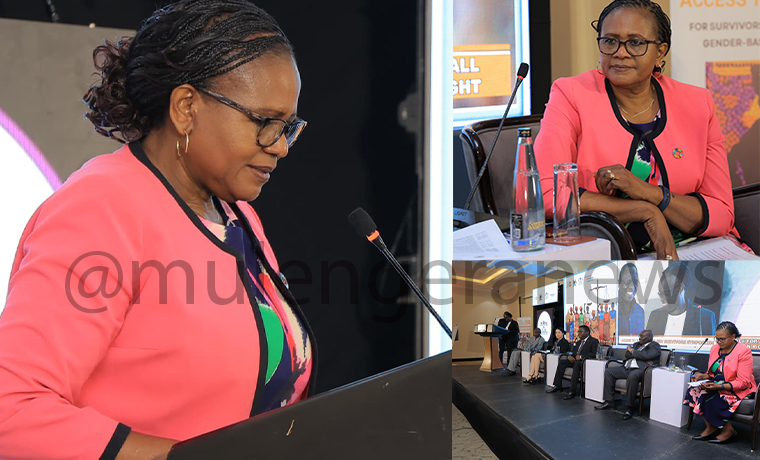
The United Nations Population Fund (UNFPA) Country Representative, Gift Malunga, has called for urgent reforms in Uganda’s justice response to gender-based violence (GBV), urging stakeholders to invest in data systems, local structures, and trauma-informed care that put survivors at the center of national efforts.
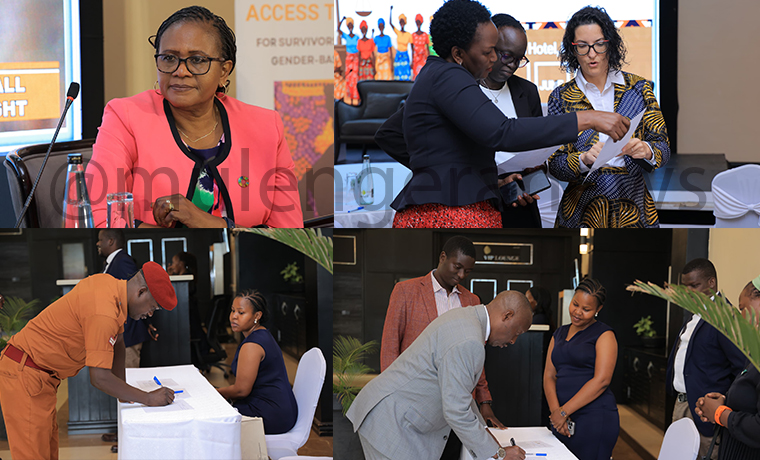
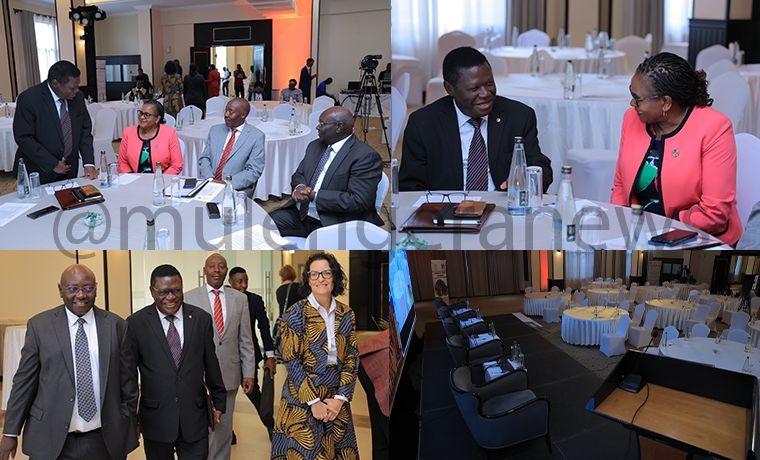
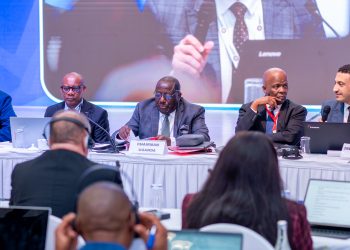
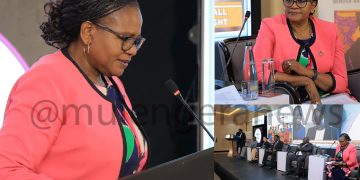
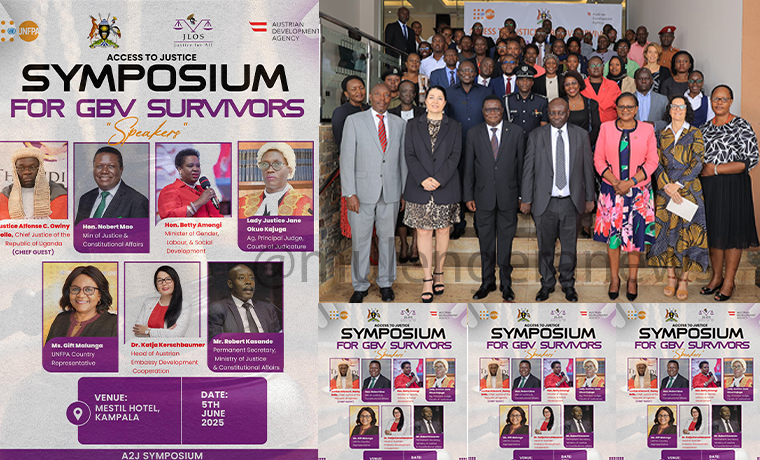
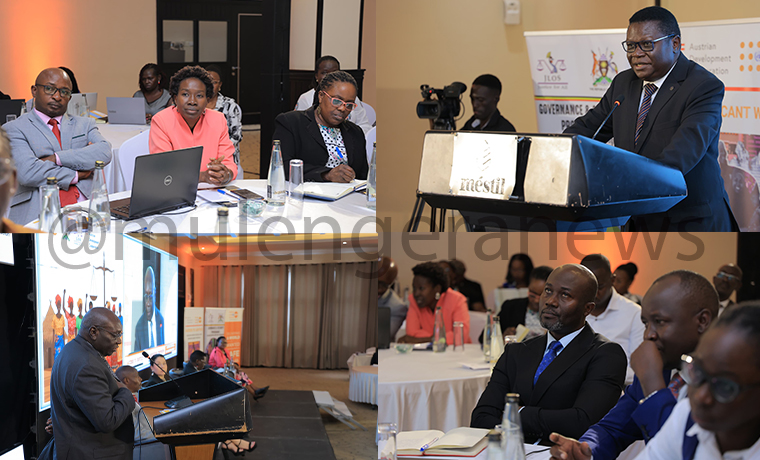
Speaking at the National Symposium on Strengthening Access to Justice for GBV Survivors, held in Kampala on Thursday, Malunga delivered a passionate address that reframed access to justice as not just a legal matter but a deeply personal and
While acknowledging progress made in strengthening laws and securing convictions, she cautioned that legal frameworks alone cannot protect survivors unless they are backed by functioning systems, coordinated services, and accurate data.
“Stories must become statistics. Anecdotes must give way to evidence,” she said, adding that it’s through reliable, timely, and disaggregated data that UNFPA now crafts and designs more responsive programmes and hold ourselves accountable.
The UNFPA has been a key partner in Uganda’s GBV response, supporting integrated services that combine legal aid, reproductive health, psychosocial support, and protection services.
Over the last year alone, more than 1.5 million women and young people have reportedly been reached through these coordinated efforts.
One of the most notable achievements cited was the Special GBV Court Sessions, which have contributed to a rise in conviction rates from just 20% to over 80% in targeted areas.
More than 4,500 survivors have seen justice delivered through these sessions, a result the UNFPA described as “momentum” and “proof that justice can work when systems are aligned.”
However, Malunga warned that much remains to be done.
“For every survivor who finds safety, many more remain silenced, by stigma, fear, and systems that were not built for them,” she said, also highlighting long-standing issues such as case backlogs, lack of transport for police officers, survivors’ inability to reach court, and informal settlements that prioritize reconciliation over justice.
Looking ahead, Malunga called for sustained political will and increased domestic funding for legal aid, forensic services, and witness support mechanisms. She also advocated for innovations such as mobile legal clinics, digital case tracking tools, and community-level justice actors including local councils and paralegals.
Most importantly, she underscored the need to remain survivor-centered in both policy and practice.
“That means trauma-informed care. It means listening without judgment. It means honoring the courage it takes to speak out,” she said, adding that justice must be timely, accessible, and built around the realities of those we seek to serve.”
Other speakers at the symposium echoed the UNFPA’s call for multi-sectoral collaboration, with the Ministry of Justice and Constitutional Affairs commending development partners, particularly the Austrian Development Cooperation, for supporting access to justice initiatives.
The symposium brought attention to the 2022 Uganda Demographic and Health Survey, which showed that 43% of women reported experiencing violence from an intimate partner within a year, statistics described as a national wake-up call. (For comments on this story, get back to us on 0705579994 [WhatsApp line], 0779411734 & 041 4674611 or email us at mulengeranews@gmail.com).