






By BM
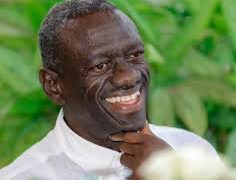
The United Nations Human Rights Office has expressed serious concern over the repeated denial of bail to Ugandan opposition leader Kizza Besigye and his associate Obeid Lutale.
The two were denied bail for the third time on 8 August, sparking fresh calls from international human rights advocates for their immediate release.
Besigye and Lutale have been in detention since their controversial abduction in neighboring Kenya and forcible return to Uganda in November 2024.

Despite mounting international pressure and multiple bail requests, the Ugandan High Court continues to refuse their release.

In its latest ruling, the High Court dismissed their bail application based on the technicality that they had been held in a civil prison for less than 180 days, a threshold required under Ugandan law to qualify for mandatory bail.
The court notably failed to take into account the significant period of prior detention that the pair endured following their abduction and forced repatriation late last year.
The UN Human Rights Office, represented by spokesperson Liz Throssell, criticized the decision, calling it “seriously troubling.”


She underscored the need for the Ugandan authorities to reassess their stance and urged that the legal proceedings adhere strictly to international human rights standards.
“The repeated denial of bail to Mr. Besigye and Mr. Lutale is deeply concerning,” said Throssell. “It is imperative that the authorities reconsider the decision and grant them bail without further delay. All legal processes must fully comply with international human rights law, ensuring fair treatment and respect for due process.”
Kizza Besigye, a prominent figure in Ugandan politics and a leading opposition voice, has been a thorn in the side of the government for many years.
His detention has drawn widespread condemnation from human rights groups, political analysts, and foreign governments, who argue that his arrest and continued detention undermine democratic freedoms and the rule of law in Uganda.
Obeid Lutale, Besigye’s close associate, has been detained alongside him under similar circumstances. Both men face charges that their supporters claim are politically motivated and aimed at stifling dissent.
The circumstances of their abduction in Kenya remain shrouded in controversy.
Reports suggest that Ugandan security forces crossed into Kenya, forcibly apprehending Besigye and Lutale before transporting them back to Uganda.
This cross-border operation has raised serious questions about sovereignty, legality, and respect for international norms.
International observers have called for an independent investigation into the events surrounding the abduction and detention, as well as for transparent judicial proceedings. They emphasize the need to uphold fundamental rights, including the right to a fair trial and protection against arbitrary detention.
Human rights organizations have also urged the Ugandan government to release all political prisoners and to engage in dialogue with opposition figures to foster national reconciliation.
In Uganda, the bail denial has sparked fierce condemnation from opposition politicians and civil society.
Robert Kyagulanyi Ssentamu, widely known as Bobi Wine and the President of the National Unity Platform, described the court’s decision as “a blatant disregard for justice and democracy.” Bobi Wine called on the international community to intensify pressure on the Ugandan government to respect political freedoms and release Besigye and Lutale immediately.
Other opposition leaders echoed similar sentiments. They criticized the judiciary’s failure to consider the full circumstances of Besigye and Lutale’s detention, accusing the government of using the legal system as a tool to silence dissent.
Several MPs and civil society activists have called for peaceful protests and renewed efforts to demand accountability and respect for human rights.
As the international community watches closely, the fate of Besigye and Lutale remains uncertain.
Their ongoing detention continues to spotlight the broader challenges facing Uganda’s political landscape, including concerns about governance, civil liberties, and respect for democratic principles.
The United Nations Human Rights Office’s statement reinforces the call for justice and due process, reminding Uganda of its obligations under international law.
In addition to international pressure, local civil society groups have mobilized protests and public statements condemning the government’s handling of the case.
Advocacy campaigns emphasize the broader context of political repression in Uganda, where opposition leaders and activists have frequently faced harassment, arbitrary arrests, and legal challenges.
Analysts note that the repeated bail denials could signal a tightening grip by the current government on dissenting voices, further straining Uganda’s democratic institutions.
The case has also attracted attention from regional bodies such as the African Union and the East African Community, both of which have called for adherence to human rights norms.
As this situation unfolds, many hope for a peaceful resolution that respects legal processes and upholds the principles of justice and human dignity.
The international community remains poised to monitor developments closely and to engage with Uganda to promote accountability and political openness. (For comments on this story, get back to us on 0705579994 [WhatsApp line], 0779411734 & 041 4674611 or email us at mulengeranews@gmail.com).