






By Mulengera Reporters
The government of Uganda has moved to provide training to 356 former wetland users in 16 districts of eastern and southwestern Uganda on Environmental Health and Safety (EHS) practices as efforts to strengthen the benefits of its adaptation interventions to climate change impacts continue.
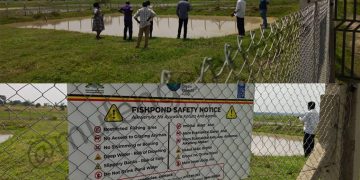
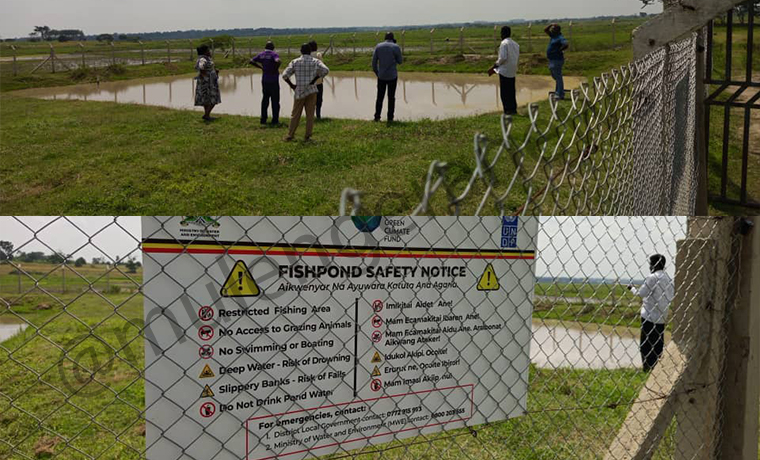
The trainings follow the establishment of several water retention facilities and fishponds across various wetlands in the two regions, facilitating wetland restoration processes while enhancing communities’ resilience to climate change. Conducted under the Building Resilient Communities, Wetlands Ecosystems and Associated Catchments in Uganda projects, the training primarily addresses potential risks of drowning, diseases and other accidents that may harm communities. At the same time, ensure the facilities function efficiently.
The Government of Uganda (GoU), the Green Climate Fund (GCF) and the United Nations Development Program (UNDP) fund the project implemented in 24 districts. The intervention, whose primary goal is restoring wetlands, will establish 18 water retention facilities to aid wetland restoration, facilitate mini-irrigation schemes and provide water for domestic use. It would also establish 67 fish ponds alongside the retention facilities to provide alternative livelihoods to affected communities.
The training targeted local project beneficiaries, Grievance Redress Committees (GRC) focal persons, caretakers and adjacent communities on the EHS, Operations and Maintenance (O&M) and project GRM at the investment sites.

According to the National Project Coordinator, Tom Okello, this is further in response to the UNDP SES policy and the government of Uganda’s environmental regulations. “We want to ensure our interventions meet both the national, international and donor requirements. In addition, we note that the site caretakers play a vital role in the ongoing maintenance and safety of the facilities. Monitoring safeguard-related issues around the facility, conducting regular inspections to identify debris accumulation and damages, maintaining facility components by slashing grass, removing woody trees, unblocking inlets and outlets, desilting drainage lines, and reporting any incidents or damage immediately to the relevant engineers. So, capacitating them is critical,” Okello observed.
The Acting Director of Environmental Affairs (DEA) at the Ministry of Water and Environment, Mr. David Okurut, further underscored the relevance of the EHS training. “The government is being proactive. We don’t want to find ourselves in a situation where our unsuspecting community members start drowning because we missed out on an important process like this one,” he said.
The Government of Uganda, through various ministries and local government bodies such as the Ministry of Water and Environment (MWE), the Ministry of Local Government, the Ministry of Agriculture, Animal Industry and Fisheries (MAAIF), and National Environment and Management Authority (NEMA) all, provide ongoing support for the maintenance of the facilities. This includes regular inspections, emergency support, facility improvements, and the provision of health and safety tools. Training fish farmers on sustainable practices and monitoring the quality of water within the facilities.