





By Ben Musanje
Ugandan women are giving birth to around 2 million babies each year, with projections suggesting the number could rise to 3 million in the next year, yet many mothers in Kampala and Wakiso are failing to take their children for routine immunizations.
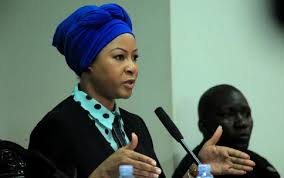
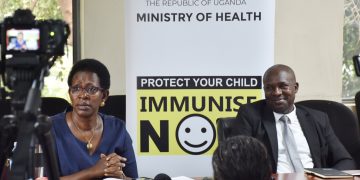
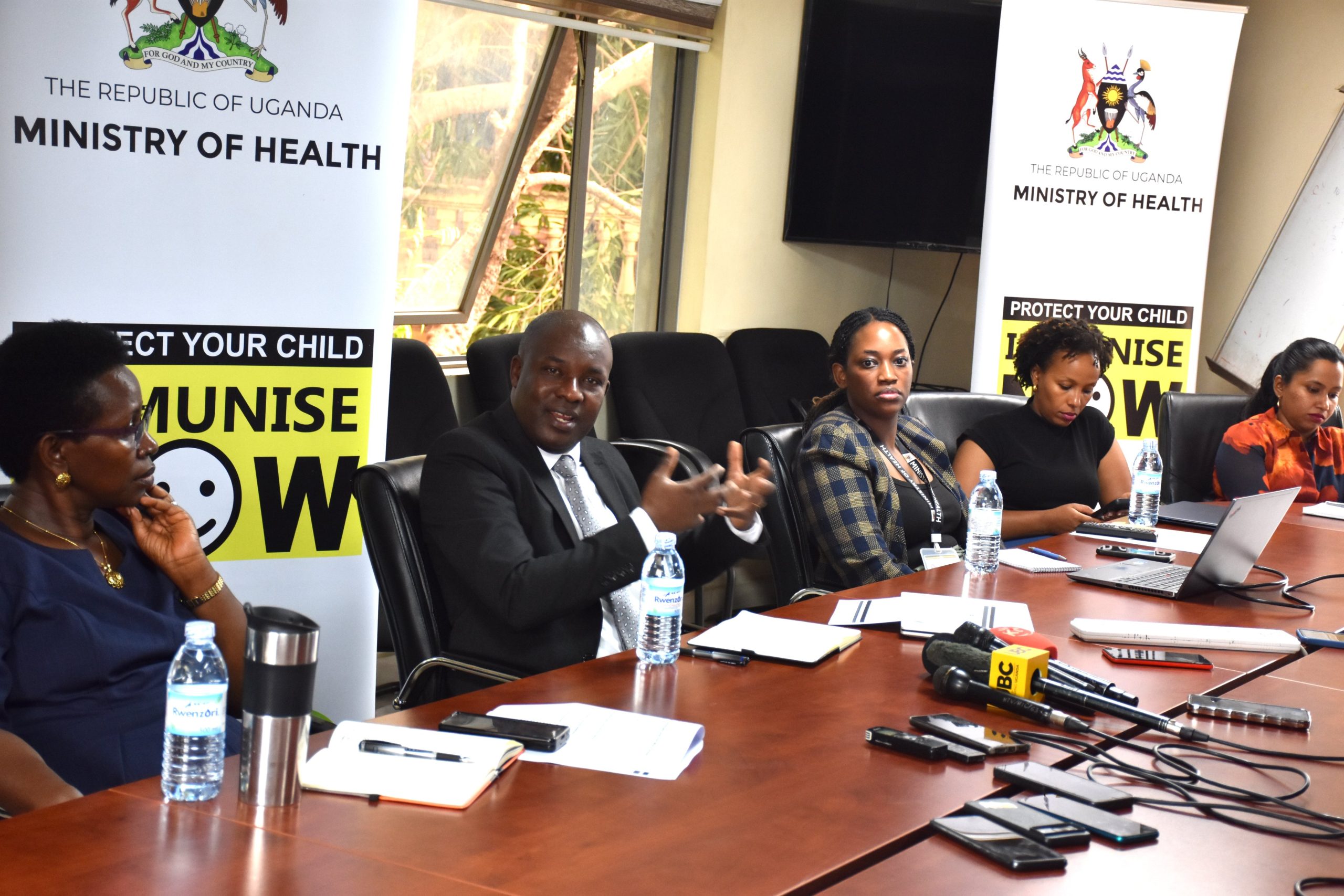
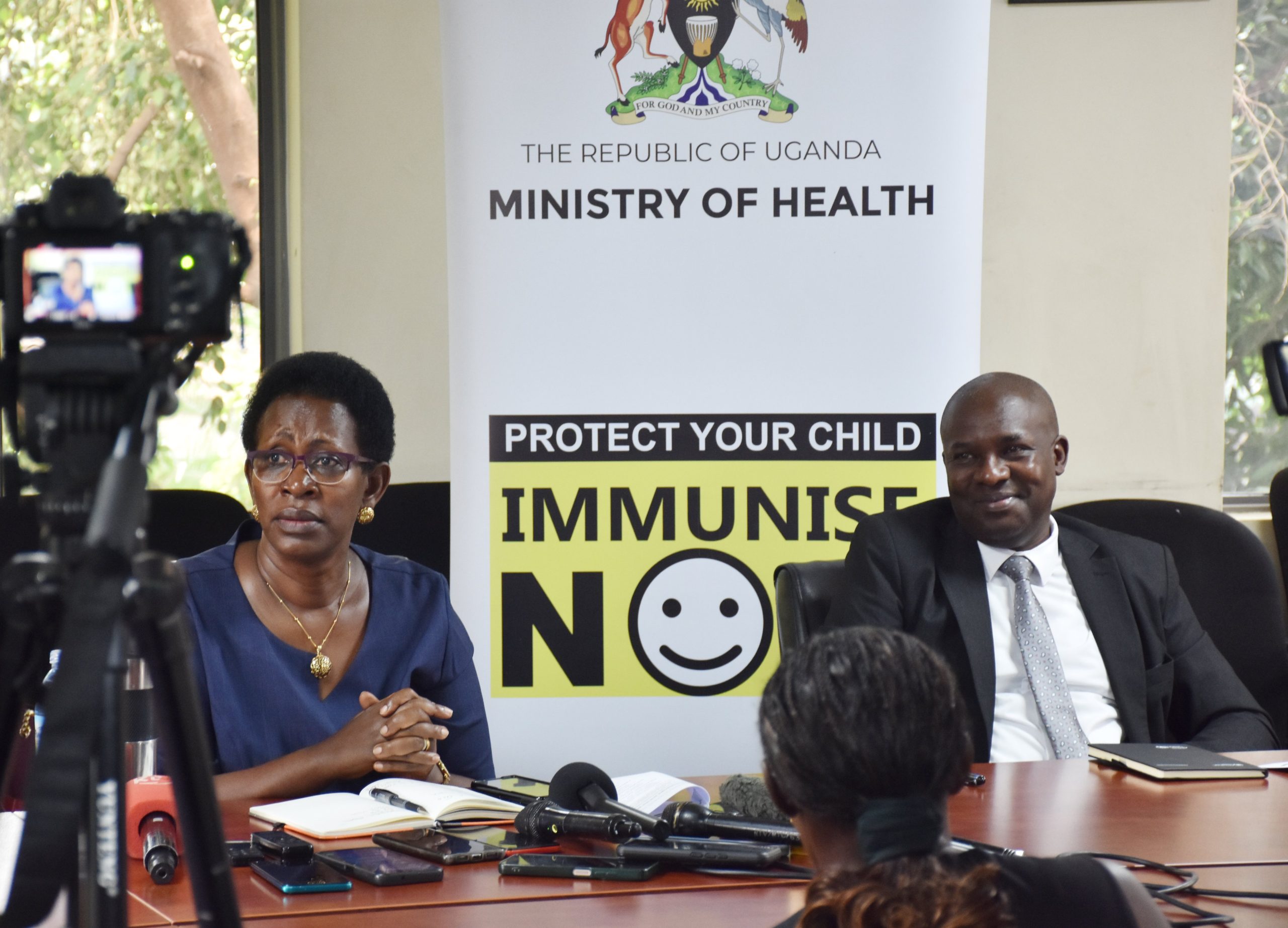
The Permanent Secretary of the Ministry of Health, Dr. Diana Atwiine, highlighted these concerns during a media breakfast on routine immunization at Laurdel Tower in Kampala on Tuesday, noting that the problem in these urban areas is not access to vaccines but parental negligence and misinformation.
Dr. Atwiine explained that Kampala and Wakiso contribute the highest numbers of zero-dose children in the country despite having numerous easily accessible health facilities.

She indicated that some parents, particularly those with higher education or better access to information, are misled by inaccurate content online and fail to vaccinate their children on time.

She contrasted this with remote and hard-to-reach areas including semi-arid districts, mountainous regions like Bulambuli, and island districts such as Buvuma and Kalangala, where families face physical challenges such as traveling by boat but maintain higher immunization coverage than urban centers. These examples, she said, show that when communities are committed, even difficult geographic conditions can be overcome.
To address gaps in vaccination, the Ministry has strengthened outreach programs.

Community extension workers and Village Health Teams (VHTs) are conducting house-to-house visits to identify children who have missed vaccines, referred to as zero-dose children. Special arrangements are made to ensure these children are vaccinated, and partnerships with religious leaders, mother groups, and other community organizations are being used to remind parents of immunization schedules. Media engagement is also being intensified to ensure accurate messaging reaches all households.
On funding, Dr. Atwiine emphasized that government investment in vaccines has steadily increased over time. She noted that allocations have grown from $3.5 million approximately seven years ago to $8.1 million this year, with a planned $8.5 million for the next financial year.
She stressed that as Uganda’s population grows and more babies are born, the demand for vaccines increases, requiring continued financial support.
Dr. Michael Baganizi, Program Manager for the Uganda National Expanded Programme on Immunization (UNEPI), reported that at the start of 2024, Uganda had an estimated 104,675 zero-dose children, primarily in Buganda and Busoga.
By 2025, this number had been reduced to 36,452 due to intensified community mobilization, the distribution of 1,076 vaccine storage fridges, solarization of 250 health facilities between 2025 and 2026, and targeted support to 57 Equity Reference Group (ERG) districts. These ERG districts include refugee-hosting, island, nomadic, and urban poor communities, highlighting the impact of focused interventions.
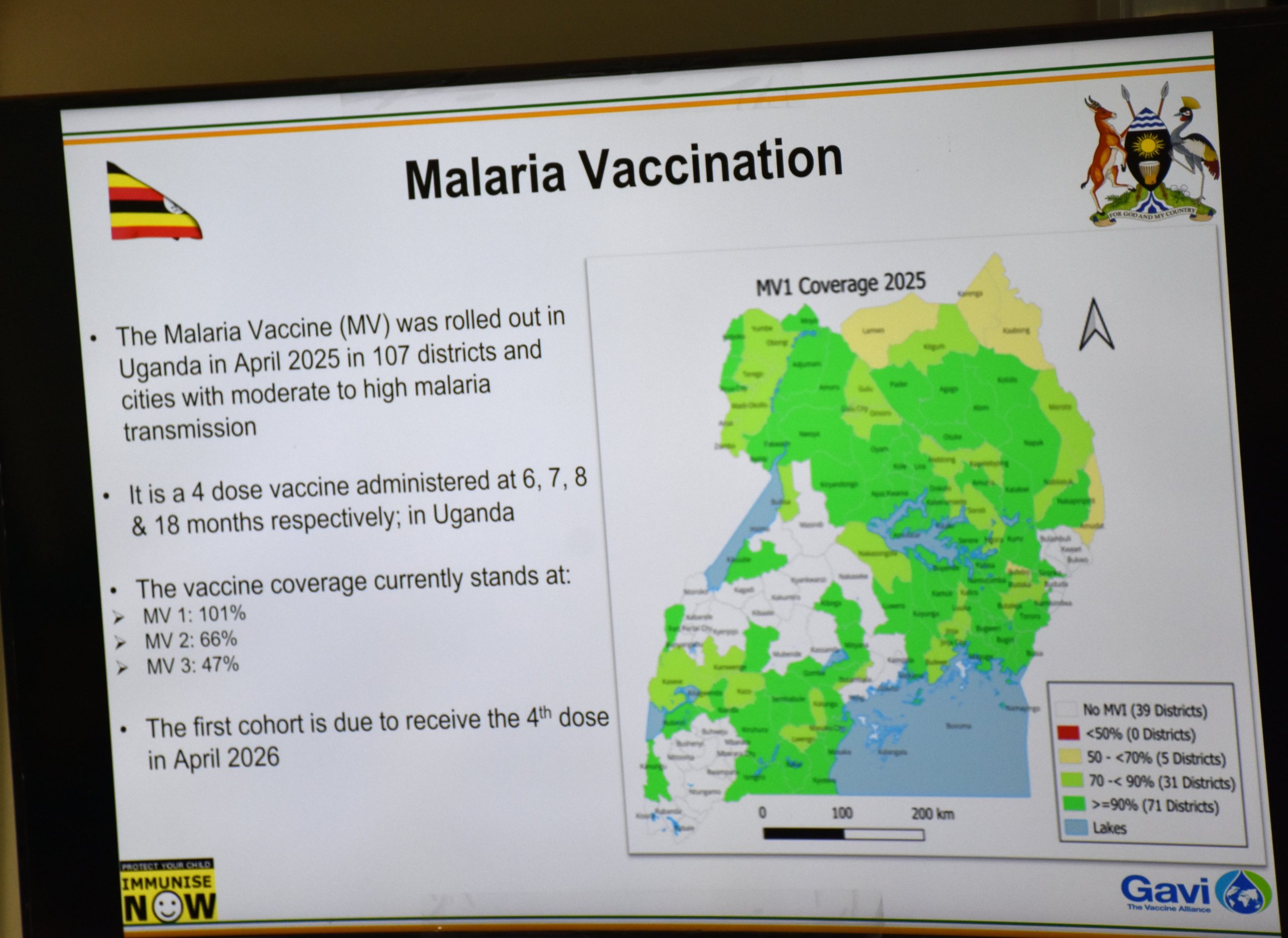
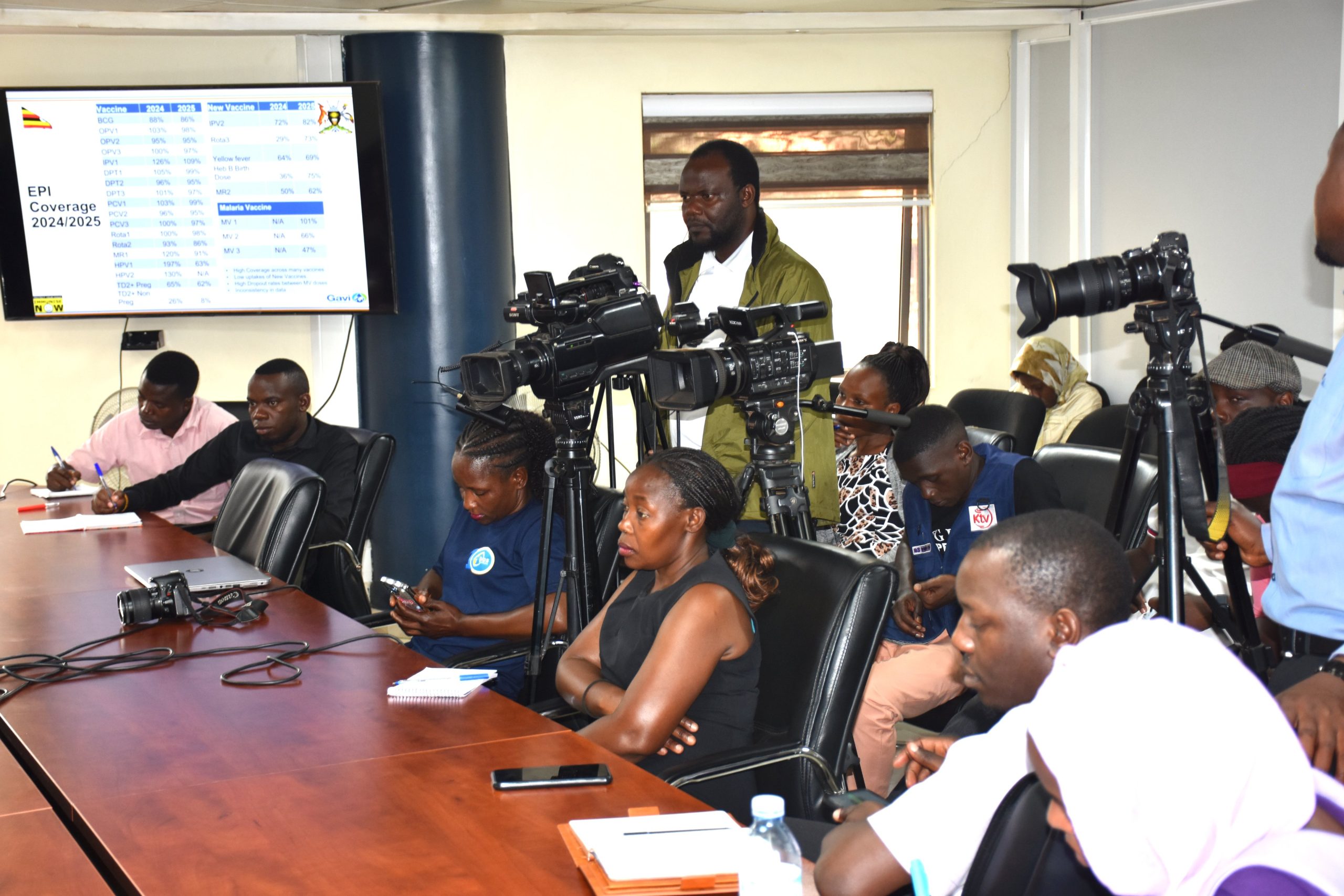
Uganda’s routine immunization program currently protects children against 14 vaccine-preventable diseases, including polio, tuberculosis, measles, rubella, diphtheria, whooping cough, childhood pneumonia and meningitis, rotavirus diarrhea, tetanus, hepatitis B, cervical cancer (HPV), yellow fever, and malaria. In 2025, most antigens achieved coverage above 90%, reflecting strong service delivery, expanded outreach, and sustained community engagement.
Dr. Baganizi noted that vaccination remains one of Uganda’s greatest public health successes, but sustaining these gains requires ongoing community trust, accurate information, and strong partnerships with the media.
Dr. Atwiine warned that unless urban parents, particularly in Kampala and Wakiso, prioritize routine immunization, thousands of children could remain unprotected against preventable diseases despite Uganda’s overall strong vaccination program.
The Ministry of Health continues to focus on house-to-house vaccination efforts, media campaigns, and community engagement through religious and social groups to ensure that no child is left behind.
While vaccine funding is currently sufficient, Dr. Atwiine emphasized that the increasing birth rate will require continued investment to meet growing demand, especially for vaccines that prevent deadly diseases such as malaria. (For comments on this story, get back to us on 0705579994 [WhatsApp line], 0779411734 & 041 4674611 or email us at mulengeranews@gmail.com).