





By Ben Musanje
Uganda is preparing for a powerful wave of national statistics as the Uganda Bureau of Statistics unveils a packed schedule to release major survey and census reports over the next two months. The announcement has stirred interest among policymakers, researchers and the public as the country waits to see what the latest figures will reveal about health, poverty, education, employment and living conditions.
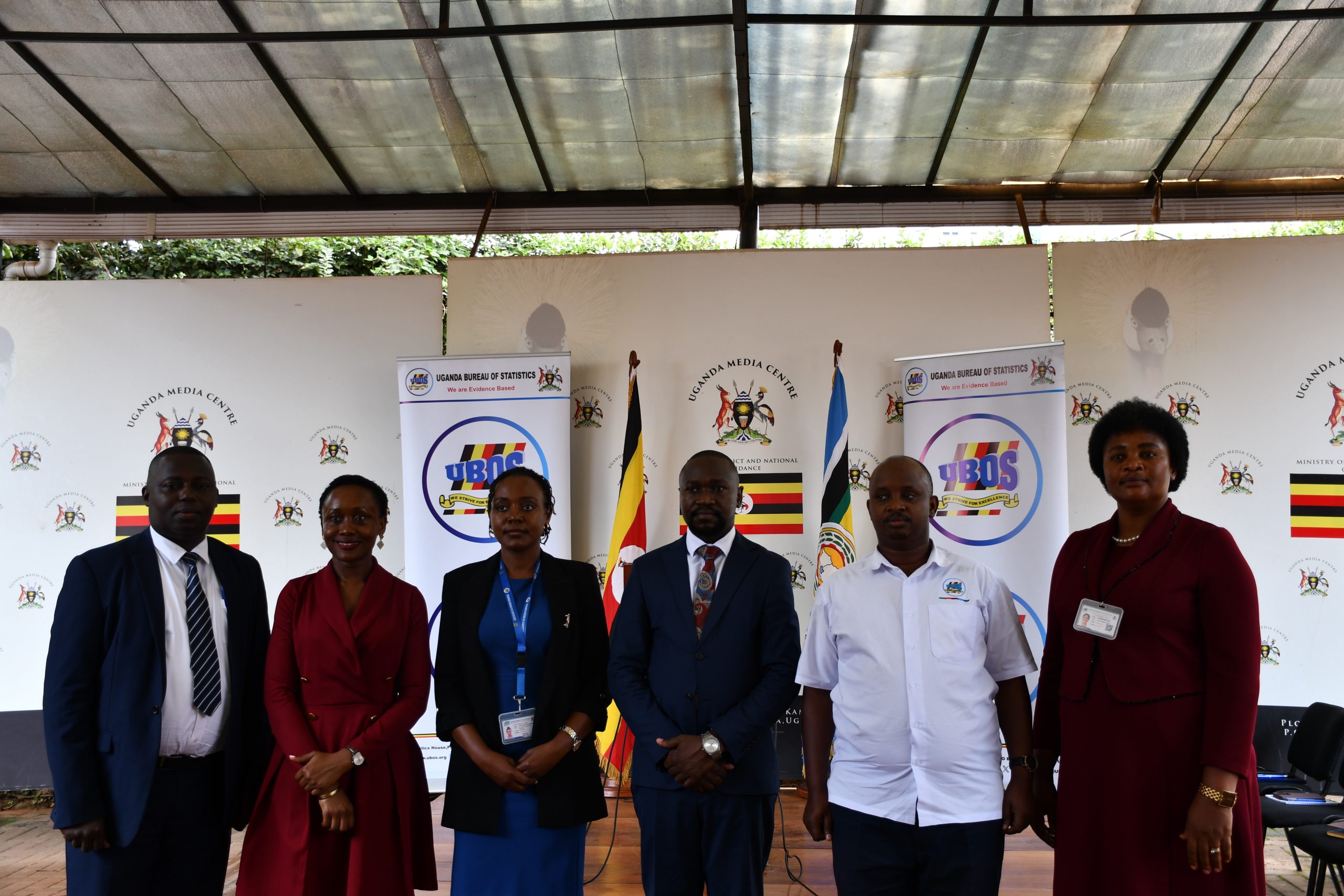
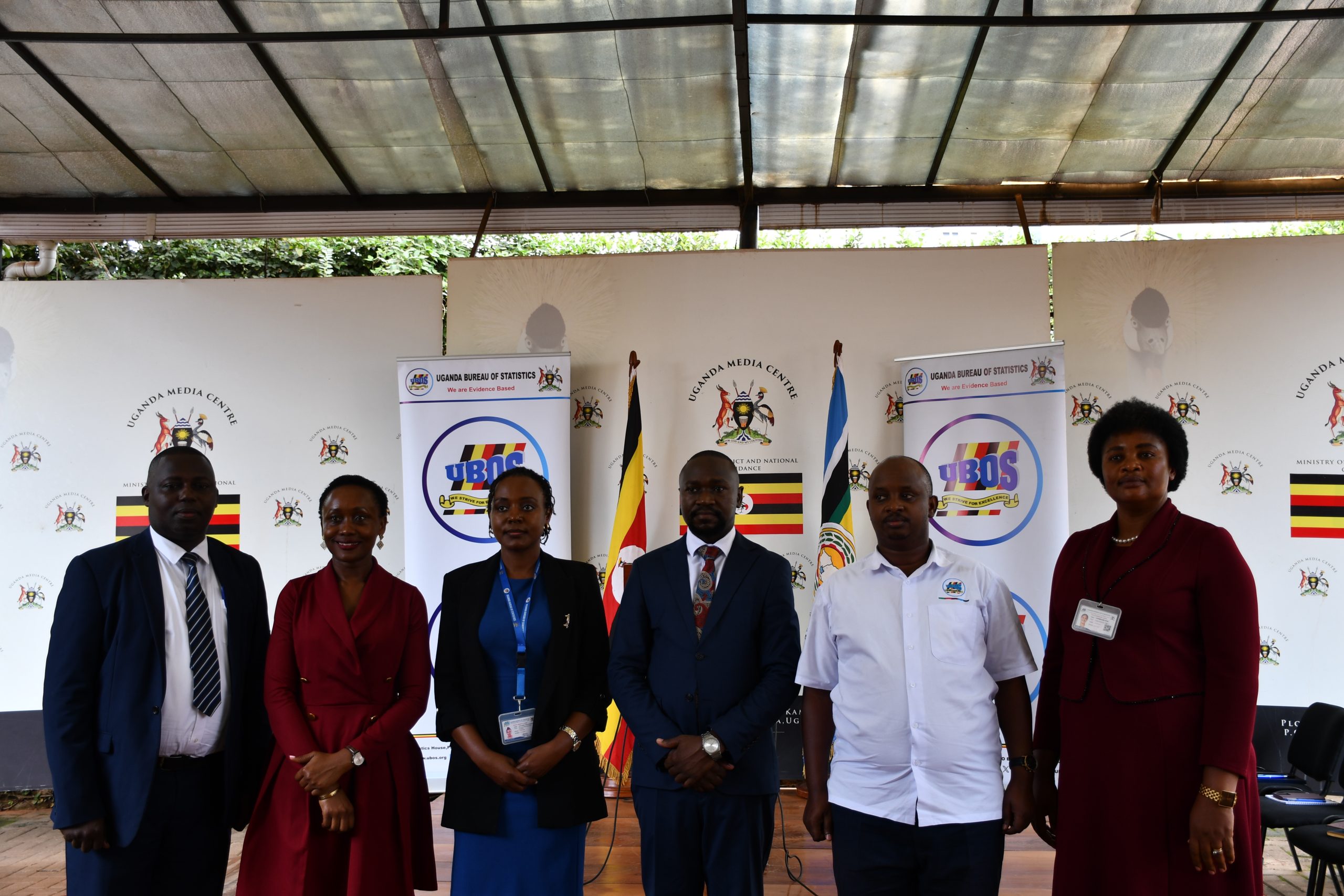
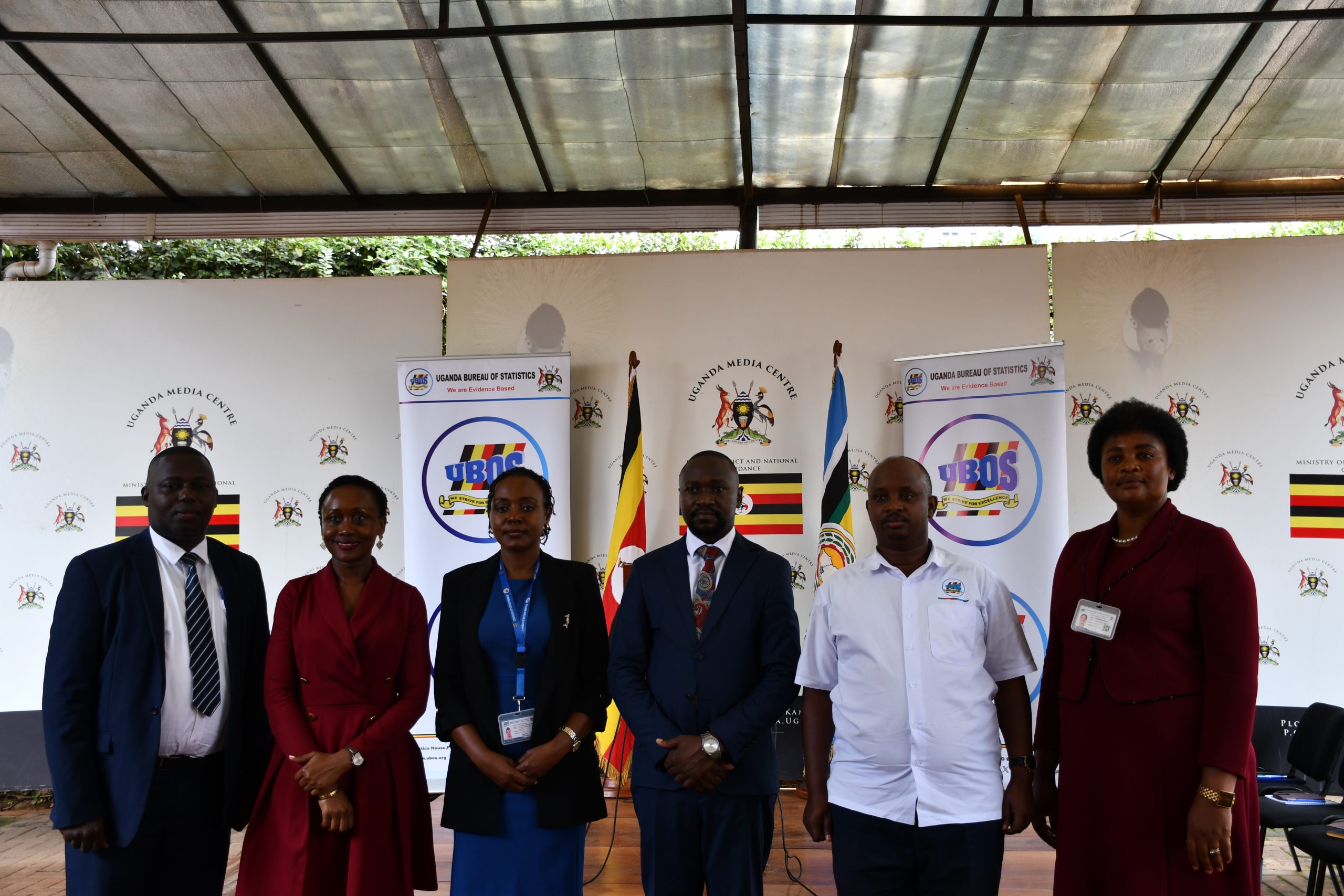
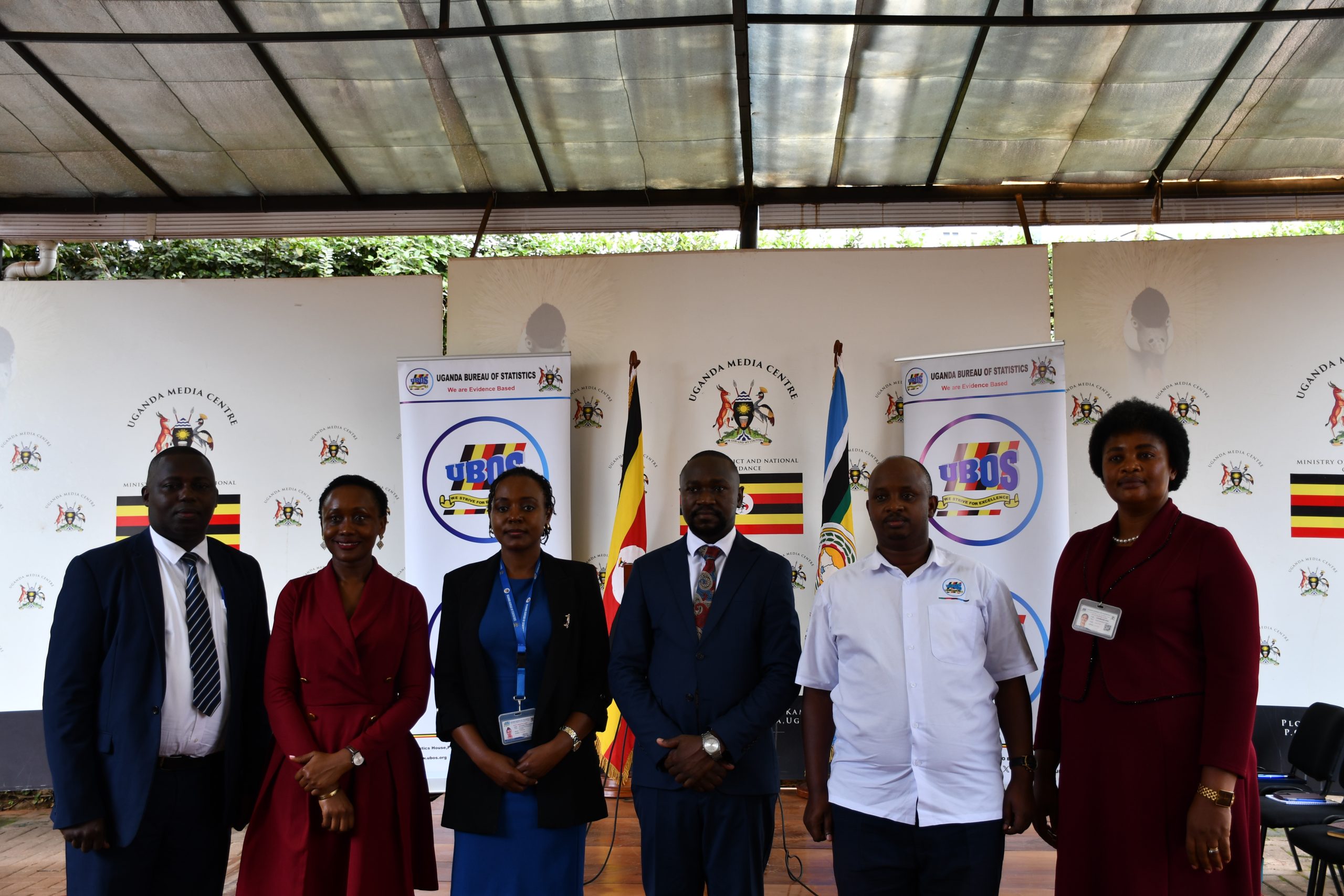
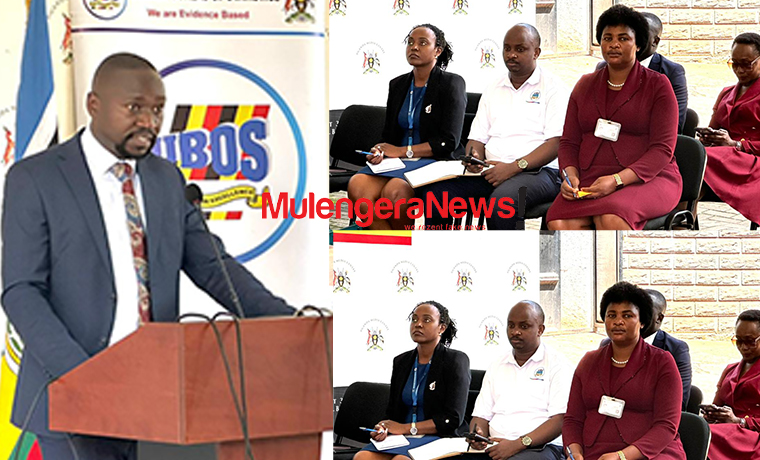
The release calendar was presented in Kampala by Didacus Okoth, the Principal Public Relations Officer at the statistics bureau. He delivered the statement on behalf of Chris N. Mukiza during a media briefing on Monday at the Uganda Media Centre.
Okoth explained that the bureau has designed a structured release calendar to ensure the country receives important data from surveys and censuses in an organized and timely manner. The releases will begin in March and continue through early May 2026, offering a steady stream of information meant to guide national planning and decision making.
The first major report expected to attract national attention will be the Uganda Malaria Indicator Survey 2025, scheduled for release on March 12. Malaria remains one of the leading causes of illness and death in Uganda, and the report is expected to provide updated figures on infection levels, prevention efforts and control measures being implemented across the country.

The survey was launched in 2024 with the involvement of the Ministry of Health and several development partners. The findings are expected to help health planners better understand how the disease is spreading and how interventions are working in communities.
A week later, on March 19, the bureau will release the Orphans and Other Vulnerable Children Census Monograph. The report focuses on children who have lost one or both parents or who live without adequate care and protection. The data will highlight the difficulties such children face in accessing key services including education, health care and social support.
According to UBOS, the statistics will also examine the situation of children living in refugee settlements and those facing severe social and economic hardships. The report is expected to guide government agencies and organizations that support vulnerable children.

On March 26, the bureau will unveil the Multidimensional Poverty Index Census Monograph. This report explores poverty beyond income levels. Instead of measuring poverty only by money, it examines conditions such as lack of proper sanitation, poor housing, overcrowding and limited access to education and essential services.
The findings are expected to reveal deeper patterns of deprivation affecting families in both urban and rural areas.
In April, the spotlight will turn to education, employment and national skills development. On April 9 the Baseline Education Census Report will present detailed data on school infrastructure, staffing levels and student enrollment across the country’s education system.
The Labour Market Survey Report scheduled for April 16 will focus on employment trends and the structure of Uganda’s workforce. Analysts expect the survey to provide important insights into job opportunities, labour participation and the challenges facing job seekers.
Another key report will follow on April 23 with the National Human Resource Survey. This study will examine the skills produced by universities and other higher education institutions, helping the country understand how graduates fit into the labour market.
Later in the month, attention will shift to agriculture with the Uganda Aquaculture Census Report scheduled for April 30. The report will provide a comprehensive picture of fish farming across Uganda, including fish species farmed and the different production methods used in ponds and cages.
The final release in the series will come on May 7 with the Uganda Harmonized Indicator Survey. This report will present a broad overview of household living standards and conditions across the country, highlighting how families live and the challenges many communities continue to face.
All reports will be made available to the public through the official website of the statistics bureau once they are released.
With the calendar now in motion, the coming weeks are expected to place Uganda’s national data firmly in the spotlight as leaders, researchers and citizens watch closely for the insights hidden in the numbers. (For comments on this story, get back to us on 0705579994 [WhatsApp line], 0779411734 & 041 4674611 or email us at mulengeranews@gmail.com).