






 By Mulengera Reporters
The Uganda Industrial Research Institute (UIRI) has continued to attract global industrial players eager to tap into our local growing manufacturing potential.
Among the latest is RIELA, a German family-owned company with a footprint across Europe and Africa, now formally working with UIRI to localize the production of agro-machinery in Uganda.
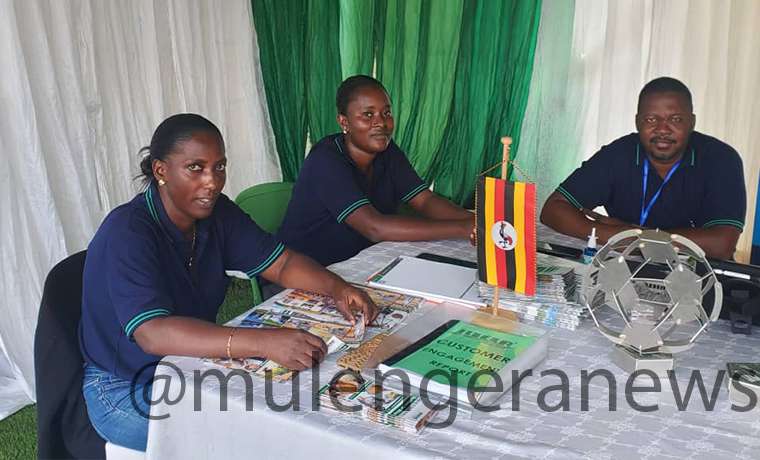
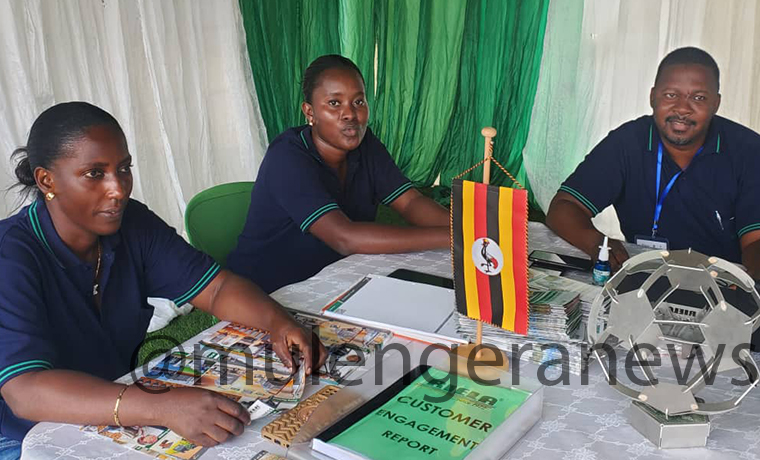
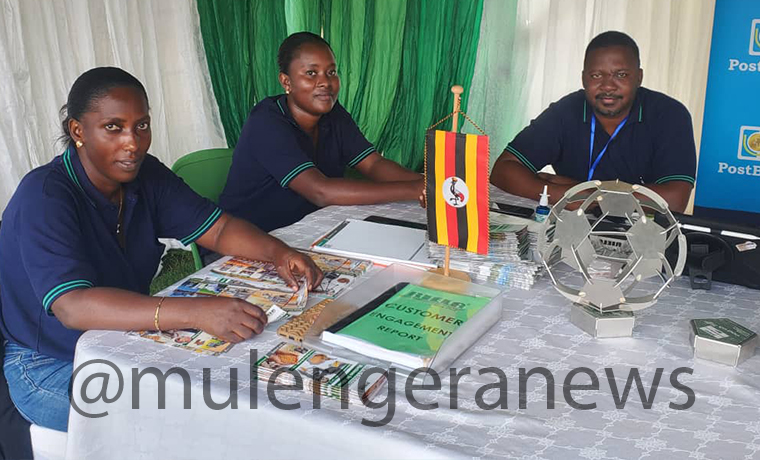
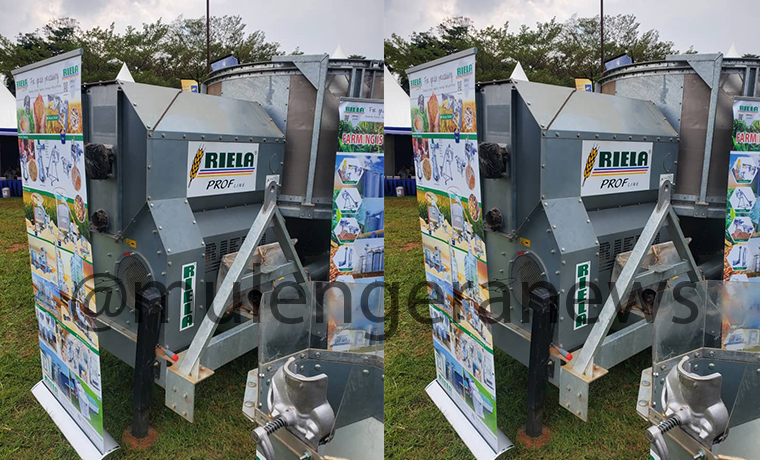
When we visited the “Buy Uganda, Build Uganda (BUBU) Expo” at Kololo Ceremonial Grounds on Friday, we spoke to Mr. Godfrey Marange, the African Sales and Planning Officer of RIELA, who confirmed that the company had signed a Memorandum of Understanding (MoU) with UIRI to jointly produce modern agricultural machines in Uganda, starting with maize shellers.
Founded in 1972 and headquartered in Riesenbeck, Germany, RIELA has been producing grain processing equipment for decades, with established manufacturing presence in Eastern Europe, including Poland, Romania, Ukraine and Russia. Their entry into Uganda, through UIRI, signals a strategic shift.
According to Marange, Uganda offers a favorable industrial climate, as he described it as a “virgin market,” and noted that RIELA has been working on the continent since 2015 but sees far more potential in Uganda because of its unmet demand and strategic positioning.
Marange also said that 90% of their machines, made in Germany are exported, and what they want is to make the machines where the customers are, making the products accessible to customers, and Uganda provides that opportunity.
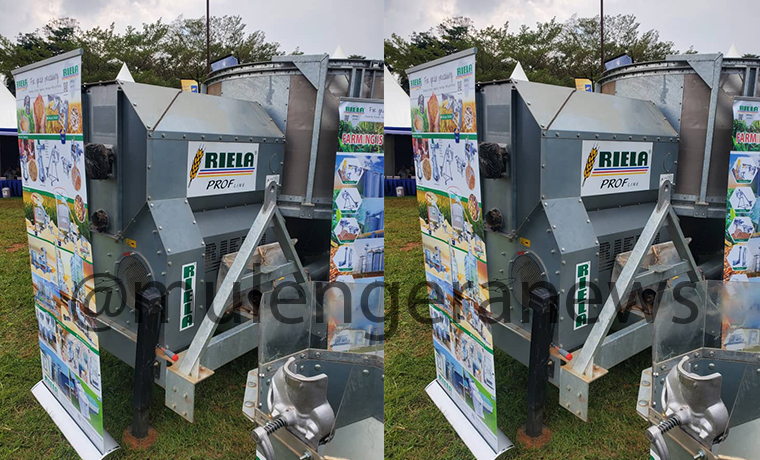
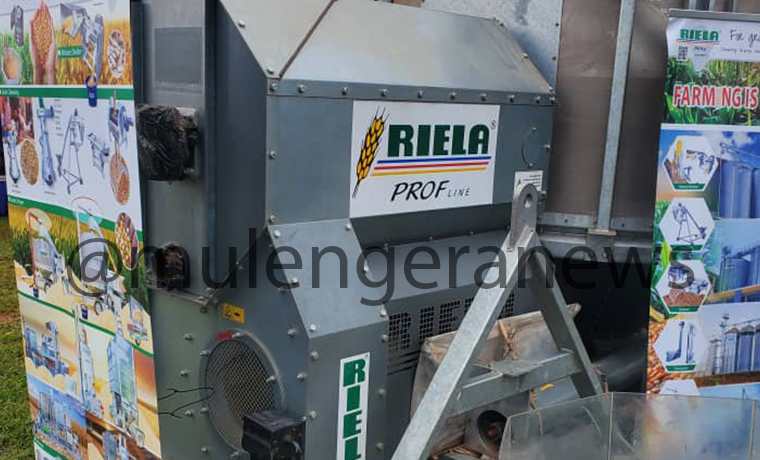
Through UIRI, RIELA has already co-developed a maize shelling machine, now being manufactured from UIRI’s premises at Namanve Industrial and Business Park. The machine smartly removes maize corn from the cob, a game-changer for smallholder and medium-scale farmers across the country.
Under normal circumstances, such a machine would cost a farmer at least 2,750 Euros if imported from Germany (before shipping and taxes). But now that it’s produced locally at UIRI, the price is expected to significantly reduce, making the equipment more accessible to Ugandans.
Marange also told us that their next joint venture with UIRI will be to manufacture a grain drying machine which cleans at the same time, which is crucial in reducing post-harvest losses and improving grain quality, believing that such equipment will position Ugandan agro-products more competitively on both regional and international markets.
“Once we’re producing drying machines here, farmers can maintain higher quality. This affects the market value of maize and other grains. The aim is not just access, but value,” he noted.
The machinery RIELA specializes in (shelling, cleaning, storage and feed mills) is crucial to Uganda’s push for agro-industrialization. Previously, RIELA would manufacture outside Uganda and assemble locally. But with this new partnership, the entire production process is being localized.
There are even ambitions to start exporting Uganda-made machines to the African region.
“Why should a buyer from Africa order a sheller from Germany and yet that they can get the same quality sheller from Uganda?” Marange asked, adding that it’s a bold but realistic vision that could reverse the import-export trend, positioning Uganda as a manufacturing hub for specialized agricultural equipment.
According to Marange, the local assembly and production model means job creation at every stage of the project lifecycle. Depending on project size, between 10 to 30 local workers are employed, ranging from technicians and welders to fabricators and machine operators.
Additionally, the transfer of skills from German engineers to Ugandan technicians will be achieved. Marange explained that German experts will continue to work side-by-side with Ugandan teams at UIRI. And over time, the knowledge gained will remain with the local workforce, fostering sustainability and building a homegrown industrial talent pool.
Indeed, UIRI’s decision to partner with RIELA is in line with its broader vision of empowering Uganda’s youth and technical workforce through innovation, incubation and industrial collaboration. The institute continues to serve as a cradle for both homegrown and international industrial development initiatives.
The maize shelling machine co-produced with RIELA is just the beginning, because UIRI officials say more innovations are in the pipeline as international partners see the value of working within Uganda’s locally enabling frameworks.
RIELA’s belief in the potential of Uganda’s young industrial ecosystem speaks volumes about UIRI’s growing global reputation. The institute has positioned itself as a trusted gateway for industrial excellence and global investment.
The collaborative projects are also expected to reduce the risks associated with poor post-harvest handling, such as aflatoxin contamination, which has previously hindered Uganda’s grain export potential, and by cutting post-harvest losses and improving the quality of food storage. Such innovations contribute not just to better farming practices, but to national food security, health, and economic development.
In essence, this partnership is about access, affordability, technology transfer and long-term sustainability (core pillars in Uganda’s journey toward industrial self-reliance). And as Uganda eyes the middle-income dream and a larger role in regional trade, initiatives like the RIELA–UIRI partnership could help unlock a future where the machines driving Uganda’s agro-industrial sector are not just bought, but built, on home soil. (For comments on this story, get back to us on 0705579994 [WhatsApp line], 0779411734 & 041 4674611 or email us at mulengeranews@gmail.com).