





By Mulengera Reporters
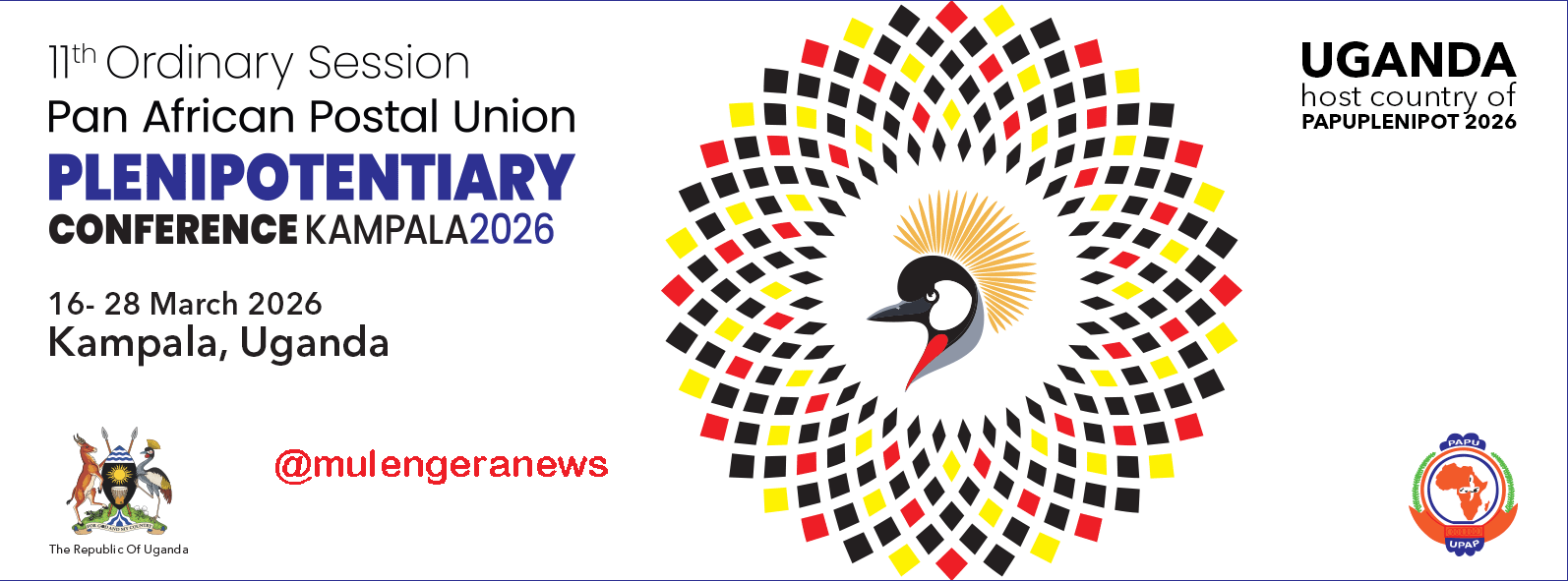
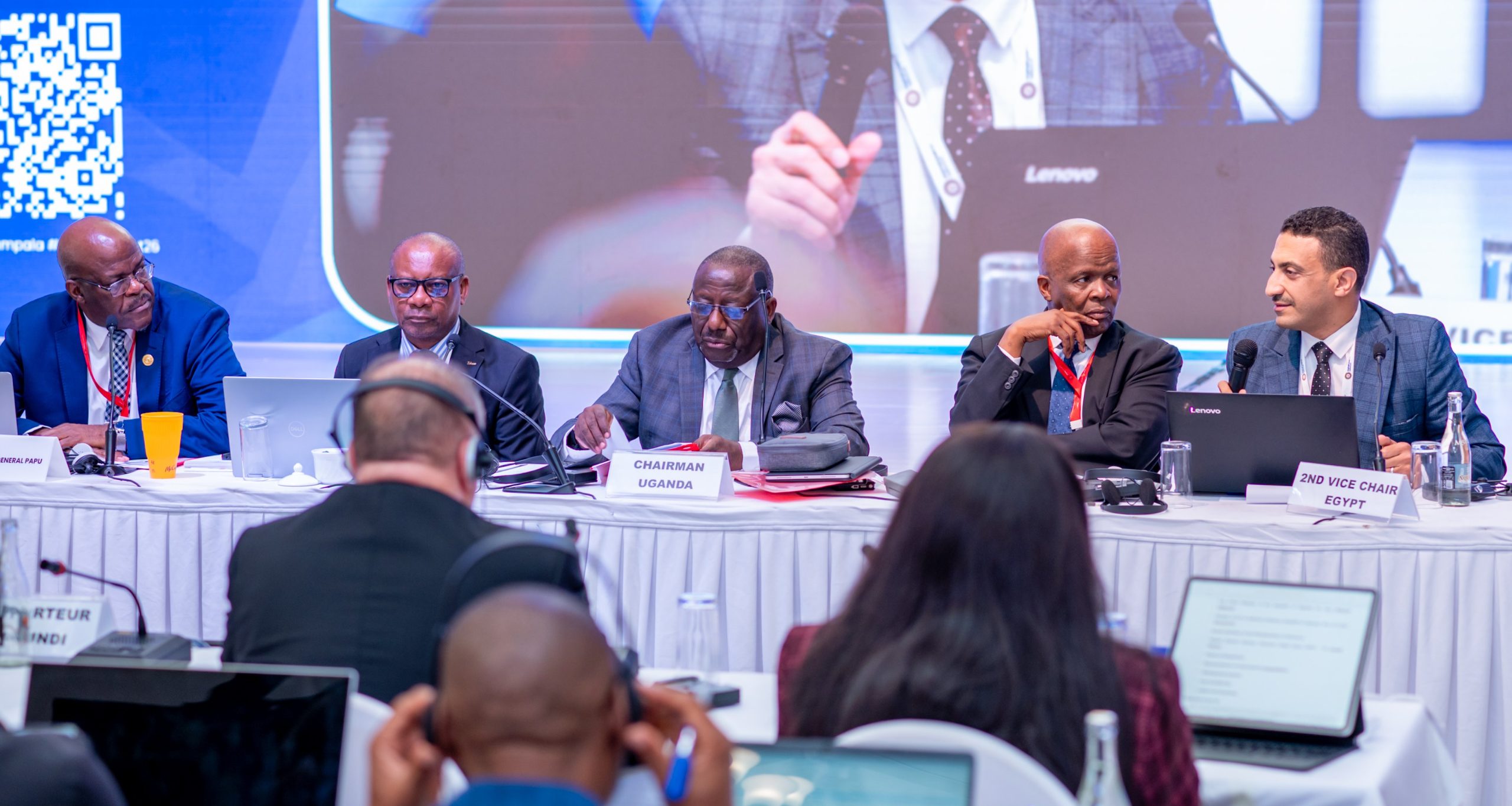
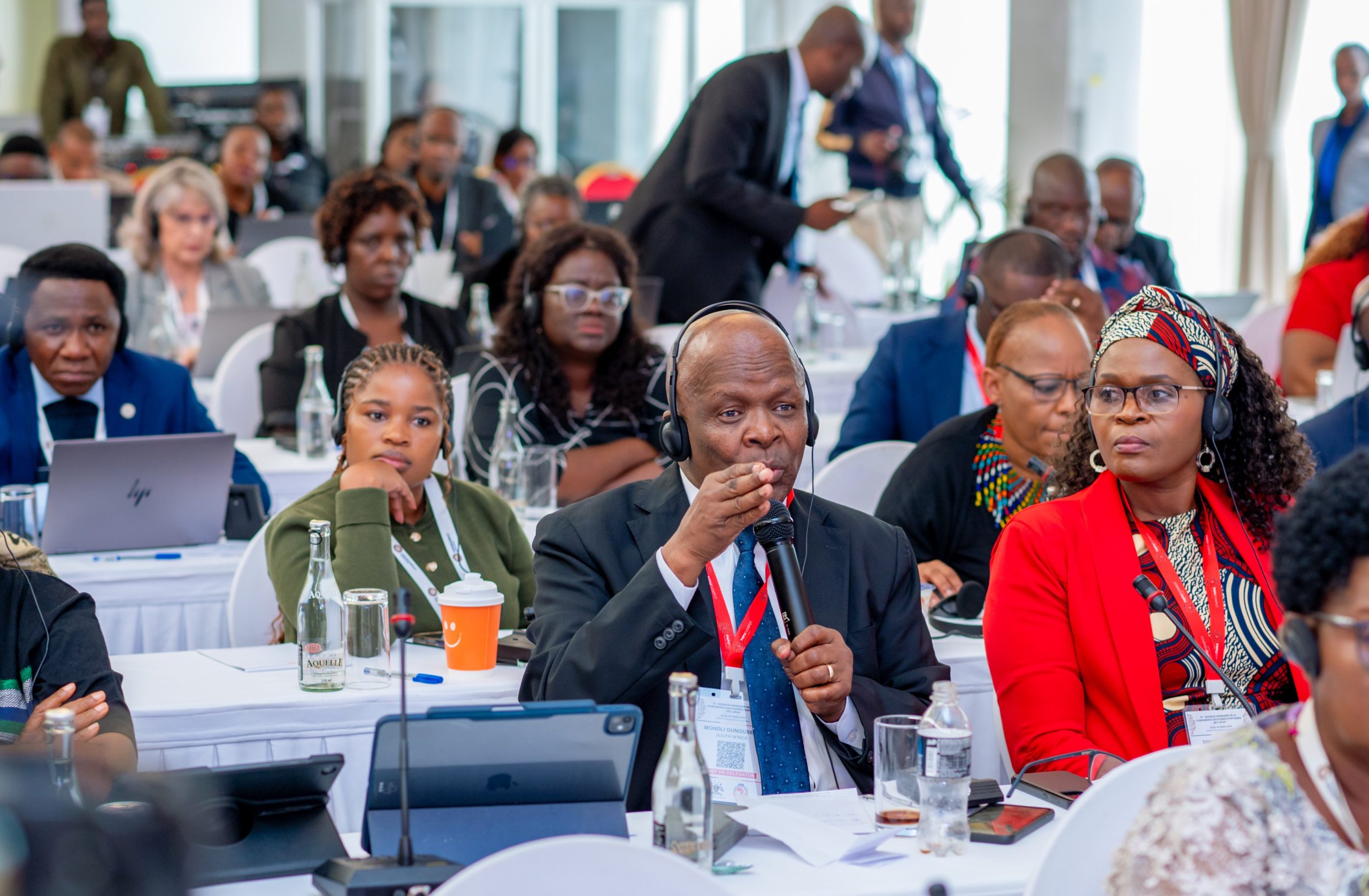
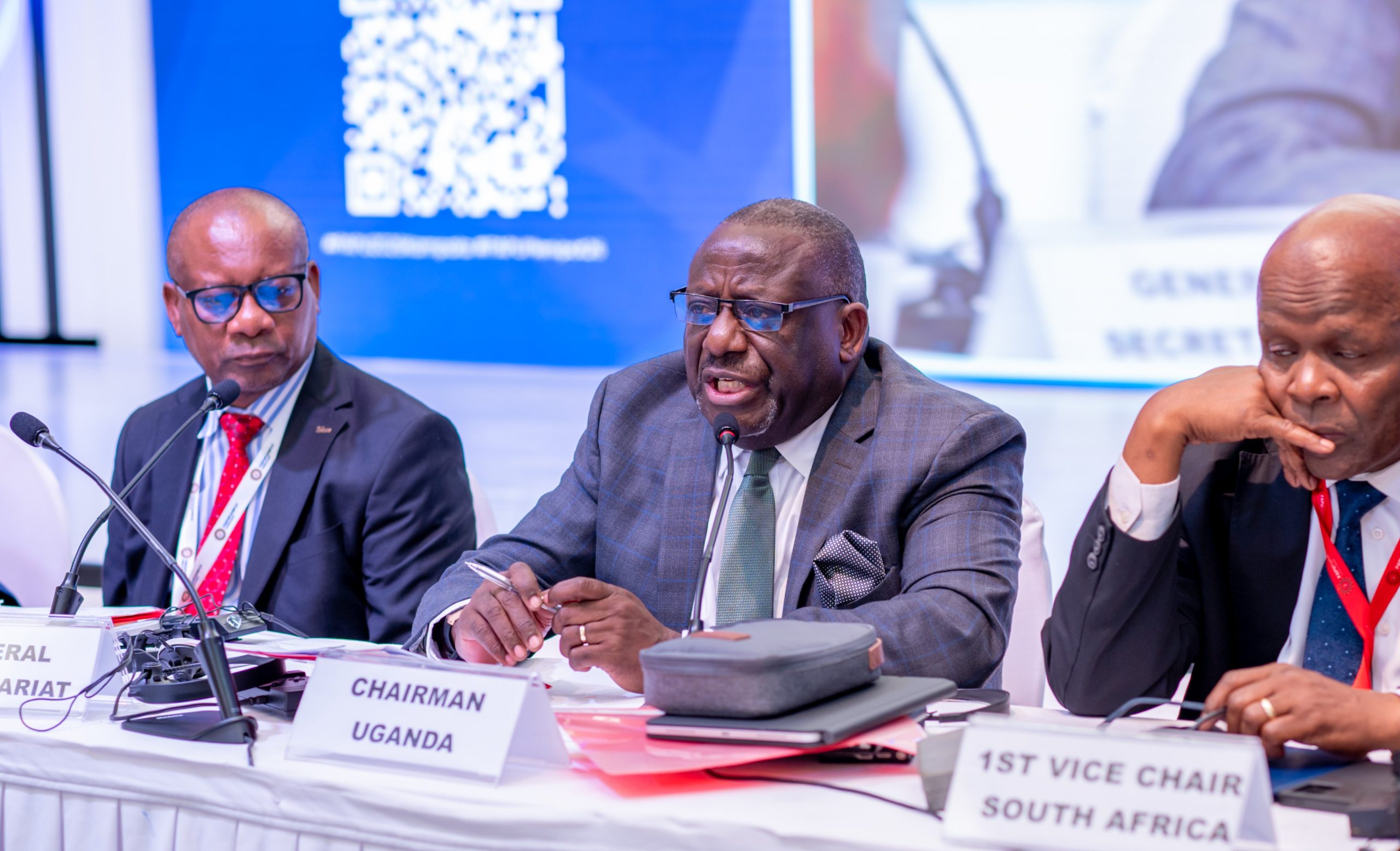
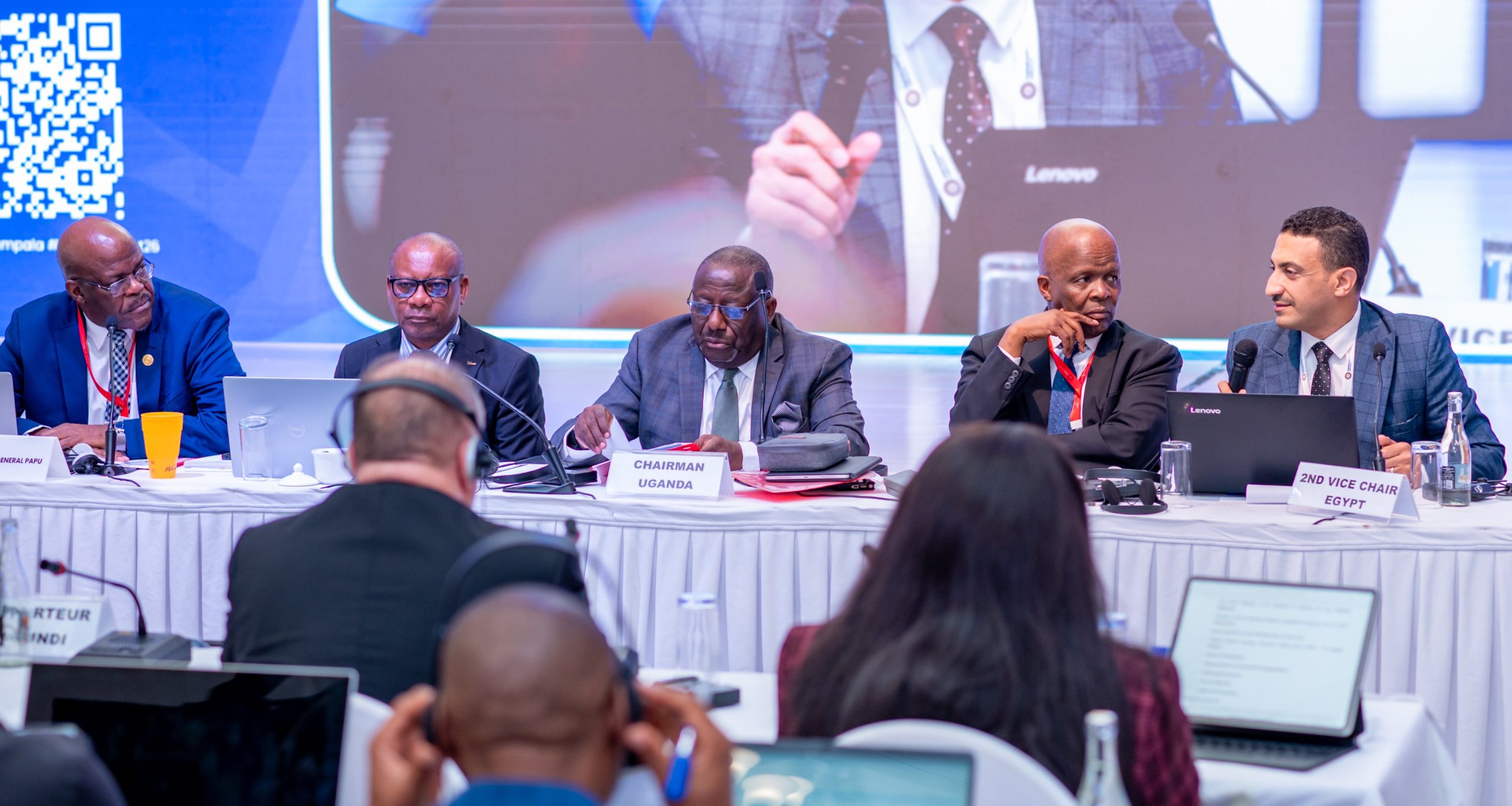
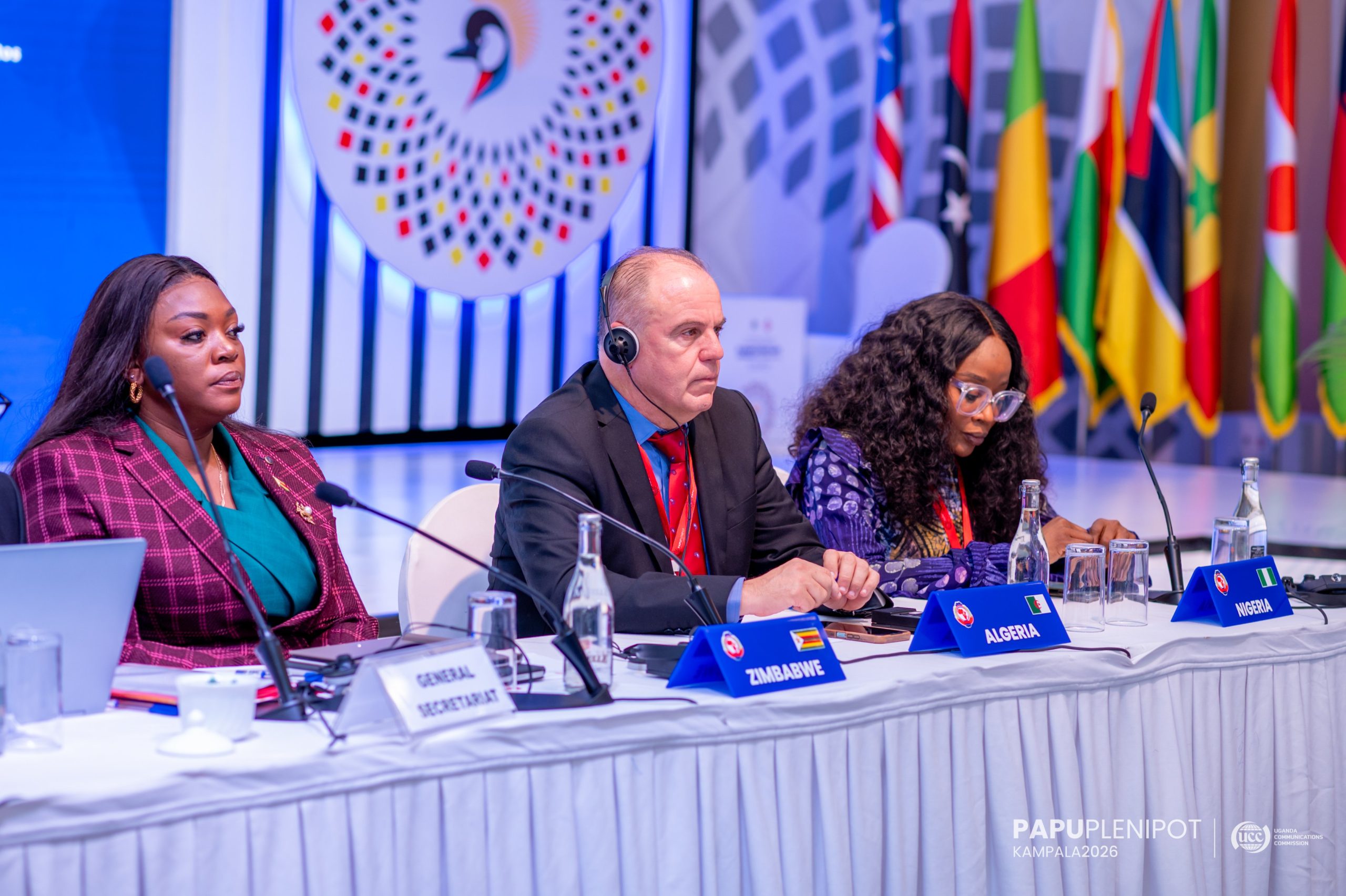
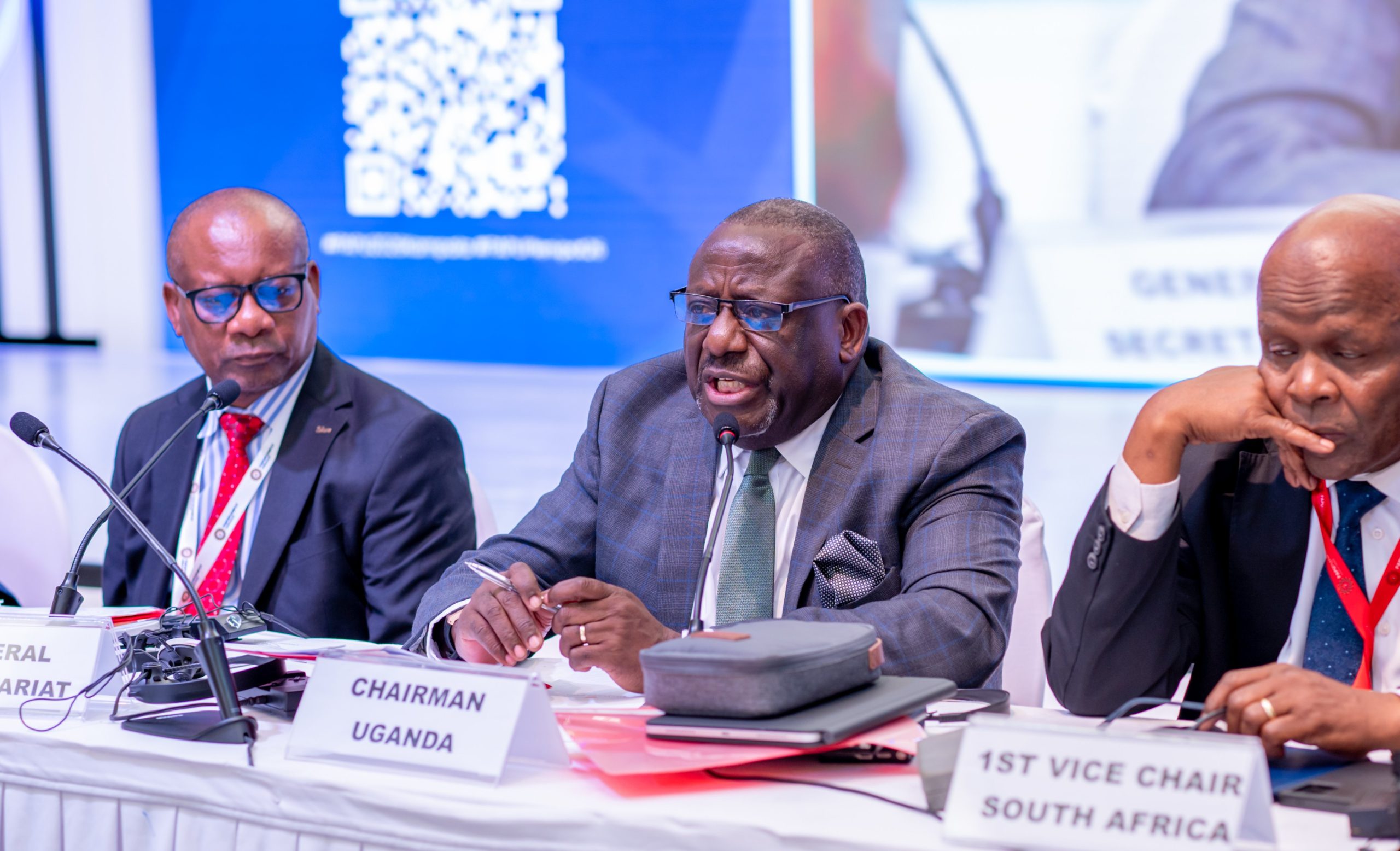
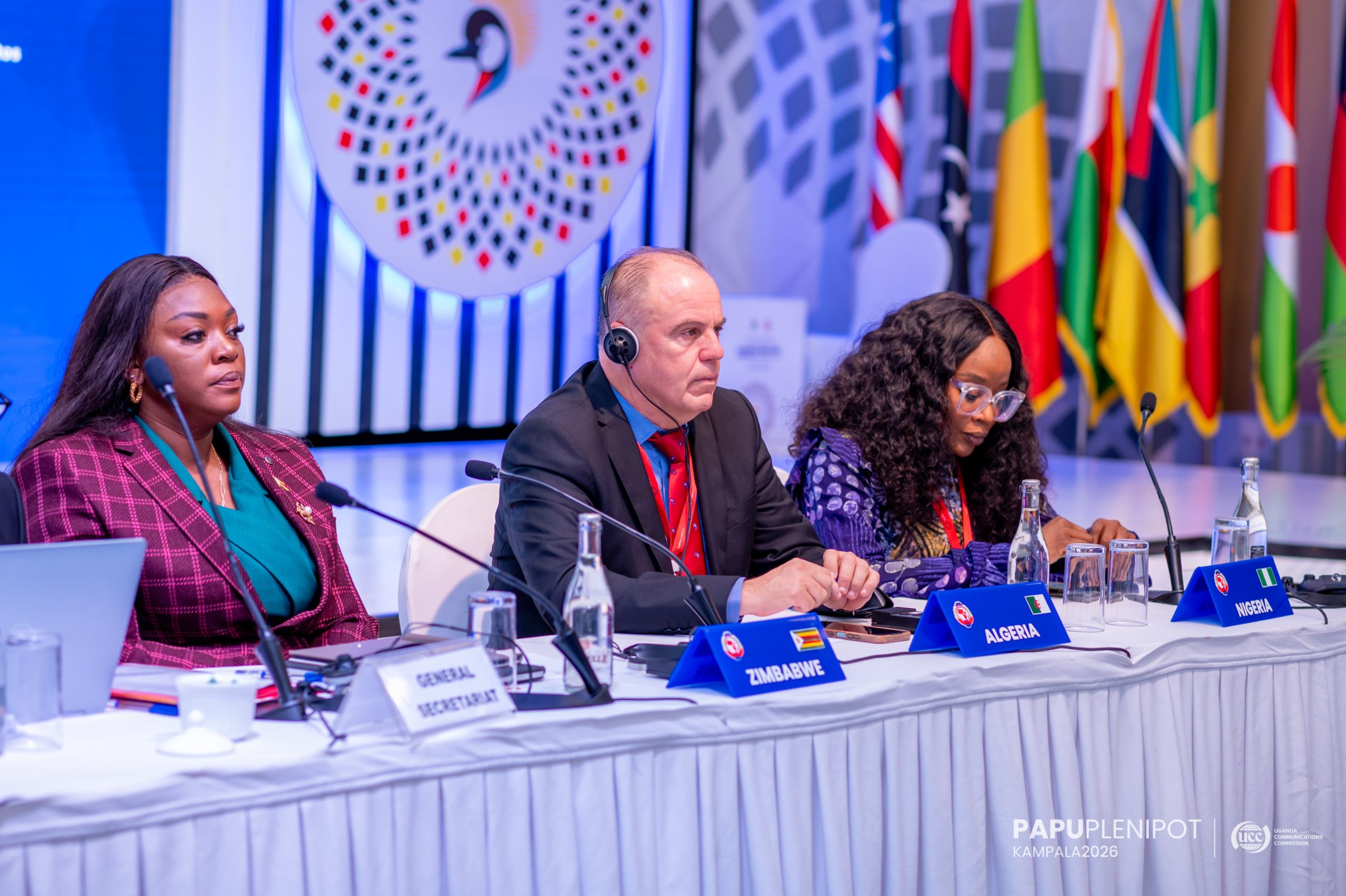
Uganda has stepped into the continental spotlight after officially taking over the chairmanship of the Pan African Postal Union Plenipotentiary Conference for the 2026–2030 cycle, marking a bold new chapter in Africa’s communication and digital transformation race.
The powerful position is held by the Minister of ICT and National Guidance, Hon. Dr. Chris Baryomunsi, placing Uganda at the center of critical decisions shaping postal and digital systems across the continent. At the ongoing 11th Ordinary Session of the Conference, the Minister is being represented by Hon. Nyombi Thembo, Executive Director of the Uganda Communications Commission, who is actively steering Uganda’s agenda on the ground.
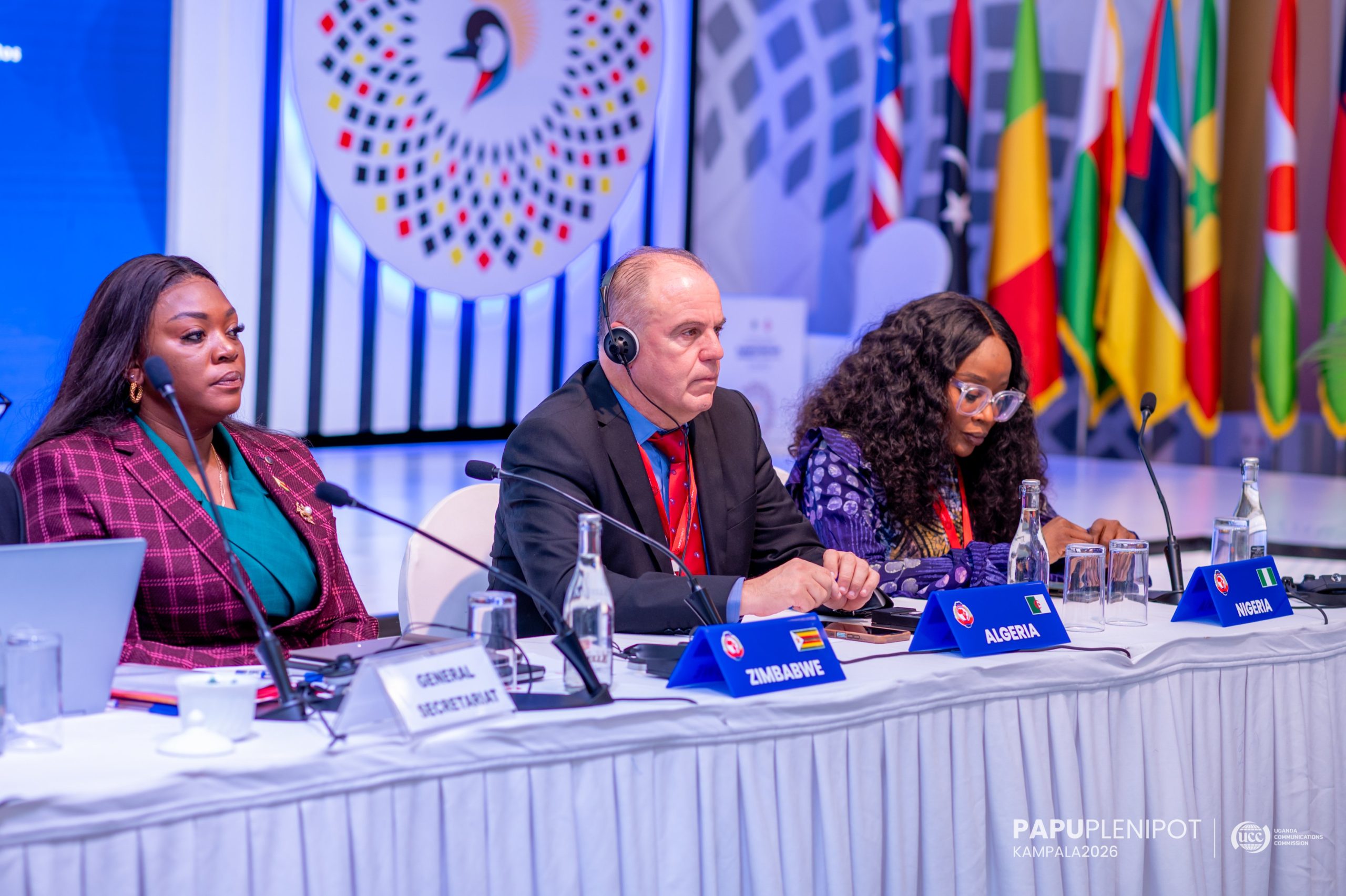
Uganda’s rise comes after Zimbabwe’s four-year leadership under Hon. Tatenda Mavetera, Minister of ICT, Postal and Courier Services of Zimbabwe, a tenure widely recognized for maintaining stability and commitment within the Union. Now, the baton has been passed, and expectations are soaring.
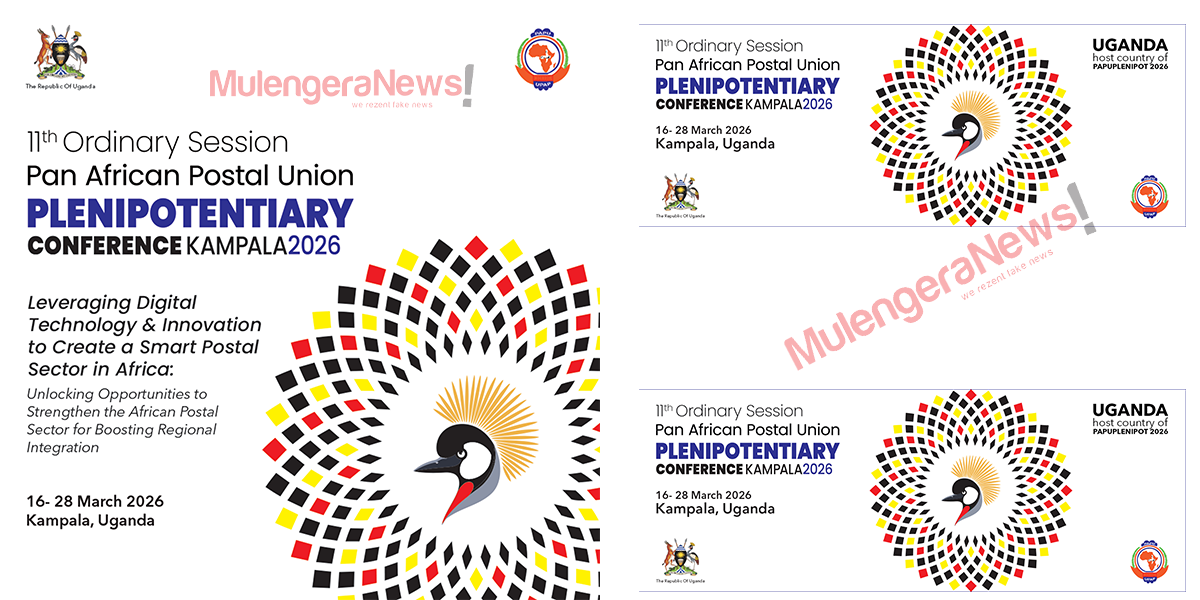
With this new responsibility, Uganda is signaling a determined push to influence Africa’s digital future. The country is stepping forward with a clear mission to modernize postal networks, boost connectivity, and unlock new opportunities for trade across borders. The leadership role places Uganda in a strategic position to drive conversations that could reshape how African nations communicate and do business.

Behind the scenes, this shift is more than ceremonial. It represents growing confidence in Uganda’s ability to lead at a continental level, especially in a rapidly evolving digital age. The country is expected to champion stronger systems that bridge gaps between traditional postal services and emerging technologies.
As Hon. Nyombi Thembo takes charge at the conference on behalf of Hon. Dr. Chris Baryomunsi, all eyes are on Uganda to deliver results that match the weight of this new role. The pressure is intense, but so is the opportunity.
With Africa pushing for deeper integration and faster digital transformation, Uganda’s leadership could not have come at a more critical time. The decisions made in this cycle may shape the future of communication, trade, and connectivity across the continent for years to come.