








 By BM
By BM
Uganda is facing a rapidly growing electronic waste (e-waste) challenge, with each person contributing an estimated 7.3 kilograms of e-waste annually.
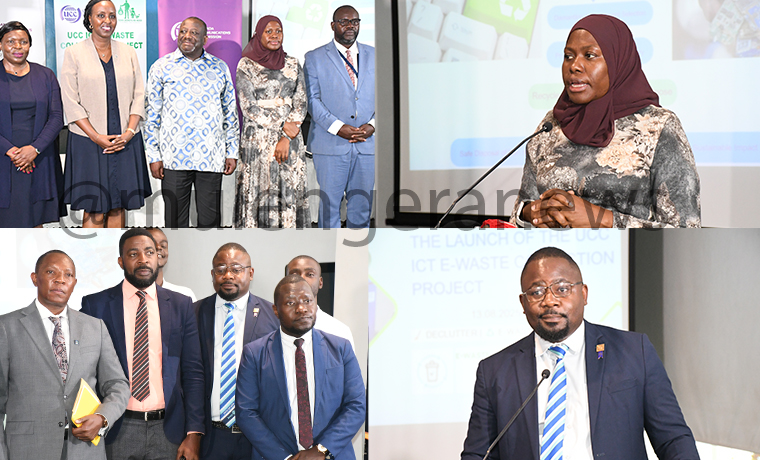
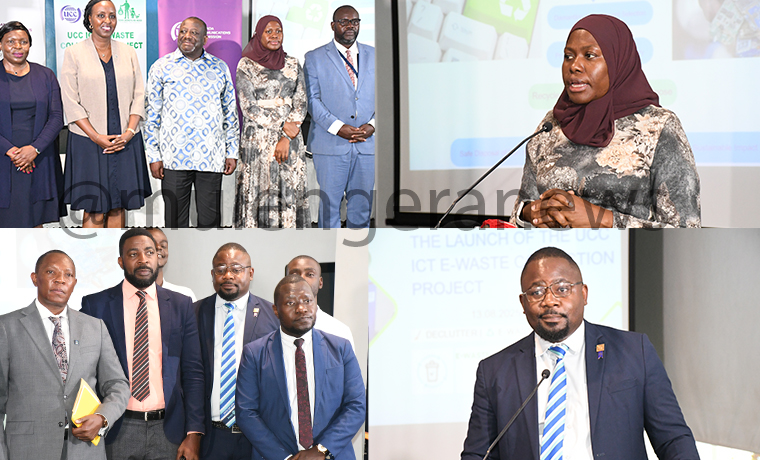
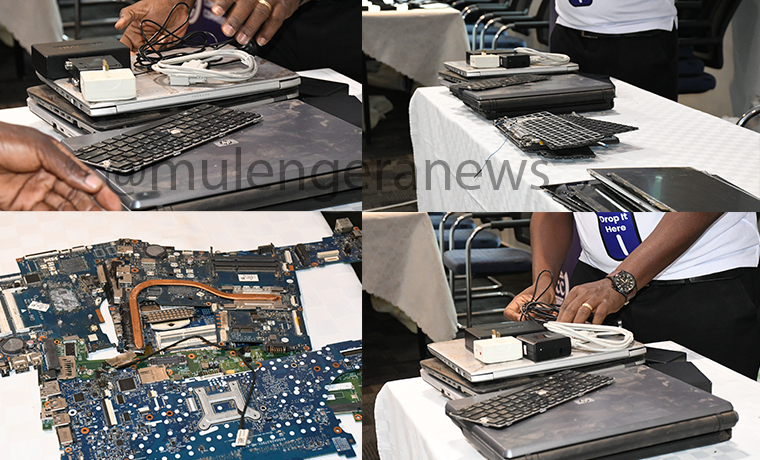
To address this urgent environmental and security concern, the Uganda Communications Commission (UCC), in partnership with the Ministry of ICT, Luwero Industries, the National Environment Management Authority (NEMA), and Kampala Capital City Authority (KCCA), has launched a pilot project aimed at enhancing the collection, safe handling, and disposal of electronic waste, especially from ICT devices.
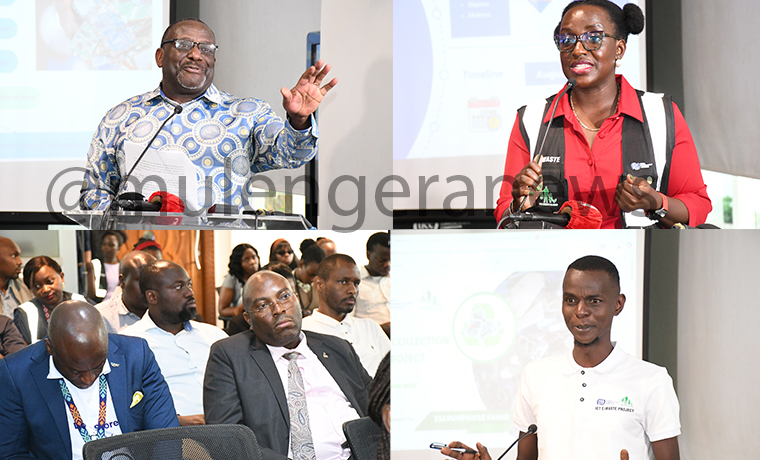
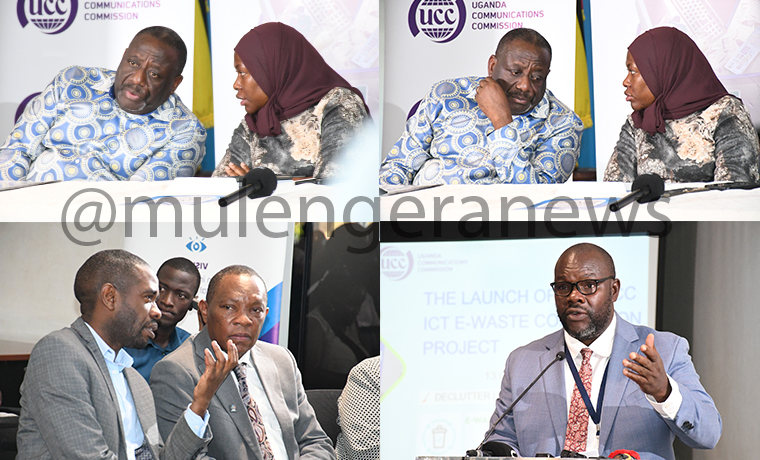
At the launch event, Hon. Nyombi Tembo, Executive Director of UCC, highlighted the complexity of the e-waste problem. “E-waste is not just about discarded devices; it carries sensitive data that, if not properly destroyed, can be exploited,” Tembo warned.
He described e-waste as one of the fastest-growing waste streams globally, driven by rapid technological advances, shorter device replacement cycles, and consumer demand for the latest gadgets.

Tembo emphasized the scale of the challenge in Uganda: “We generate an estimated 41 million kilograms of e-waste annually, but only a fraction 0.2 million kilograms is formally collected and recycled.

This gap poses significant risks to our environment, public health, and national security.” He urged Ugandans to dispose of old phones, cables, and other electronics responsibly, noting that improper disposal releases toxic substances like lead and mercury that cause cancer, respiratory diseases, and environmental contamination.
Addressing the threat of counterfeit ICT devices, Tembo revealed that UCC has developed the capacity to detect and eventually deactivate counterfeit funds on the network.
While this will happen gradually after extensive sensitization, the move aims to protect both the integrity of Uganda’s communications networks and public safety.


Joseph Bigere, UCC’s Director of Engineering and Communication Infrastructure, elaborated on the technical and environmental aspects of the initiative.
“Before any device is dismantled or recycled, stringent data sanitization protocols are enforced to ensure all sensitive information is irretrievably destroyed,” he explained. “This protects institutional confidentiality, personal privacy, and national security.”
Bigere also stressed the environmental hazards inherent in e-waste, such as heavy metals and persistent organic pollutants, which threaten biodiversity, soil, water, and air quality. “Effective e-waste management is crucial to addressing global crises like pollution, biodiversity loss, and climate change,” he added.
Representing Luwero Industries, Mr. Stanley Ndyabahike, Team Leader Waste Management and Finance Manager, detailed the company’s pivotal role as a nationally designated e-waste facility operating under the National Enterprise Corporation Act of the EPDF.
“Our responsibility extends beyond recycling,” Ndyabahike said. “We ensure that all ICT equipment with storage capacity is securely handled, with rigorous data sanitization processes to prevent any risk of data recovery or misuse.”
He highlighted Luwero Industries’ extensive experience in hazardous waste management since 1994, including work in the oil and gas sector an area of high environmental sensitivity and national security concern. “E-waste is a security-sensitive resource, not just waste,” Ndyabahike emphasized.
Despite having collected and safely managed about 150 metric tonnes of e-waste so far, Ndyabahike admitted that collection levels remain far below what is needed given the rapid increase in electronic waste.
He outlined the pilot project’s key activities: secure collection and processing of ICT equipment, enforcement of data destruction, safe dismantling and material recovery, proper disposal of non-recyclable waste, and public awareness and training initiatives to build trust in the system.
The project also aligns with Uganda’s broader goal of transitioning to a circular economy recovering valuable materials from discarded electronics to minimize environmental harm and create economic opportunities.
Ndyabahike invited stakeholders and the public to visit the upcoming national e-waste facility under development on Wailunda Street, expected to be operational by next year, and announced plans to expand the Kampala collection center. “We want to make e-waste disposal easy, accessible, and compliant with international standards,” he said.
This collaborative effort between UCC, Luwero Industries, NEMA, and KCCA represents a strategic investment in Uganda’s environmental protection and national security.
Together, they are committed to transforming the growing threat of e-waste into an opportunity for sustainable development and a cleaner, healthier future for all Ugandans.