






By BM
Uganda has taken a major step in tackling digital pollution with the launch of a national pilot project aimed at promoting the recycling and responsible disposal of electronic waste (e-waste).
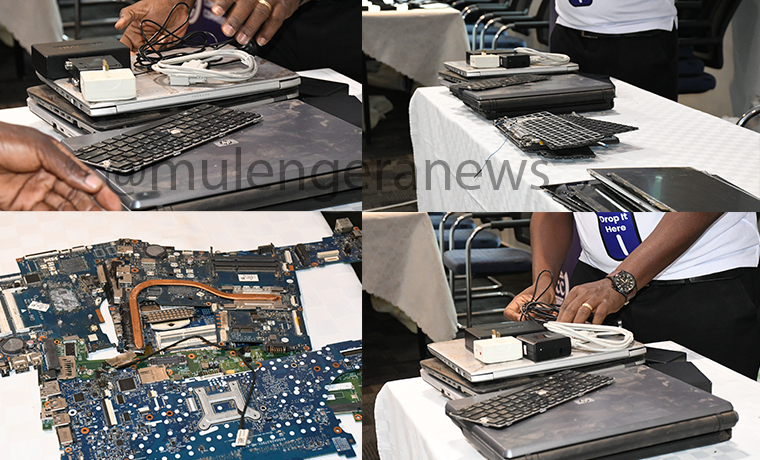
The project, led by the Ministry of ICT and National Guidance in partnership with the Uganda Communications Commission (UCC), seeks to introduce structured collection, refurbishment, and awareness efforts around obsolete and damaged ICT equipment.
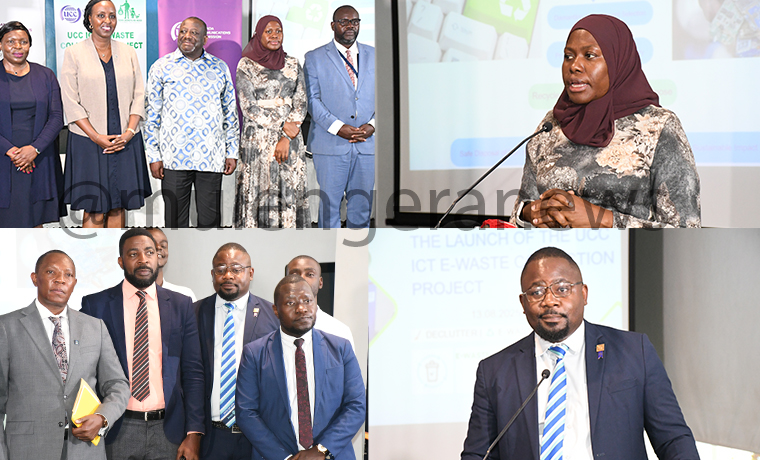
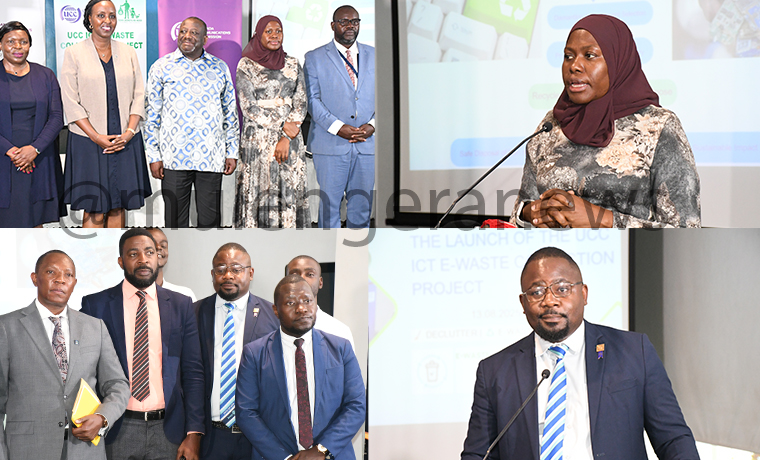
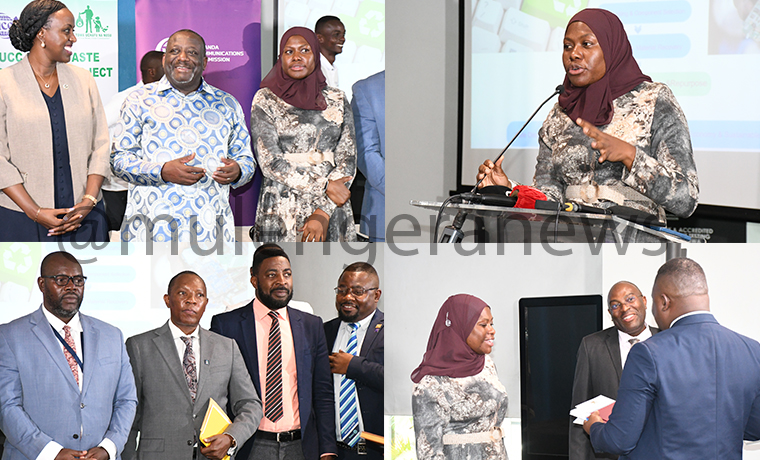
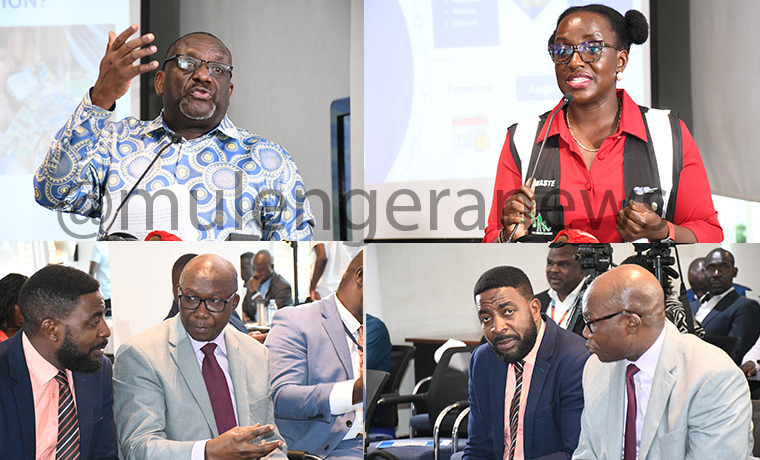
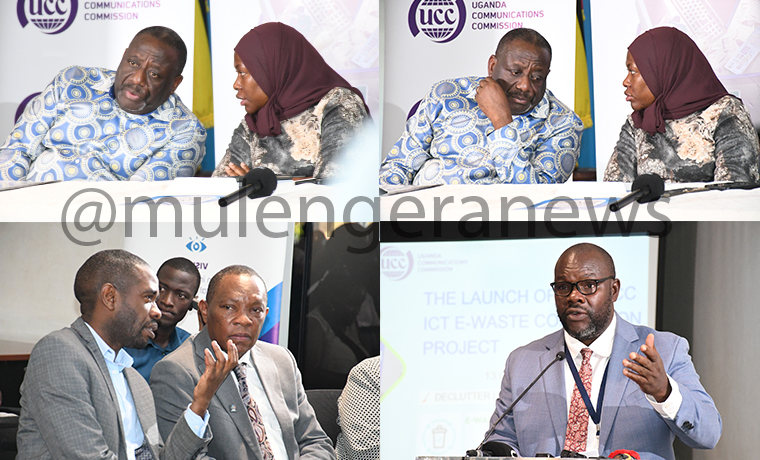
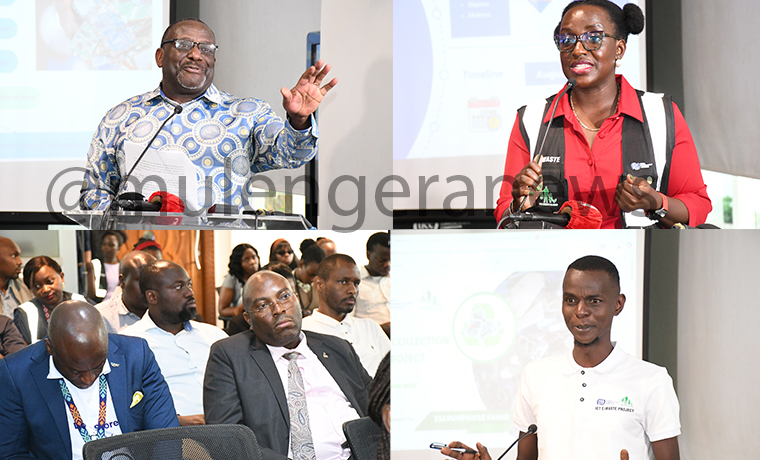
The initiative was officially unveiled during a launch event held in Kampala, where officials described the move as a critical intervention to address the growing volume of unused computers, smartphones, and other digital devices that are often abandoned in schools, homes, and offices without proper disposal mechanisms.
According to the Permanent Secretary at the Ministry of ICT, Dr. Amina Zawedde, the government had for years distributed ICT equipment across the country but had not adequately planned for what happens when those devices become obsolete.

She noted that many computers issued to schools were no longer in use due to breakdowns, yet they continued to occupy storerooms with no clear strategy for disposal or recycling.
Zawedde said the new pilot project was designed to address this gap by not only facilitating safe disposal but also by creating avenues for refurbishment, which could see old devices restored and resold at more affordable prices, particularly for communities and institutions that cannot afford brand new gadgets.
Three-District Rollout and Community Involvement: The pilot will initially be rolled out in Kampala, Mpigi, and Wakiso, where designated public drop-off bins for e-waste will be installed.


Officials explained that the pilot would also include community collection drives and public awareness campaigns to educate Ugandans on safe e-waste handling and the importance of data sanitization before disposal.
During the launch, experts demonstrated how devices could be safely wiped of sensitive data, addressing common fears among users about data breaches or misuse of personal information.
Zawedde reportedly pointed out that many people are reluctant to dispose of old devices due to such concerns, despite the availability of modern tools and standards that ensure secure data removal.
A Multi-Sector Approach: The e-waste project is being implemented under the Digital Transformation Programme, and involves multiple stakeholders across government, including the National Environment Management Authority (NEMA), Kampala Capital City Authority (KCCA), the Ministry of Water and Environment, the Ministry of Works and Transport, Luweero Industries, as well as private sector players and development partners.
Officials said the collaboration was essential given the cross-cutting nature of waste management, with Zawedde emphasizing that e-waste affects sectors beyond ICT, including health, education, trade, and environment.
She urged all stakeholders to work together as a unified government rather than in isolated efforts.
Policy Review and Future Plans: Government representatives indicated that while Uganda already had an e-waste policy adopted in 2012, it was now outdated and under review.
Zawedde explained that the revised policy would better reflect the current technological landscape and include updated guidelines for collection, refurbishment, recycling, and enforcement.
She further noted that the pilot project would run for 18 months, during which progress would be monitored by a steering committee under the Digital Transformation Working Group.
A proposal to form a technical working group specifically for e-waste is also being considered, to coordinate long-term planning and implementation across sectors.
Education, Translation, and Innovation: Officials at the event acknowledged the challenges of sensitizing the public, especially in a country with over 50 local languages.
Zawedde reportedly highlighted recent innovations in AI-powered translation apps, which she said had already enabled real-time interpretation into at least 15 local languages a promising step in ensuring that e-waste awareness campaigns reach all communities.
She also stressed the importance of engaging the media, not just to report on the launch, but to continue educating the public on the dangers of improper disposal and the opportunities within e-waste management.
A Regional and Global Concern: Zawedde revealed that Uganda’s initiative aligns with broader regional efforts under COMESA, and that other countries across Africa were grappling with similar challenges.
She expressed optimism that Uganda’s pilot would serve as a model for regional collaboration on e-waste solutions.
Officials warned that the improper disposal of electronic waste could have serious health and environmental consequences, with Zawedde citing the increasing number of cancer cases as one potential concern, though she acknowledged that more research was needed.
She urged Ugandans to begin by decluttering their homes and communities, arguing that e-waste management should become a shared national responsibility.
Conclusion and Call to Action: The Permanent Secretary concluded the launch by calling on all stakeholders from government and academia to the private sector and civil society to work collectively to scale the pilot project and ensure its sustainability.
She said the project would not only help Uganda manage its electronic waste, but also open up opportunities in refurbishment, innovation, and green jobs.
“Let us declutter e-waste today,” she said, as she officially declared the pilot project launched at the Uganda Communication Commission (UCC).