





By Ben Musanje
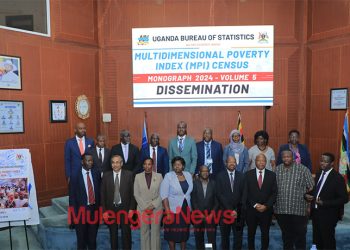
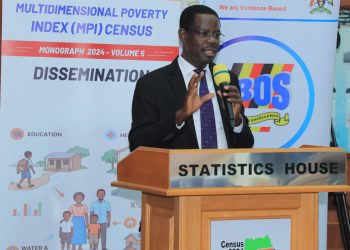
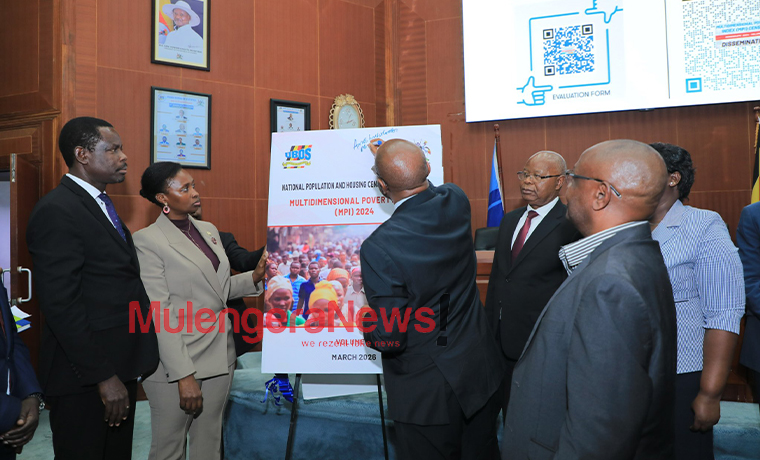
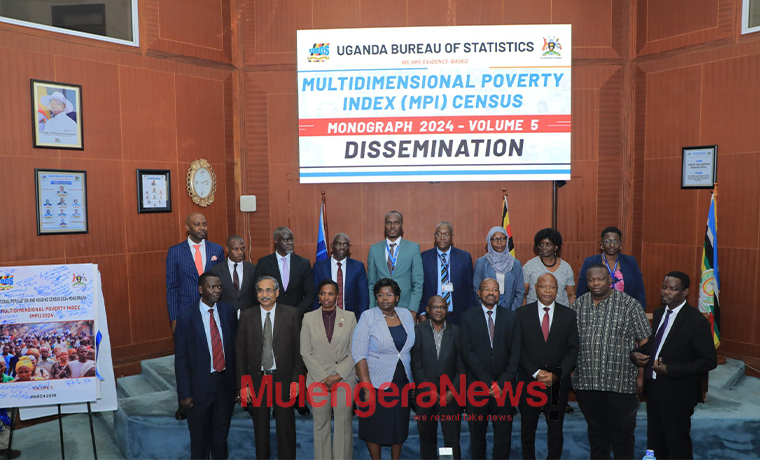
More than half of every 100 Ugandans are living in multidimensional or many-sided poverty according to the survey released by the Uganda Bureau of Statistics (UBOS), laying bare a harsh and deeply troubling reality affecting millions across the country.
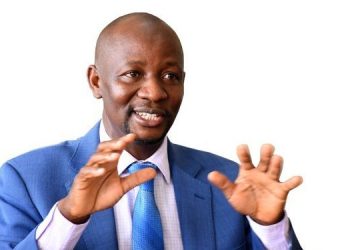
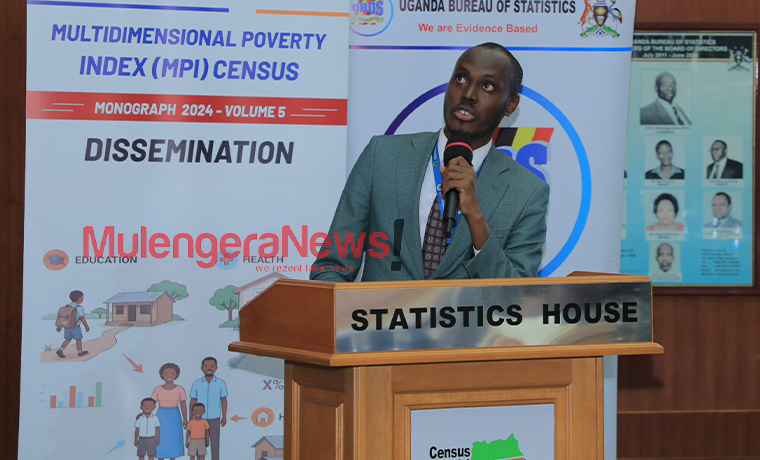
The findings, presented by Elemia Muhondogwa, Statistician at the Uganda Bureau of Statistics (UBOS), cut straight to the core of everyday life, showing that poverty in Uganda goes far beyond money. It is a complex and layered struggle where people lack several basic needs at the same time.
Out of every 100 Ugandans, 53 are classified as multidimensionally poor. This means they are not only struggling financially, but are also deprived in critical areas such as health, housing, and living conditions. It is a heavy and overlapping burden that continues to weigh down families across the nation.

According to Elemia Muhondogwa, Statistician at the Uganda Bureau of Statistics (UBOS), those affected are, on average, deprived in more than half of the key indicators required for a decent life. This level of deprivation, known as intensity, stands at about 51 percent.

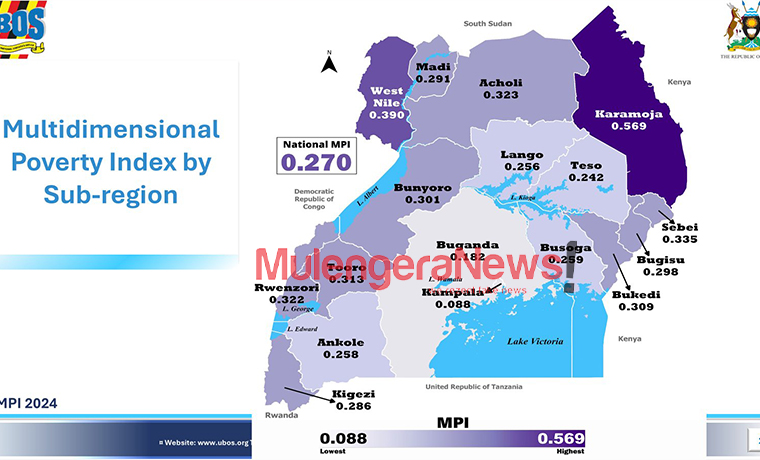
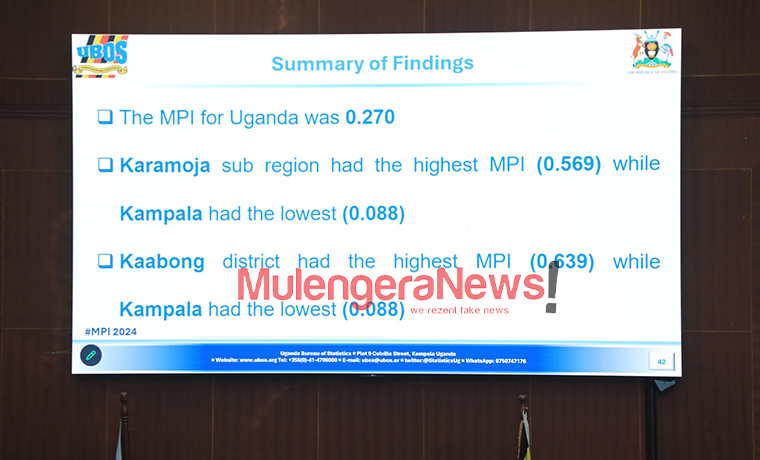
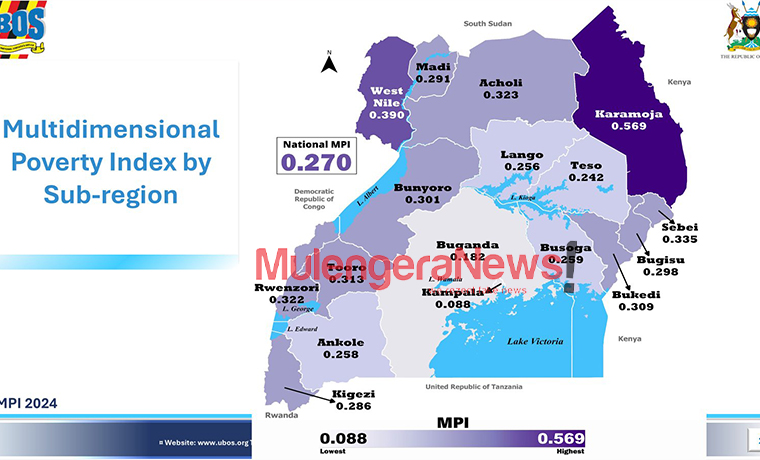
When this intensity is combined with how widespread the problem is, the result is the national Multidimensional Poverty Index, now at 27 percent.
In simple terms, 27 out of every 100 Ugandans are living with multiple forms of deprivation at once. These are people facing daily challenges in accessing healthcare, safe cooking methods, proper housing, and other essential needs.
The report reveals a sharp divide between rural and urban areas.
In rural Uganda, about 32 in every 100 people are trapped in multidimensional poverty. In urban areas, the figure drops to 19 in every 100. This gap highlights a growing inequality where location plays a major role in determining quality of life.
Basic services remain out of reach for many.
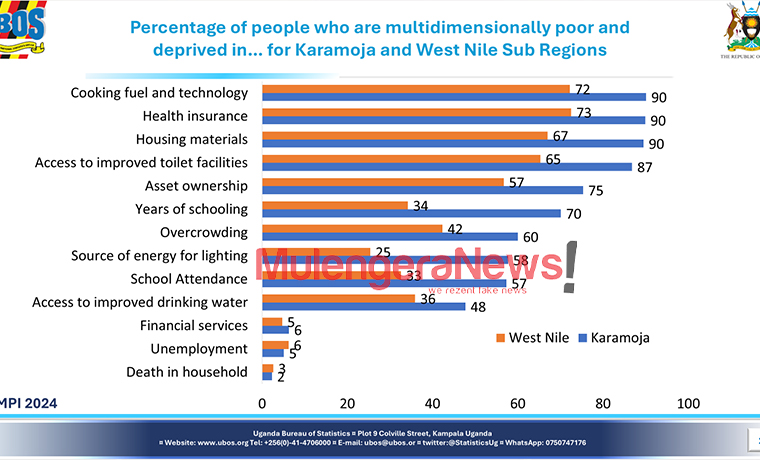
Health insurance is the most common deprivation, affecting 53 in every 100 poor Ugandans. Cooking fuel and technology follow closely, impacting 52 in every 100. These are essential for survival, yet millions continue to live without them.
The situation is even more severe in rural communities.
About 61 in every 100 people in rural areas lack health insurance, while 60 in every 100 struggle with cooking fuel. Housing conditions also show a clear divide, with 52 in every 100 rural residents lacking proper materials compared to 26 in urban areas.
The burden of poverty also varies across different types of households.
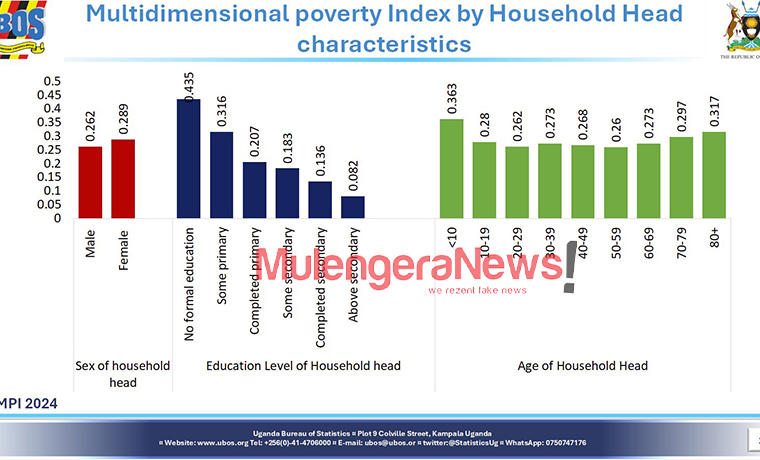
Female-headed households are more affected, recording higher levels of multidimensional poverty than male-headed households. Education plays a critical role as well. Households led by individuals with no formal education face the highest levels of deprivation, reaching about 44 in every 100.
Age is another factor shaping vulnerability. Both the youngest and the oldest household heads face higher levels of multidimensional poverty, placing them among the most at risk.
Regionally, the disparities are stark and alarming.
Karamoja sub-region stands out as the hardest hit, with about 57 in every 100 people living in multidimensional poverty. Districts like Kaabong, Amudat, and Kotido record extremely high levels, all above 60 in every 100 persons, while Abim shows relatively lower but still severe levels at about 38.
West Nile follows with 39 in every 100 people affected, with districts such as Zombo leading at about 44, followed by Yumbe and Pakwach, while Arua city records a lower burden at about 27.
In Acholi sub-region, the burden is also high at about 32 in every 100, with Amuru district standing out at about 41, while Gulu city records one of the lowest levels in the region at about 16.
Lango sub-region shows slightly lower levels than the national average at about 26 in every 100, with Otuke leading at about 32, while Lira city records about 16.
In Teso sub-region, about 24 in every 100 people are affected, with Kaberamaido among the highest at about 31, while Soroti city records a lower burden at about 14.
Buganda sub-region records lower levels overall at about 18 in every 100, but districts like Buvuma stand out sharply at about 43, while Wakiso remains among the lowest at about 9.
Busoga sub-region also remains below the national average at about 25, with Namayingo recording higher levels at about 37, while Jinja city stands lower at about 14.
Bukedi sub-region reports higher-than-average levels at about 31 in every 100, with Butaleja among the highest at about 34, while Busia records about 25.
Bugisu sub-region also shows concern, with Bulambuli at about 34 and Mbale city much lower at about 19.
Sebei sub-region records high levels, with Kween leading at about 36, while Kapchorwa remains slightly lower at about 31.
Bunyoro sub-region reports about 30 in every 100, with Kikuube among the highest at about 37, while Hoima city records one of the lowest at about 11.
Toro sub-region follows with about 31 in every 100, with Kyegegwa leading at about 37, while Fort Portal city records about 16.
Rwenzori sub-region also records high levels at about 32, with Ntoroko among the most affected at about 37.
Ankole sub-region shows slightly lower levels at about 26, with Mitooma and Isingiro among the highest at about 33 and 32 respectively, while Mbarara city records lower levels at about 13.
Kigezi sub-region records about 29 in every 100, with Rukungiri leading at about 35, followed by Kisoro at about 33, while Rukiga records lower levels at about 24.
Madi sub-region reports about 29 in every 100, with Obongi among the highest at about 33.
Across Uganda, cities consistently show lower levels of multidimensional poverty compared to rural districts. This pattern repeats across sub-regions, pointing to deep-rooted structural challenges.
As Elemia Muhondogwa, Statistician at the Uganda Bureau of Statistics (UBOS), presented these findings, the message was clear and urgent.
Poverty in Uganda is not just about income. It is about daily life, about families lacking healthcare, safe cooking fuel, proper housing, and basic dignity all at once.
For 27 out of every 100 Ugandans, this is the reality they live with every single day.
The UBOS report has brought this hidden struggle into the open, exposing a crisis that touches millions and demanding attention from all corners of the country. (For comments on this story, get back to us on 0705579994 [WhatsApp line], 0779411734 & 041 4674611 or email us at mulengeranews@gmail.com).