






 By Mulengera Reporters
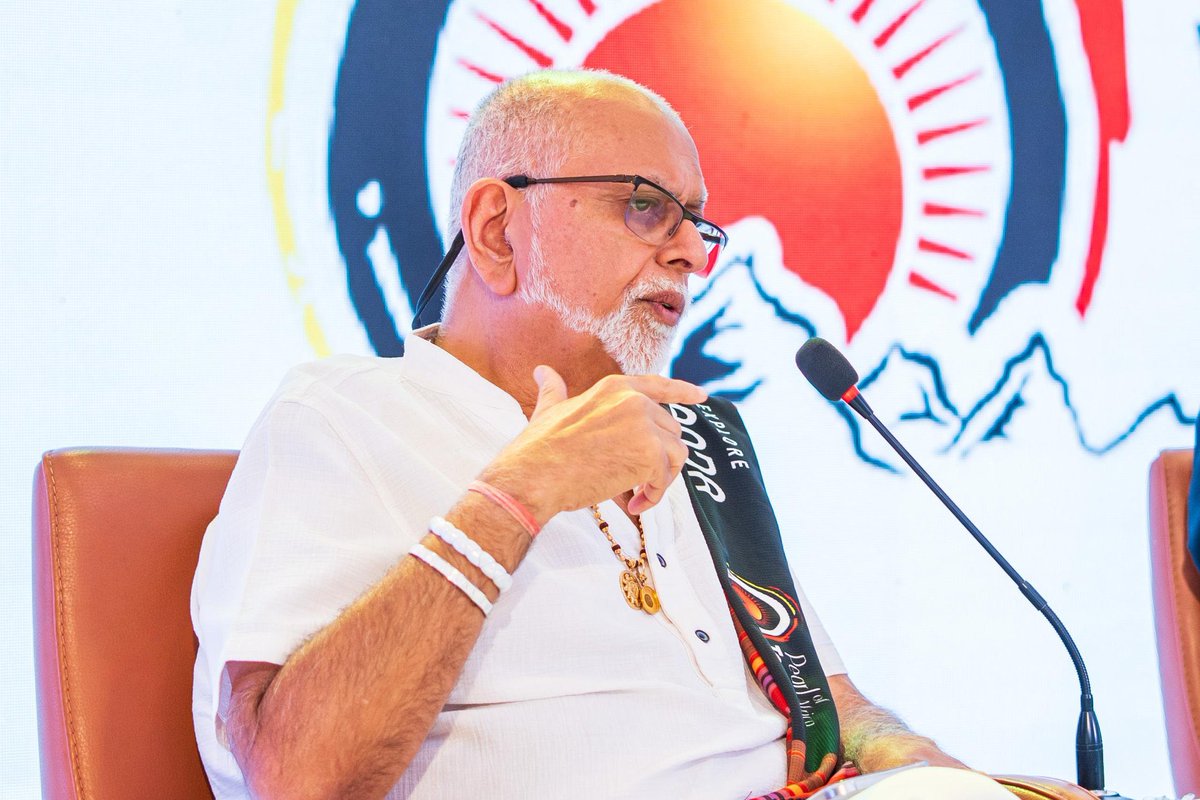
On Sunday, October 19, 2025, business mogul Dr. Sudhir Ruparelia, of the Ruparelia group, once again stood at the centre of Uganda’s cultural and investment spotlight as Speke Resort Munyonyo, his lakeside property, turned into a sea of colour, music, and light during the 2025 Diwali Festival, an event that also reignited debate about officially recognising Uganda’s Indian community as a new tribe.
The festival, hosted under the patronage of Sudhir’s Ruparelia Group in partnership with the Indian High Commission, drew thousands of guests, including Ugandans, diplomats, and business leaders who came together to celebrate unity, renewal, and prosperity.

Speaking at the event, Privatisation and Investment State Minister Evelyn Anite announced that President Yoweri Museveni would soon meet members of the NRM parliamentary caucus to discuss the proposal to grant tribal recognition to Uganda’s Indian community.

Anite said the Indian community had done more than enough to deserve that honour, citing over 120 years of contribution to Uganda’s economic development. She said Indians have heavily invested in manufacturing, a sector contributing nearly 26% of the country’s GDP, and continue to create thousands of jobs for Ugandans.

Anite said the Indian community is not just visiting Uganda, but they are part of us. She noted that their recognition would only affirm what is already visible in the country’s day-to-day progress.
Her remarks were widely interpreted as a strong endorsement of business icons like Sudhir Ruparelia, whose enterprises have played a major role in job creation, tourism promotion, and philanthropy.
Sudhir, in his remarks, said the Diwali Festival is not merely a cultural gathering, but a platform to nurture values such as discipline, family unity, and good conduct, virtues he said must be passed on to younger generations. He explained that the festival’s deeper meaning lies in its message of light conquering darkness, a reflection of hope and togetherness that transcends religion and geography.
The event was rich in culture and colour, featuring traditional cuisines, children’s games, live music, fireworks, and vibrant decorations. Registered groups were provided with tents, tables, and chairs to prepare and serve authentic dishes from their regions, a gesture aimed at promoting diversity within unity.
Other association leaders applauded the NRM government for creating a peaceful environment that has allowed the community to thrive, saying that Uganda’s tolerance and freedom of worship make it one of Africa’s most hospitable countries for people of Indian descent.
One leader also noted that the association recently marked 100 years of Hindu faith in Uganda, an achievement that, he said, reflects both resilience and harmony between communities.
The Diwali Festival, which also marks the beginning of the financial year in India, celebrates Lakshmi, the goddess of prosperity, and symbolises the triumph of light over darkness and good over evil.
Historically, the Indian community first came to Uganda in the 1890s as labourers working on the Uganda Railway from Mombasa. After construction ended, many stayed behind and went into trade and business, becoming central to Uganda’s emerging commercial class.
By 1970, their numbers had grown to almost 100,000 before President Idi Amin expelled them in 1972, forcing families like the Ruparelias into exile. When Amin’s regime collapsed in 1979, many returned and began rebuilding their lives. Among them, was Sudhir, who went on to become one of Uganda’s most successful entrepreneurs.
Today, the Indian community, estimated at 35,000 people, continues to contribute heavily to Uganda’s economy while lobbying for formal tribal recognition, a move they say would ensure nationality for their children and end decades of being treated as foreigners despite generations of residence.
As the debate takes a new turn, many see Dr. Sudhir Ruparelia as both a symbol and spokesperson of that long journey, from rejection to reintegration, and now to national belonging. (For comments on this story, get back to us on 0705579994 [WhatsApp line], 0779411734 & 041 4674611 or email us at mulengeranews@gmail.com).