








By Arthur Matsiko
The Permanent Secretary in the Ministry of Gender, Labour and Social Development (MGLSD), Mr Aggrey Kibenge, has called for total elimination of child Labour as one of Uganda’s bedrocks for socio-economic development.
During the 10th meeting of the National Steering Committee on Child Labour held at Protea Hotel on 14/08/2025, Mr Kibenge urged all stakeholders to address emerging trends and challenges, including the socio-economic factors driving child labour, mobilise and coordinate resources for sustainable interventions, access progress against the National Action Plan on Elimination of Child Labour and mobilise and coordinate resources for sustainable interventions.


The committee, which is chaired by the MGLSD, is a centralized platform for collaboration among key stakeholders, enabling coherent and efficient approaches to tackling child labour, and coordinating all advocacy and policy interventions aimed at total elimination of child labour.
In his speech read by Mr Fred Ngabirano, Commissioner Youth and Children Affairs at the MGLSD, Mr Kibenge emphasized strengthening “multi-sectoral collaborations, ensuring that government, employers, workers’ organisations, civil society, and communities” if positive strides must be made towards this vice that is affecting millions of children worldwide. The 2021 National Labour Survey (NLFS) by Uganda Bureau of Statistics (UBOS) reveals that 6.2 million (40% of the 15.7 million) children aged 5-17 years were engaged in child labour; excluding those doing household work, with more boys (50.4%) than girls (49.6%) working.
The high rates of child labour in Uganda are attributed to high poverty rates, limited access to education and cultural barriers, among others. The Government of Uganda has, as a result, put in place several policies and legal frameworks as well as institutional structures to accelerate the elimination of child labour in Uganda. Among these interventions is the National Child Labour Policy that provides for the National Steering Committee on Child Labour, which spearheads, coordinates, and provides strategic guidance on the measures and interventions undertaken by various actors to eliminate child labour.
“We notice that despite these high numbers, Uganda still has yet another challenge. All national planning and interventions still rely on 2021 estimates of child labour. This lack of current, robust national data risks underestimating the scale and shifting patterns of child labour, making it harder to deploy targeted, evidence-based solutions,” Mr Kibenge said. He added that although the committee has been instrumental in coordinating and guiding national actions against child labour, he urged all the members to continue demonstrating a measurable change in communities and to thwart child labour.
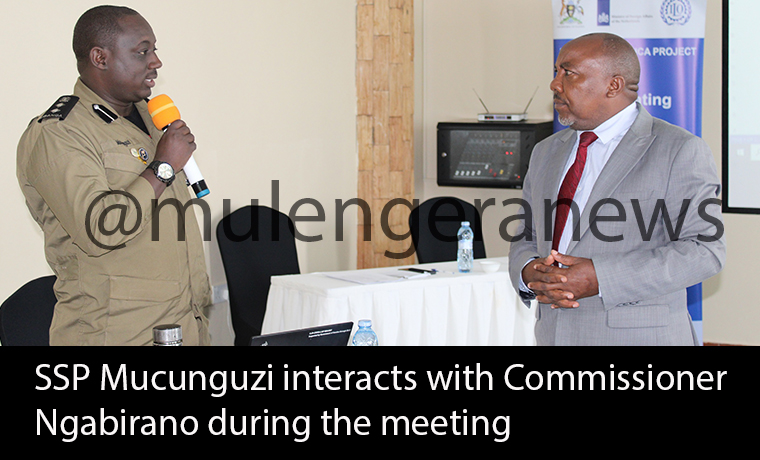
During discussions with the members, Mr Ngabirano highlighted districts where children are engaged in hazardous labour. He mentioned Busia district, where, some children are trafficked from the Karamoja sub-region and employed as cattle keepers because there is a belief that such children have a natural gift for looking after cattle. He urged the committee to align all their deliberations with the existing legal frameworks and the National Development Plan IV.
Mr Tonny Kasiita, the Child Protection officer at the UNHCR, gave highlights on child labour in refugee camps. He called for the integration of refugee child protection services within the national frameworks to improve coordination and ensure comprehensive support for vulnerable children. He also noted that in Uganda, the potential causes of child labour include limited access to quality education, and cultural norms where some cultures have a belief that children should contribute to the household income or work on family farms, among others.
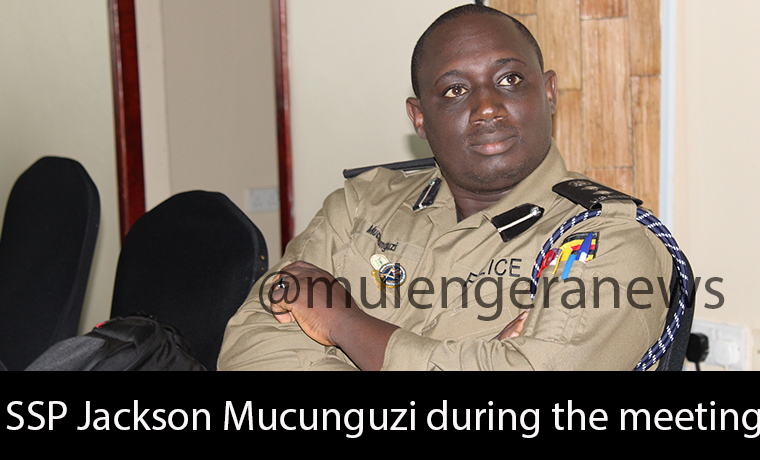
Reacting to presentations, SSP Jackson Mucunguzi, the Child Family Protection Officer in Uganda Police Force, called upon the government to invest more in strengthening the family institution if we must end child labour to achieve the Vision 2040.
“Fathers should be advised to take on their leadership positions. Nowadays, fathers are becoming simply sperm donors, yet they should be home to provide, protect and mentor their children with the support of the mothers,” Mr Mucunguzi said. He called for the empowerment of the boy child so they can grow up knowing their role, although efforts are currently geared towards empowering only the girl child. SSP Mucunguzi represented Maureen Atuhaire, Commissioner Child and Family Protection in the Uganda Police Force.
Mr Kasiita was also urged to consider conducting research on child labour in the urban setting.
In his remarks, Mr Bernard Amuriat, Assistant Commissioner Labour Inspection, called for clear mapping so that all the apparent issues surrounding child labour can be addressed. He also called for the development of standards on what constitutes ‘child labour’, adding that these standards should be unique to the Ugandan context.
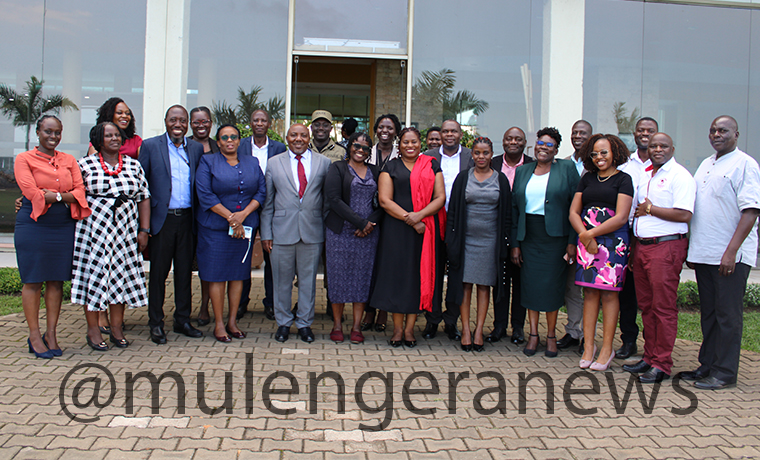
The meeting was attended by representatives from the MGLSD, UNICEF, UNHCR, Ministry of Trade, Kampapa Capital City Authority, and the International Labour Organisation, among other stakeholders. (For comments on this story, get back to us on 0705579994 [WhatsApp line], 0779411734 & 041 4674611 or email us at mulengeranews@gmail.com).