






By Aggrey baba
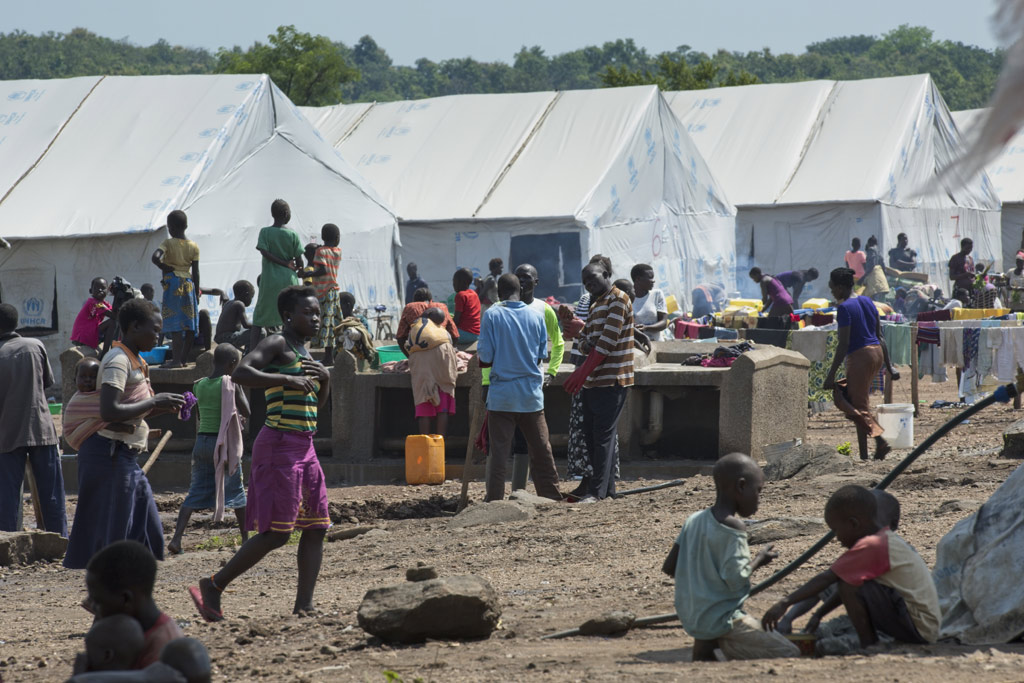
Refugees living in settlements like Pagirinya are now facing a worsening food crisis that threatens their health and survival.
Once seen as a model for refugee protection in Africa, Uganda’s refugee response is buckling under steep funding cuts and rising numbers of displaced people.
In the early days of displacement, the biggest worry for refugees was where their next meal would come from. Over time, with improved food access, the challenge has grown more complex. But now, even this fragile progress is under threat.
According to the United Nations High Commissioner for Refugees (UNHCR), refugees in Uganda are supposed to receive a monthly food basket providing at least 2,100 calories per person per day. This includes cereals, pulses, oil, and salt.

But severe funding shortfalls have forced humanitarian agencies to slash rations and in some settlements, refugees are now getting less than 1,000 calories daily, far below the minimum needed for survival.

Uganda hosts nearly 1.7 million refugees from countries including South Sudan, the Democratic Republic of Congo, Somalia, Rwanda and Burundi. And the growing refugee population has put pressure on limited resources.
The Country’s Refugee Response Plan for 2024-2025 required nearly $968 million to meet all needs but has so far received less than half of that. Just over $111 million was raised by early 2025, leaving a massive funding gap.
The lack of resources affects not only food but also water, sanitation, shelter, health, nutrition, and education services. Agencies have had to redirect funds to emergency food distribution, leaving other sectors severely underfunded.


Despite Uganda’s open-door refugee policy being widely praised, the reality on the ground is harsh. Many refugees are surviving on inadequate food, leading to malnutrition and heightened vulnerability to disease.
Experts warn that without urgent international support, the situation will worsen. Malnutrition can cause irreversible damage to children’s development and undermine entire communities.
Government officials and aid agencies continue to appeal for more funding to avert a humanitarian catastrophe.
Food aid is not a luxury, but a lifeline. And without it, Uganda risk losing the gains made in refugee protection and health. (For comments on this story, get back to us on 0705579994 [WhatsApp line], 0779411734 & 041 4674611 or email us at mulengeranews@gmail.com).