






By Aggrey Baba
From a hospital bed in Mulago to the dry plains of Karamoja, the burden of Uganda’s underperforming systems is falling hardest on women.
The recently released Vision Group opinion poll, conducted ahead of the 2026 general elections, reveals a silent but heavy toll borne by women across the country.
In Kampala, Joyce Wamakote has spent over UGX 35 million trying to keep her 21-year-old daughter alive. Her daughter, Winnie, lies paralyzed in Mulago’s joint repair ward, waiting for another surgery her family can barely afford.
With limited access to government support, Joyce has had to sell family land, purchase implants from private clinics, and hire ambulances to move her child (All while still holding a job).
Meanwhile in rural parts of the country, women are waking at dawn to walk over 1km to fetch water, while in northern Uganda, where 31% of voters listed water as a top issue, it is the women and girls who spend hours a day collecting it, losing time they could spend in school or other productive activities like farming.

In many households, women are also forced to stay home with sick children due to drug stock outs at health centres. They’re navigating pregnancies with no ambulance in sight, cooking over smoky stoves due to electricity shortages, and scrambling to find school fees for their children ( as single mothers).

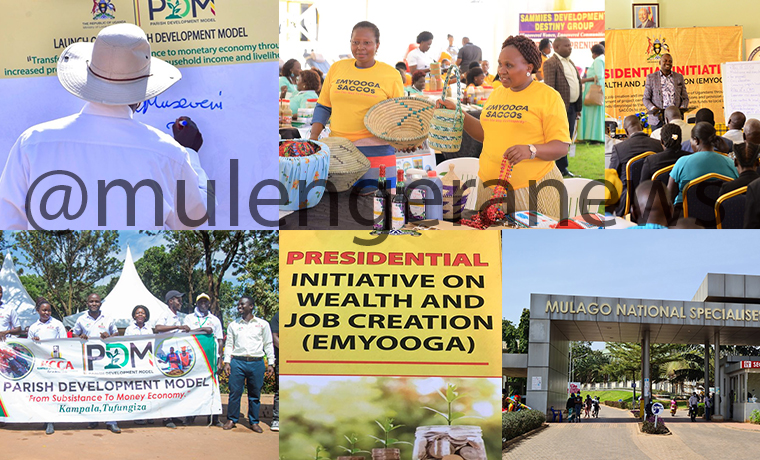
The Citizens’ Manifesto report shows that while Uganda has made strides in reducing poverty and improving access to schools, public services still rely heavily on women’s unpaid labour to fill the gaps. Even poverty alleviation programmes like the Parish Development Model (PDM), Youth Livelihood Fund and Emyooga haven’t reached many rural women, especially those without formal collateral or access to financial literacy.
Despite being pillars of both household survival and national development, women continue to suffer in silence, walking, washing, nursing, cooking, teaching, and farming in systems that rarely centre them in policy or budget decisions.
As the country prepares for another election cycle, women’s voices remain underrepresented in both Parliament and local councils. Yet their needs are often the clearest (affordable healthcare, accessible water, safe roads, functional schools, and land security).
Without deliberate gender-sensitive planning and budgeting, analysts warn that the country risks leaving behind the very people who keep it running, one expert noting that women are not just suffering from poverty, but also managing it on behalf of everyone else.