






By Mulengera Reporters
As the world commemorates Global Energy Independence Day under the theme “Empower Local, Power the Planet,” Uganda’s journey toward a more sustainable and self-reliant energy future is gaining momentum, driven in part by a bold private-sector innovation from Equity Bank Uganda.
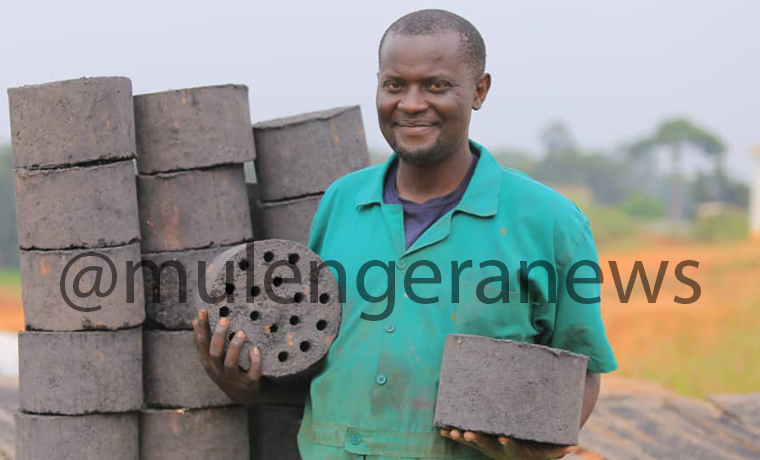
Through its Equi-Green credit facility, launched in 2022, the bank has become a key enabler of clean energy adoption at the grassroots. To date, the program has disbursed over UGX 22 billion in loans, facilitating access to more than 51,000 clean energy technologies for households, schools, health centers, and small businesses across Uganda. These include solar lighting systems, energy-efficient cookstoves, solar-powered irrigation pumps, and water storage tanks.
In areas previously dependent on charcoal, firewood, or kerosene, the impact has been transformative.
Families are now adopting cleaner cooking methods, rural clinics can operate longer hours with solar power, and schools are benefiting from safer, better-lit environments. In farming communities, solar irrigation is helping reduce rainfall dependence, stabilizing yields, and improving food security.
At the heart of the Equi-Green model is inclusive, affordable financing. Loans begin from as little as UGX 200,000, making clean energy accessible to low-income earners. The Bank collaborates with over 18 certified clean energy providers to ensure that customers not only get access to finance but also to durable, quality-assured products and technical support.
The initiative directly aligns with Uganda’s Energy Transition Plan (2023) and the upcoming National Development Plan IV (2025–2030), both of which prioritize energy access, affordability, and sustainability. By leveraging finance to expand clean energy access, Equity Bank is supporting national goals while also reshaping energy use at the community level.

Despite challenges such as infrastructure gaps, policy limitations, and market access barriers, Equi-Green stands as a practical model of what can be achieved when innovation meets inclusive financing.

On this Global Energy Independence Day, Uganda’s progress tells a powerful story, that energy transformation doesn’t have to begin with massive infrastructure, but can as well start with a single clean stove, a solar lamp, or a water tank in a rural home.