






By Ben Musanje
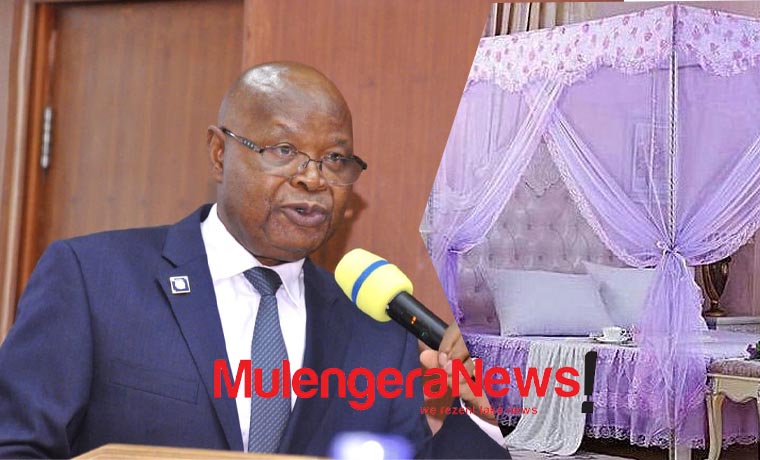
A new malaria survey in Uganda has revealed that 20 percent of insecticide-treated mosquito nets (ITNs) were not used the night before the survey. The Uganda Bureau of Statistics (UBOS), working with the Ministry of Health, says most of these unused nets were extras being saved for later, while others were not used because the usual user was away or the net was old and torn.
The survey also found that nearly one-third of households disposed of or repurposed a mosquito net in the past year. Many nets were used for less than two years before disposal, and 89 percent of discarded nets were torn. Some households repurposed old nets for farming, window screens, furniture, or even goal posts, while 45 percent sent them to garbage collection points.
Indoor residual spraying (IRS), another malaria prevention method, remains limited in Uganda. Only 10 percent of households nationally received IRS in the past year, though coverage is higher in districts where the program is active. In these districts, 81 percent of households received IRS, mostly through government or NGO programs.

The survey showed ITN ownership remains high, with 84 percent of households having at least one net. However, patterns vary regionally. Teso recorded the lowest percentage of unused nets at 7 percent, while Karamoja had the highest at 31 percent. Rural households were more likely to receive IRS than urban ones, with Bukedi and West Nile showing the highest coverage.

The survey highlights ongoing challenges in malaria prevention, including net use and disposal, and shows the need for targeted public health interventions. The findings were launched by Minister of State for Planning, Amos Lugoloobi, and witnessed by Chris Mukiza, Executive Director of UBOS, at Statistics House in Kampala. (For comments on this story, get back to us on 0705579994 [WhatsApp line], 0779411734 & 041 4674611 or email us at mulengeranews@gmail.com).