






By Guest Writer
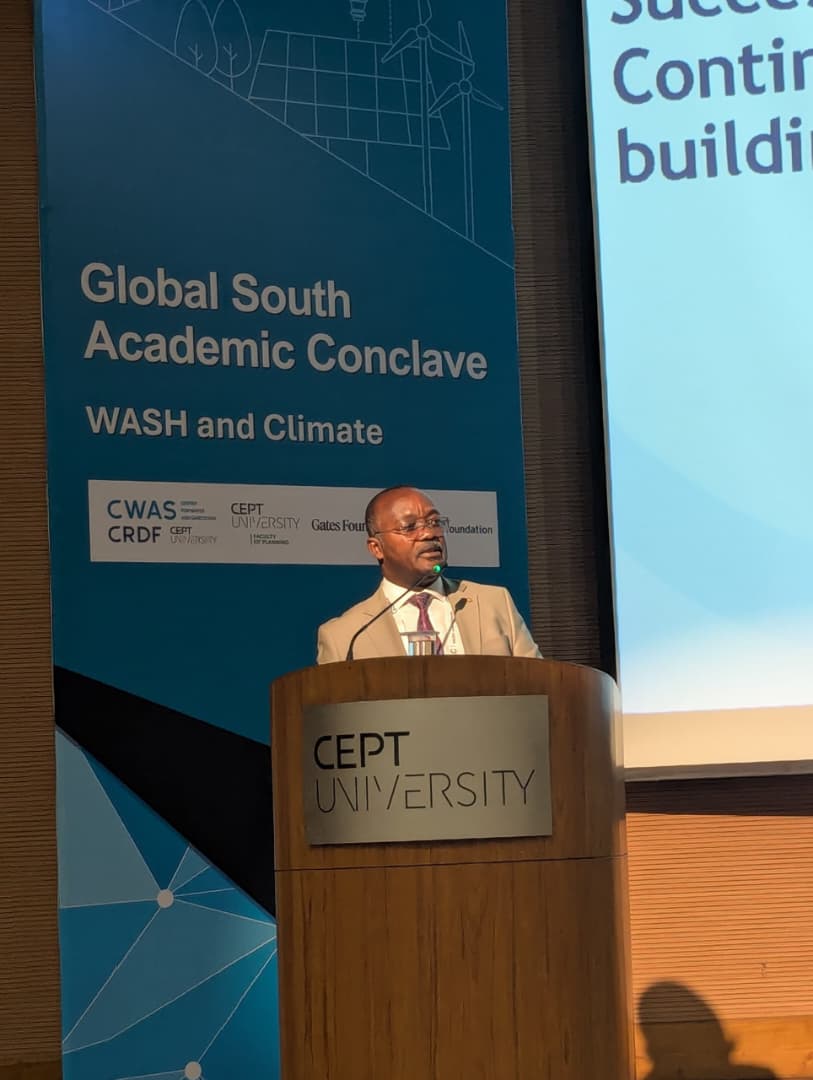
AHMEDABAD, India — Uganda’s National Water and Sewerage Corporation (NWSC) Managing Director Eng. Dr. Silver Mugisha has told a global academic summit that public utilities must undergo a fundamental transition from engineering–only organizations to customer–centric service providers to survive modern climate and urban growth pressures.
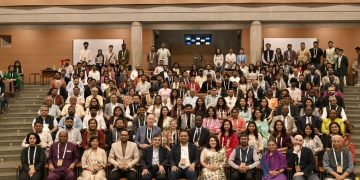
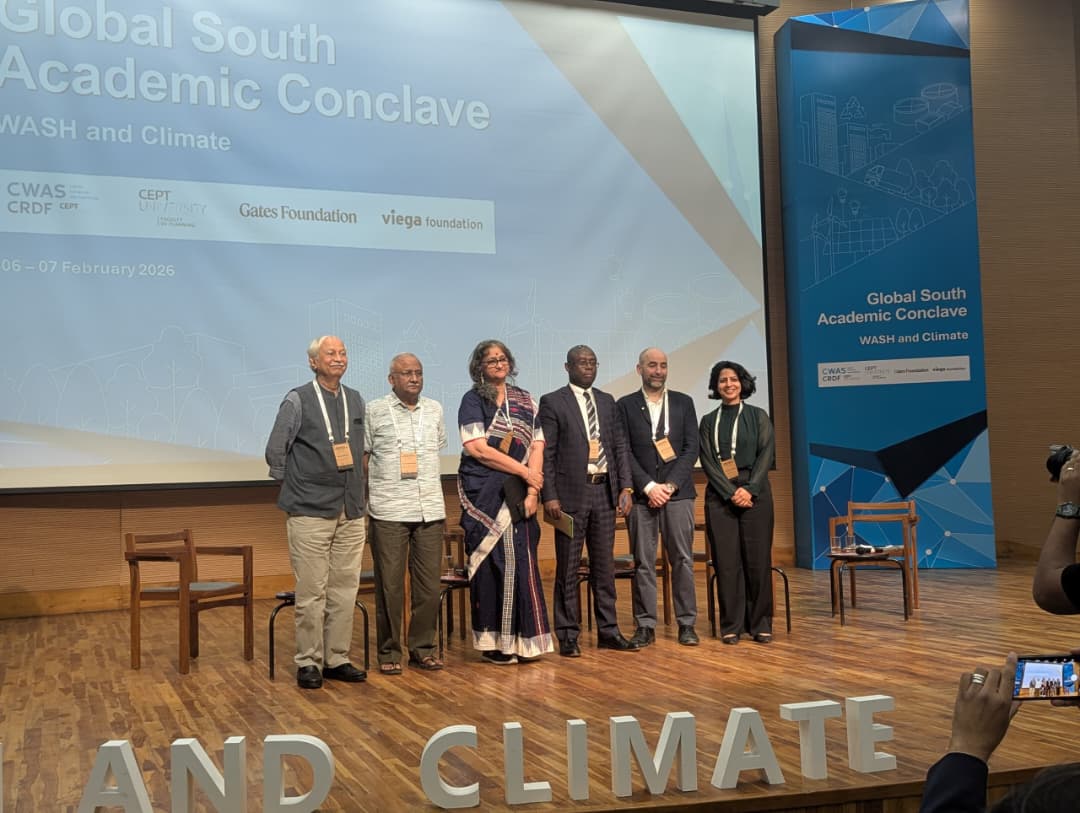
Speaking at the Global South Academic Conclave (GSAC) 2026 at CEPT University on Friday, 06 February 2026, Dr Mugisha detailed the transformation of Uganda’s national water utility from a struggling entity into a high–performing public enterprise.

He argued that in the “Global South reality,” utilities sit at the critical intersection of climate resilience, public finance, governance and social equity.
NWSC’s journey reflects a radical shift in management philosophy. Dr. Mugisha outlined a historical trajectory that saw the NWSC move from a “broken” state before 1998 — characterized by low service coverage and limited financial sustainability — to a period of institutional reforms, and finally to its current era of aggressive jurisdictional expansion.
Today, he said, “NWSC operates in over 287 towns, up from just 23 in 2013.” It manages more than 1 million water connections serving an estimated 22+ million people, with an annual turnover that has grown from UGX 170 billion to UGX 622 billion, over the last decade.
“Engineering builds systems,” Dr. Mugisha told the conclave, “service delivery builds trust.”
Dr. Mugisha credited the Corporation’s success to a business model that prioritizes operational efficiency and service equity over mere asset expansion. A cornerstone of this approach has been the use of incentive–based “New Performance Management” contracts.
“These agreements establish clear performance indicators at the corporate, area and individual levels to ensure accountability,” he said.
The Managing Director emphasized that what gets measured gets managed. He noted that performance contracts have fundamentally changed behavior across the organization, moving staff toward a mindset of financial self–reliance and “utility as a business.”
NWSC has also heavily prioritized digital transformation. By developing home grown digital systems, rather than relying solely on expensive off–the–shelf imports, Dr. Mugisha said the utility has gained the agility to monitor operations in real–time. These digital enablers allow for data–driven decision making, helping to reduce non–revenue water and improve billing efficiency.
Despite these gains, Dr. Mugisha identified several “challenges that keep us awake.” Foremost among these is climate variability, which is increasing water insecurity and causing climate shocks that outpace infrastructure development. He also cited explosive urban growth and the proliferation of informal settlements as major hurdles to achieving universal access.
“Success does not mean the absence of problems, it means better tools to confront them,” Dr. Mugisha said.
One of the most significant disparities remains the financing of sewerage versus water systems. While water coverage has expanded rapidly, sanitation infrastructure often lags behind, due to high costs and lower direct cost recovery. Dr. Mugisha noted that the utility must balance affordability for the public with the necessity of cost recovery to remain commercially viable.
To bridge these gaps, he revealed that NWSC has established a Strategic Research Committee to ensure that all management decisions are evidence–based. Dr. Mugisha highlighted a recent meter accuracy study involving 1,200 meters as a practical example of how the utility uses research and development as the “engine room” of efficient service delivery.
He called for a new era of academia–utility– partnerships — urging researchers to move beyond theoretical papers and focus on solving real operational problems.
He encouraged the academic community to support grassroots innovators and scale up proven technologies that address specific Global South challenges.
“We need to invest in ecosystems bridging the classroom and the field,” Dr. Mugisha said. “Engineering innovation must drive the water and sanitation transformation agenda.”
He said that the NWSC Corporate Plan 2024–2027″ sets ambitious targets.
The Corporation aims to expand its reach to 350 towns and serve 26 million people, by 2030.
To achieve this, NWSC is focusing on climate stewardship and ensuring service equity for those living in informal settlements, who are often the most vulnerable to water scarcity.
Dr. Mugisha stated that the future of water and sanitation in the Global South will ultimately be decided by leadership and courage to implement reforms. He noted that while the technical challenges are vast, the human element — specifically how a utility engages with its customers and manages its people — is the ultimate determinant of success.
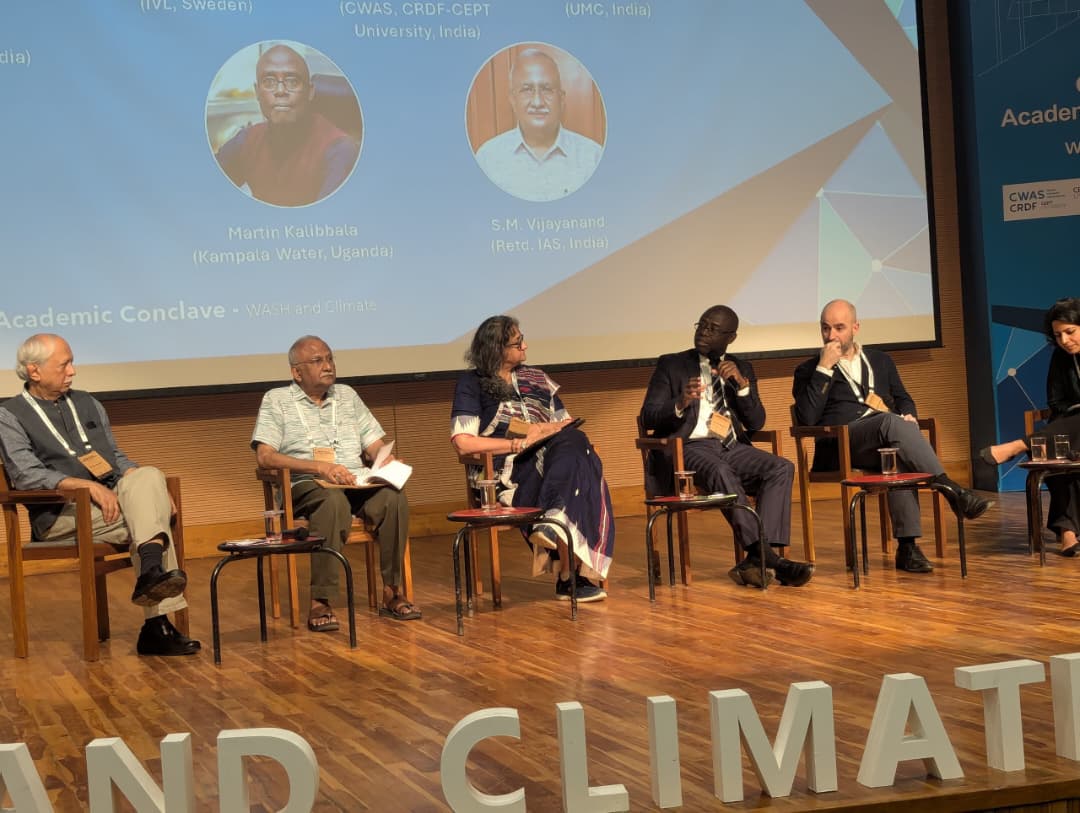
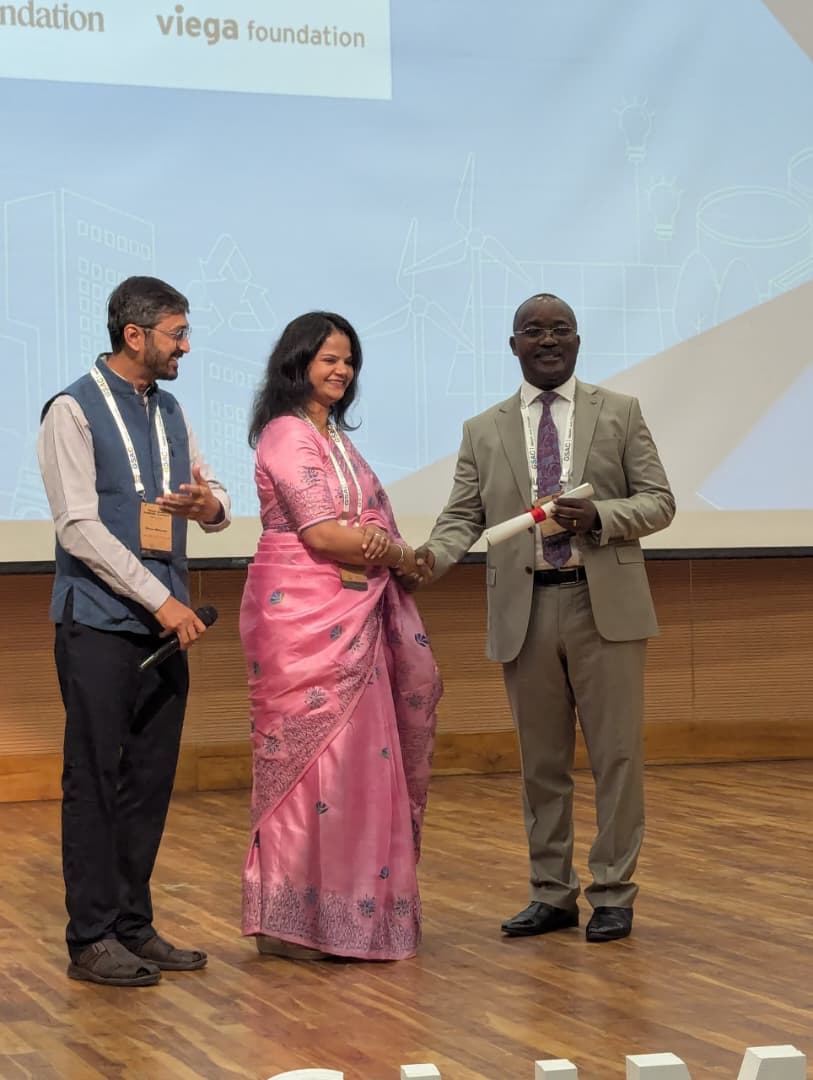
NWSC staff, Senior Manager Performance Management & Staff Development, Martin Kalibbala shared insights on NWSC’s data driven actions and innovations for WASH and climate change – during a panel session, whilst Ms. Penninah Nabireeba, Branch Manager of Industrial Area Branch (Kampala Water), shared the NWSC success stories during the best practices in urban water utility operations session.
Research partnerships with CEFT University, Gates Foundation, CRDF, Viega Foundation, among others propagate ground for accelerated service delivery. (For comments on this story, get back to us on 0705579994 [WhatsApp line], 0779411734 & 041 4674611 or email us at mulengeranews@gmail.com).