




By Aggrey Baba
A new poll has laid bare the deep regional disparities in access to essential services across Uganda, amplifying calls for more balanced development ahead of the 2026 general elections.
Conducted by Uganda’s leading publication, between March and May 2025, the survey captured the views of over 6,000 Ugandans across 58 districts. While the findings reveal a shared dissatisfaction with public services countrywide, they also expose wide inequalities in what different regions experience (and demand) from the government.
In the north, especially in Acholi and Lango sub-regions, access to clean water and roads emerged as top concerns, with 31% of voters saying water was their number one issue, compared to lower figures in the central region.
Many communities in the region still rely on distant or unsafe water sources, with broken boreholes taking months to repair.
Meanwhile, residents of Karamoja (long plagued by hunger, insecurity, and limited infrastructure) ranked food, insecurity, and education highest among their challenges, with youth unemployment being among the worst nationally, with many young people surviving on casual labour or migrating seasonally for work.

In eastern Uganda, poor school infrastructure and poverty were dominant complaints, with voters reporting long treks to schools, lack of desks, and hidden fees in UPE schools. Access to land and disputes over ownership were also noted, particularly in Bugisu and Teso regions.

In contrast, voters in central Uganda, particularly around Kampala, voiced anger over land grabbing, corruption, and worsening traffic congestion. Unlike other regions where access was the main concern, urban voters were more focused on quality and accountability.
The data shows that no region is truly thriving, but the depth of deprivation varies widely. While some areas demand better hospitals, others are still pleading for basics like a nearby health centre or access to electricity.
Economists say these disparities reflect an uneven distribution of public investment, despite years of decentralisation efforts. For example, while government spending on road infrastructure reached UGX 4.28 trillion this financial year, actual maintenance and construction have been concentrated around urban centres and major highways, leaving many rural districts with impassable roads.

Likewise, national poverty rates may have dropped to 16.1%, but the majority of those still living in stinking poverty are concentrated in northern and eastern Uganda.
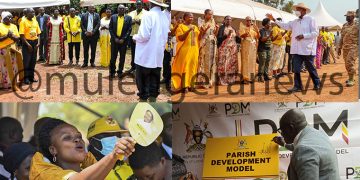
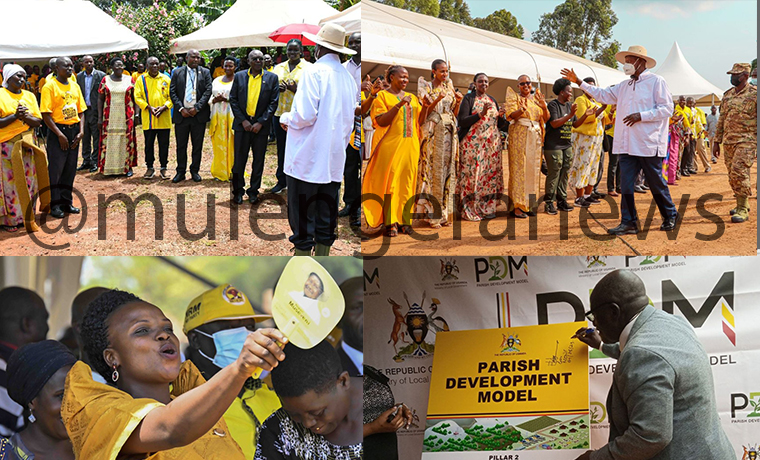
The poll results come as the government rolls out programmes like the Parish Development Model (PDM) and Emyooga, intended to reach underserved areas. Yet feedback from the survey shows that many respondents (particularly in remote districts) have not yet felt the impact of these interventions.
Analysts warn that unless regional disparities are addressed directly, national development will remain lopsided.
As political parties prepare their manifestos and candidates gear up for the 2026 race, the pressure is on to prove that national plans can reflect local realities. For many voters in Uganda’s neglected corners, elections are no longer about who promises the most, but rather, who finally delivers on long-forgotten pledges of equity.