






By Mulengera Reporters
Farmers in Hoima District, once burdened by poverty and hopelessness, are now dreaming of big things they never imagined including buying vehicles, all thanks to new solar-powered irrigation systems installed by the Ministry of Water and Environment (MWE).
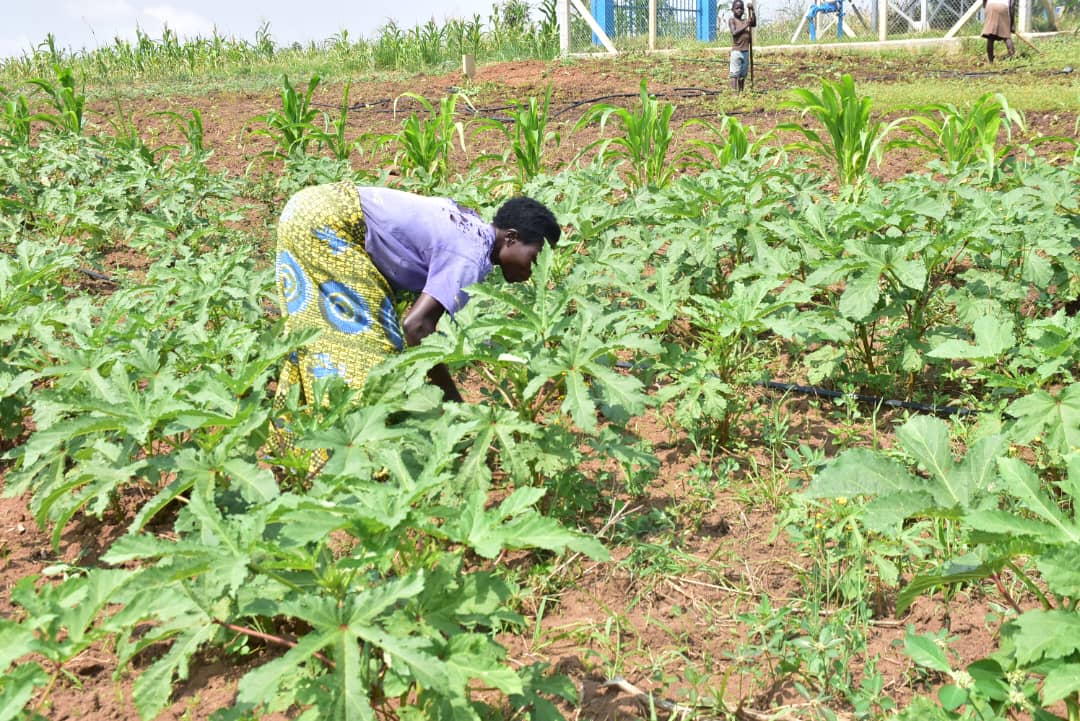
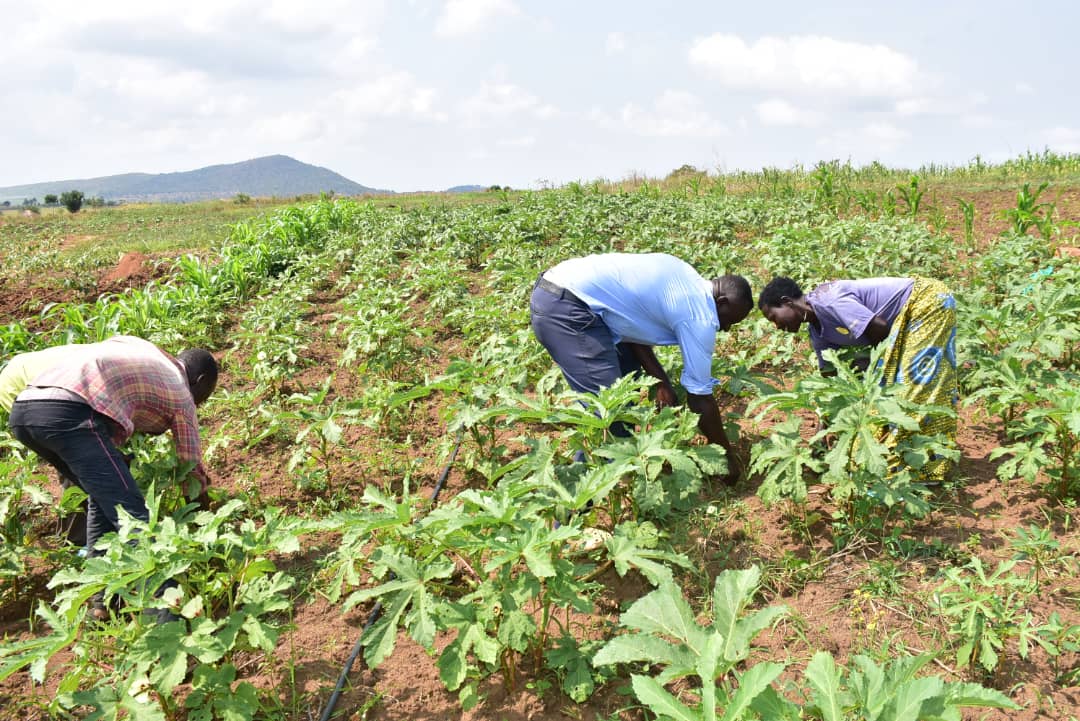
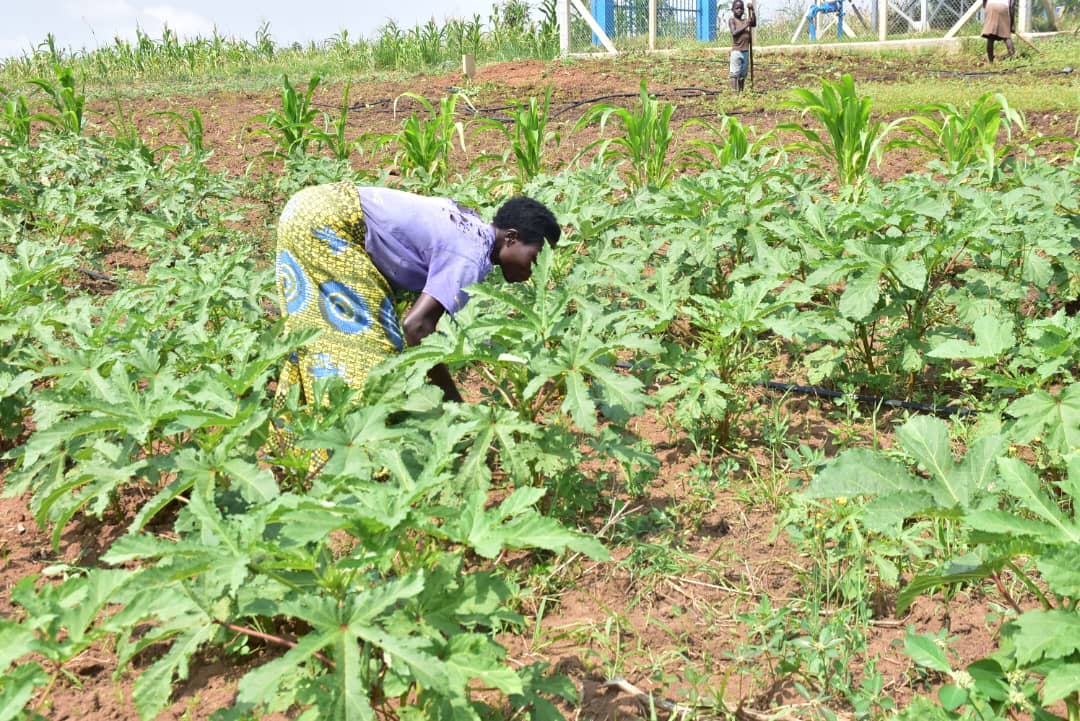
In Bwizibwera village, Bwizibwera parish, Kyabugambire Sub County, Juliet Kaitwebye, a hardworking farmer of beans, tomatoes and cabbages, is one of the clearest symbols of this dramatic change. She and her husband Isaac Kaitwebye are now planning to buy a Fuso lorry, something they once believed was only for the wealthy.

Kaitwebye says she once lived a life full of frustration. Despite looking educated, she found herself trapped in the deep villages of Hoima, struggling to survive.

She and her husband cultivated cabbages and other crops in a valley near their home, but the rains often destroyed their work. Sometimes floods washed away everything; other times too much water sat in the soil and ruined their crops.
Even when they farmed large chunks of land, the earnings barely covered food. Dreams faded, and hope slowly died — but they continued farming because they had no choice.
Then everything changed last year. A team from the Ministry of Water and Environment, working with contractors Nexus Green, approached the couple with an unexpected proposal: offer land so a solar-powered irrigation system could be installed. They agreed immediately, even though they did not understand how the system worked. Soon, the Bwizibwera irrigation scheme was completed.

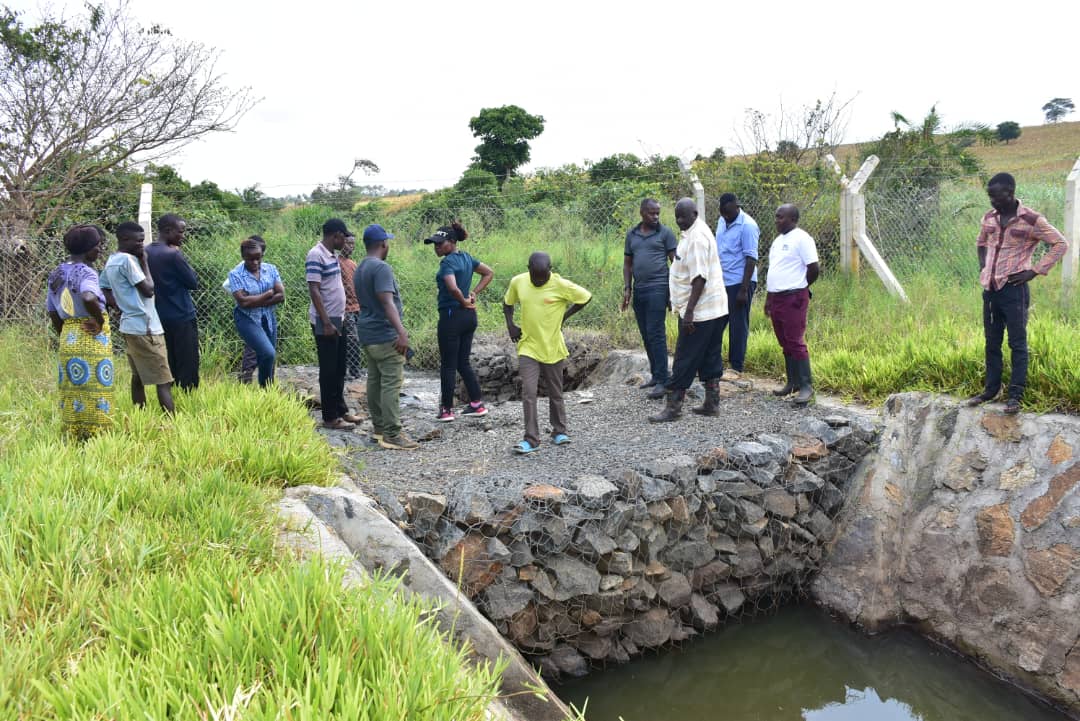
This scheme is part of a massive national Solar Powered Water Supply and Irrigation Project funded by UK Export Finance and the Government of Uganda. More than 111 million Euros has been invested to install over 450 solar-powered water and irrigation systems across the country, and Bwizibwera is among the lucky beneficiaries.
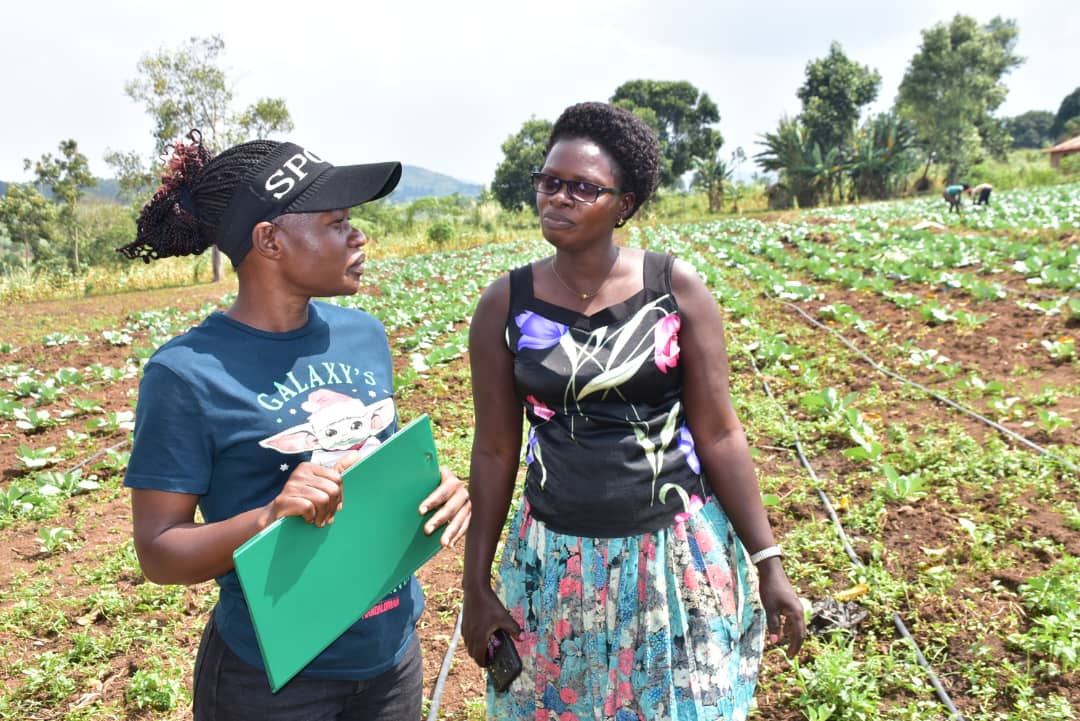
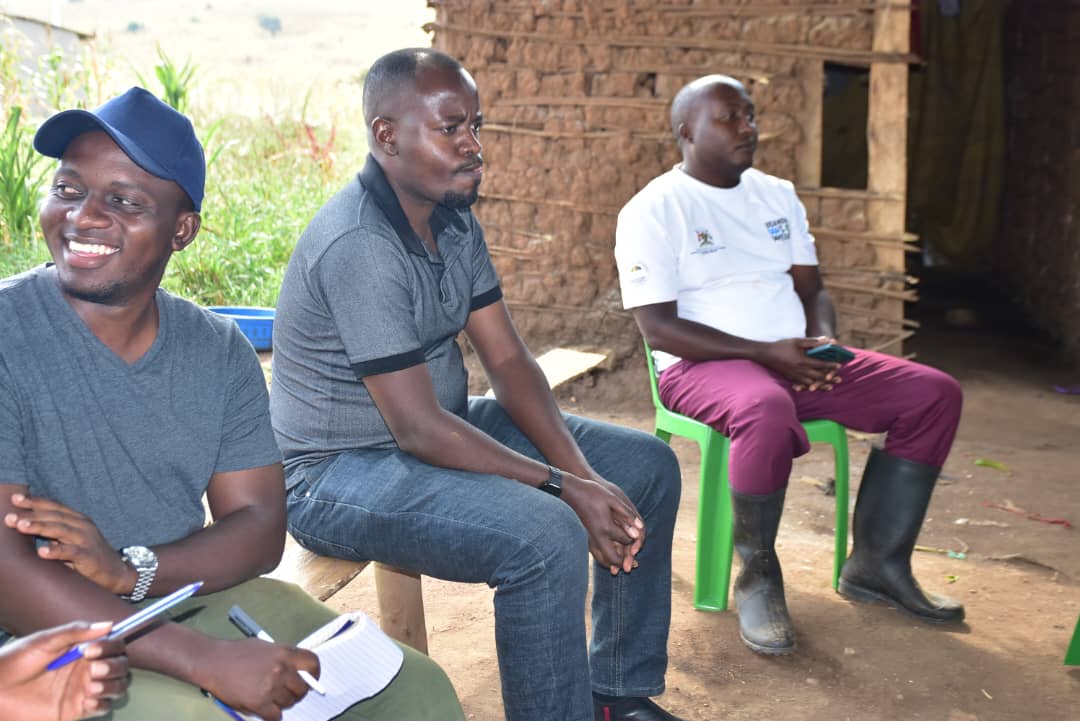
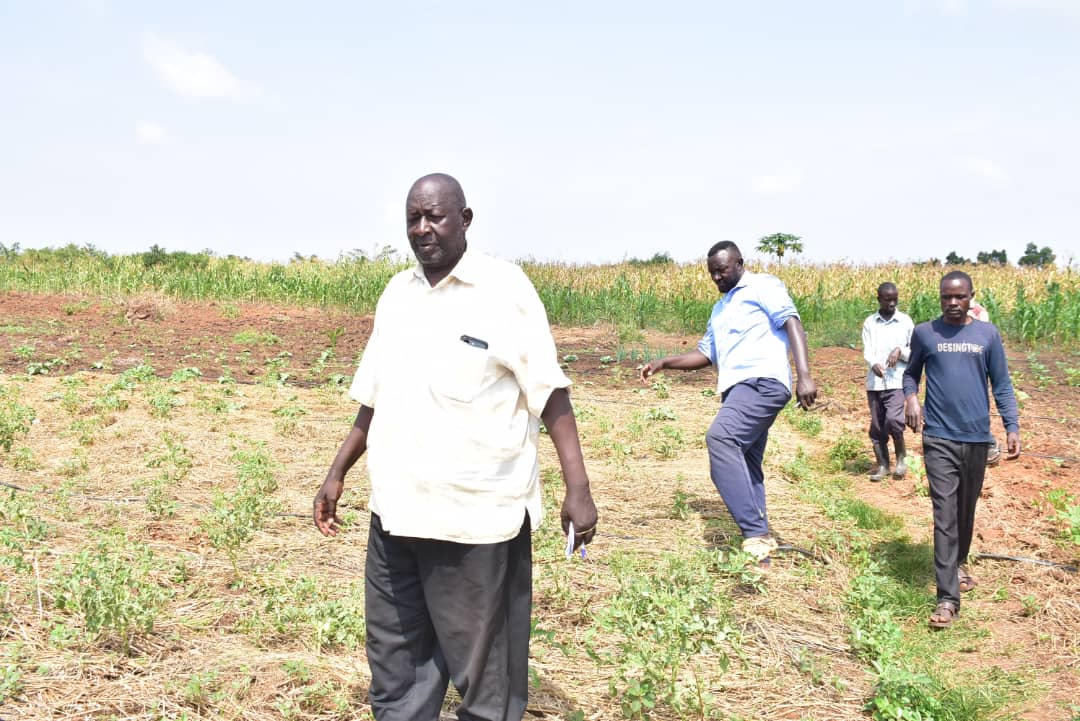
Now Kaitwebye proudly shares her success with officials and media visiting on behalf of the Permanent Secretary of MWE, Dr Alfred Okot Okidi. In just the first season, she earned 2 million shillings from 18 sacks of beans, each selling at 190,000 shillings. From tomatoes grown on three acres, she earned 6 million shillings.
As if luck followed them, a new processing company moved into the area to buy horticultural produce. The market is ready, buyers are steady, and Kaitwebye believes riches are around the corner. She and her husband currently use a small private car to transport produce, but they are determined to buy a Fuso lorry as they expand their farmland.
Now in her second season of beans, tomatoes and cabbages, Juliet Kaitwebye says she no longer regrets failing to work in her professional career which she preferred not to disclose. Farming, she says, is finally paying off.
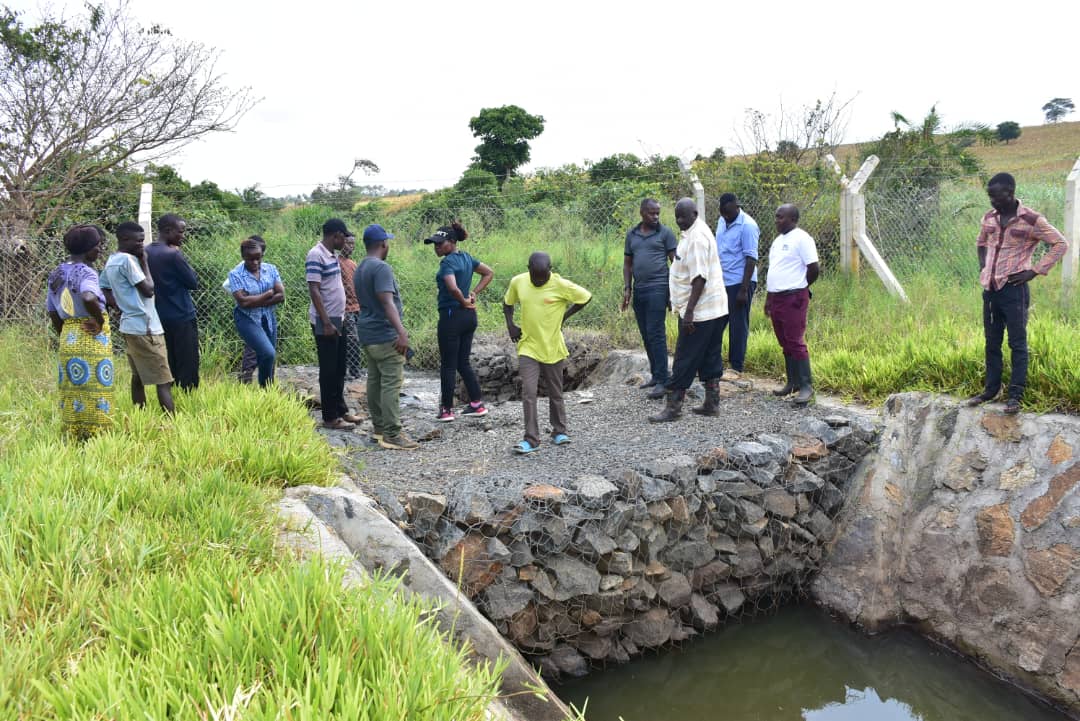
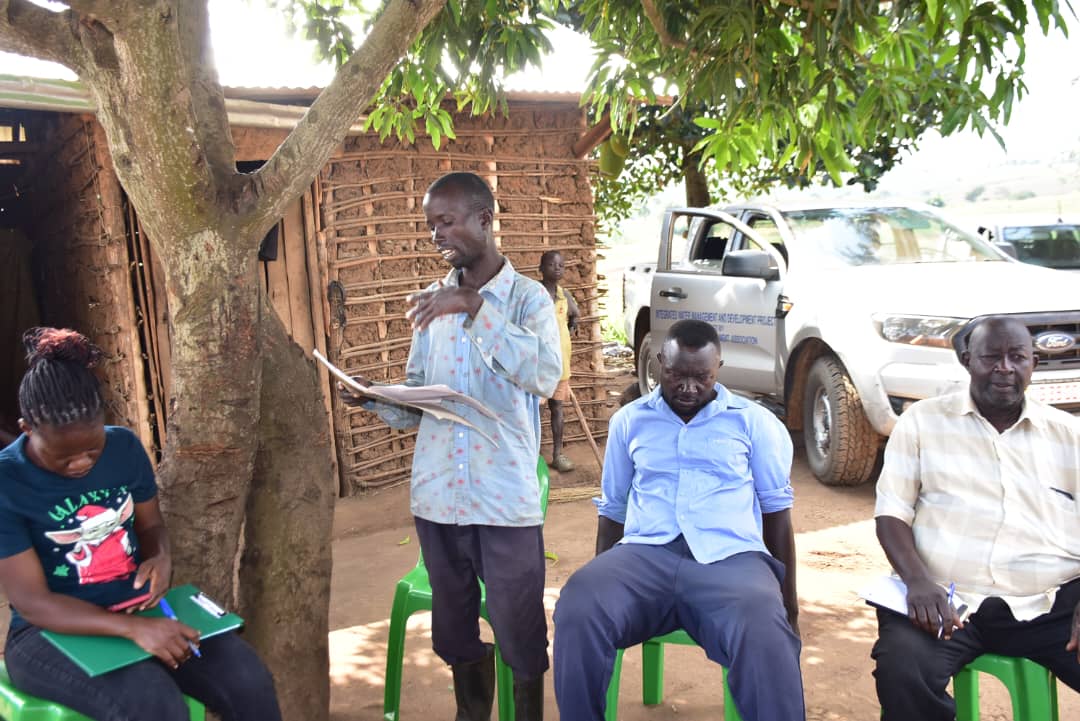
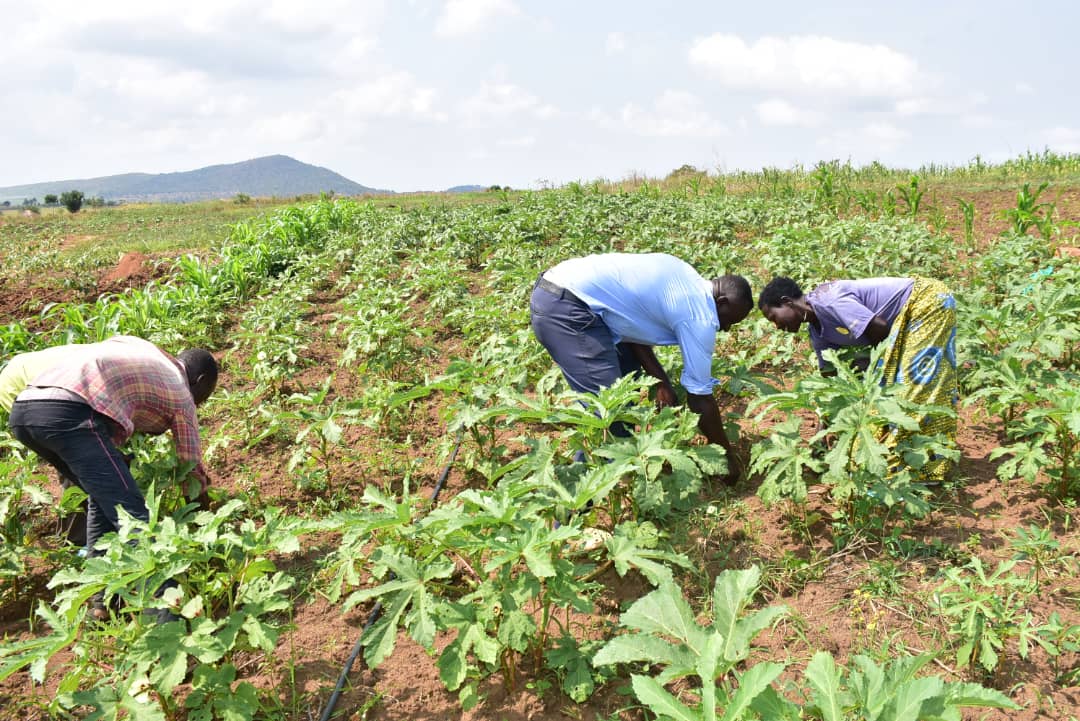
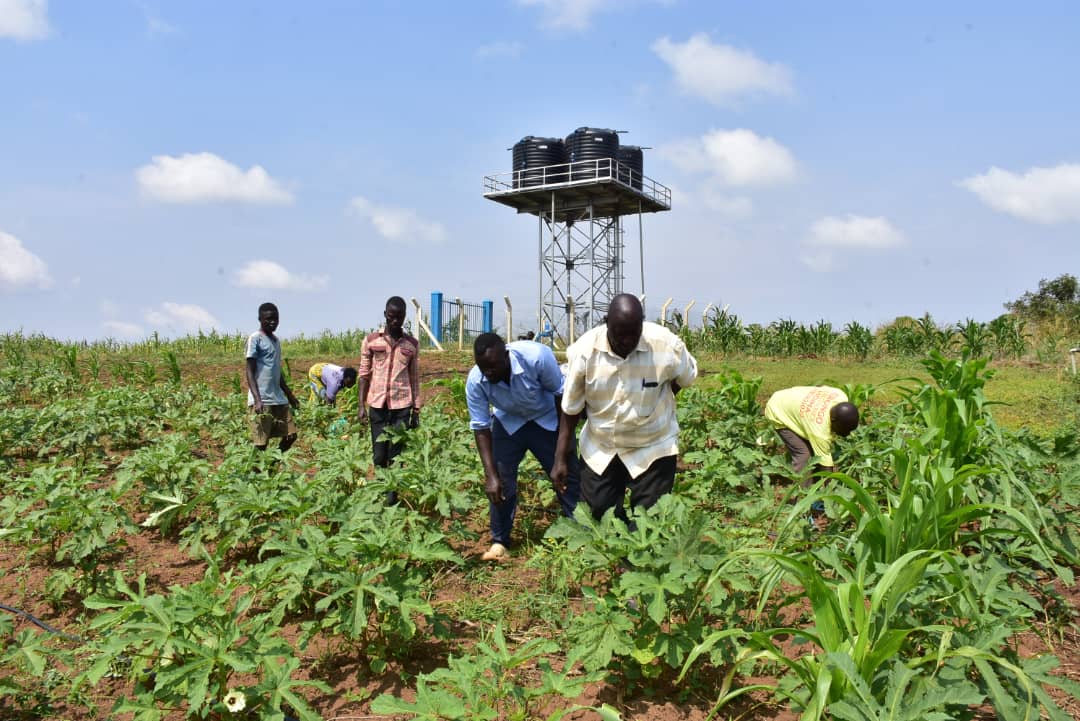
The transformation is not only in Bwizibwera. In Rwamutunga B village, Nyakabino parish, Buseruka Subcounty, the Rwamutunga irrigation scheme is also changing lives. About 30 farmers under the Tunavumiriya Farmers Group share 12.5 acres to grow eggplants, tomatoes and green peppers.
Group chairman James Ofwoyo says their area was very dry, and water was a constant struggle. When engineers installed the irrigation system, water levels were low at first. But when water started flowing, it came with such force that the farmers had to collect sand to block the excess water.
With two seasons already completed, Ofwoyo says he has seen remarkable transformation among members, though some are too excited to even declare their earnings, as the group agreed.
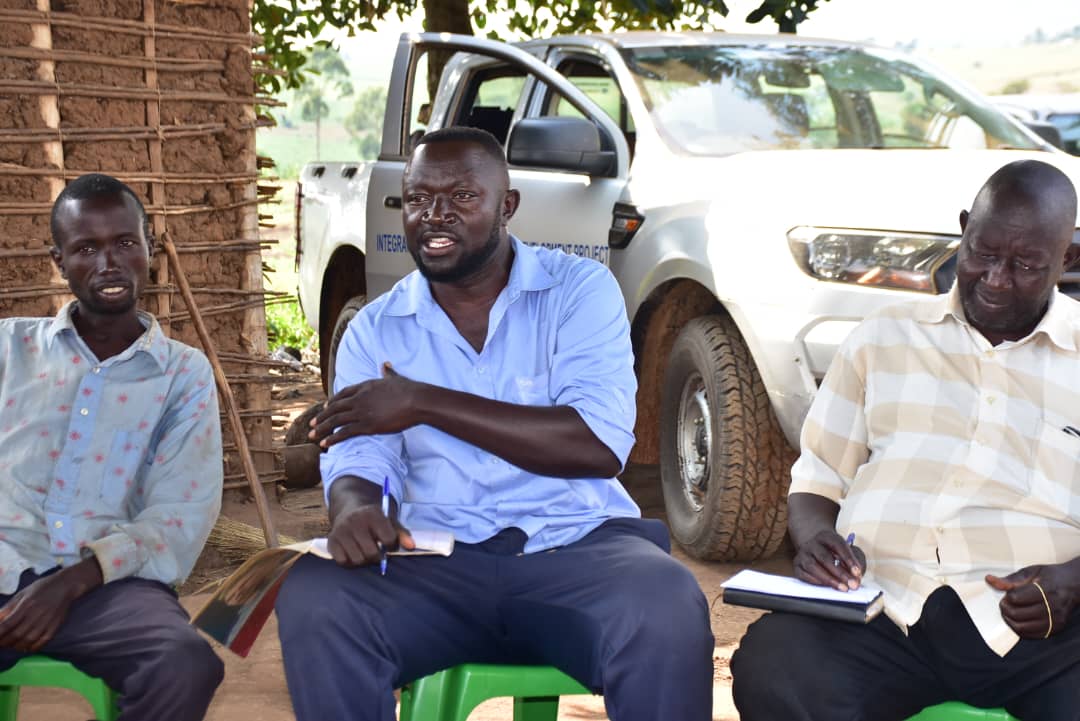
Group secretary Isaac Irumba revealed actual figures. One member earned 700,000 shillings after investing only Shs210,000 in seeds, labour, pesticides and transport. Another made 4 million shillings after investing Shs1.6 million in tomatoes. A third earned over 3.8 million shillings from eggplants after investing just Shs400,000.
The group grows tomatoes, eggplants and green pepper, and members say horticulture is changing their fortunes faster than they expected.
Lead farmer Ali Tinkamanyire delivered heartfelt thanks in Runyoro, praising the Ministry of Water and Environment for bringing life-changing technology to the deep villages of Hoima, places long forgotten and long ignored.
According to the ministry, Rwamutunga Irrigation Project cost 212,939.79 Euros wherea Bwiziwera cost was 276,122.28 Euros.
Today, from Bwizibwera to Rwamutunga, small farmers who once struggled even to dream now talk confidently about wealth, expansion and vehicles. And behind their new hopes stands the power of the sun, turning light into water, and water into opportunity. (For comments on this story, get back to us on 0705579994 [WhatsApp line], 0779411734 & 041 4674611 or email us at mulengeranews@gmail.com).