




By Aggrey Baba
The fight for political power in Uganda has taken a financial twist, as newly political parties (Democratic Forum (DF) and People’s Freedom Front (PFF), move swiftly to stake their claim in the annual Electoral Commission (EC) political parties cash fund, estimated at UGX 45 billion.
While both parties are barely months old, their backers in Parliament have already ignited a quiet but calculated battle for a slice of the state funding reserved for parties with representation in Parliament.
Under the Political Parties and Organisations Act, political parties with MPs are entitled to public financing to support internal structures, mobilisation, and capacity building.
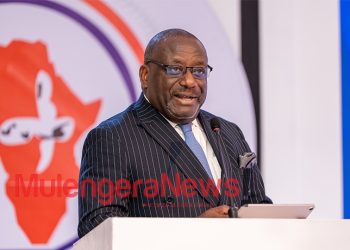
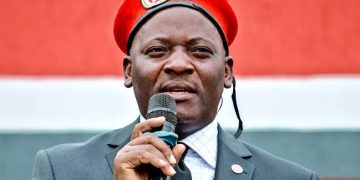
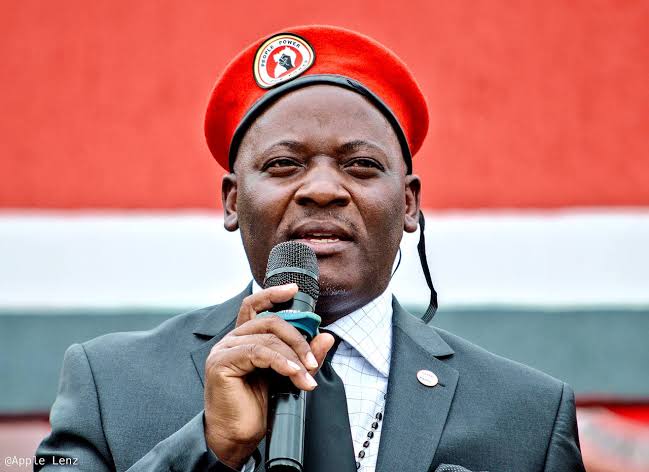
The scramble began shortly after a number of defections from existing parties. DF, now led by Nyendo-Mukungwe legislator Mathias Mpuuga, has pulled away four MPs from the National Unity Platform (NUP), while the PFF, headed by Lord mayor, Erias Lukwago, has attracted a similar number, mostly from the Forum for Democratic Change (FDC).
In addition, some MPs such as Kilak North’s Anthony Akol and Jonam’s Emmanuel Ongiertho have shifted allegiances directly to NRM, complicating the arithmetic for opposition parties that risk both political and financial losses in the unfolding realignment.

According to EC’s Samuel Kiyingi, head of the political parties’ desk, communication has already been received from Parliament, requesting that DF and PFF be included on the list of funded political entities.
“We have started the process of assessing and preparing to allocate funding to the new parties,” he confirmed, noting that each MP in a party contributes UGX 25 million worth of weight to its share.
That means any new party with at least four MPs, such as DF or PFF, qualifies for UGX 100 million in annual funding. While that is compared to the NRM’s commanding share of over UGX 8.5 billion (due to its majority representation), the mere entry into the political cash pool is a victory for the newcomers.
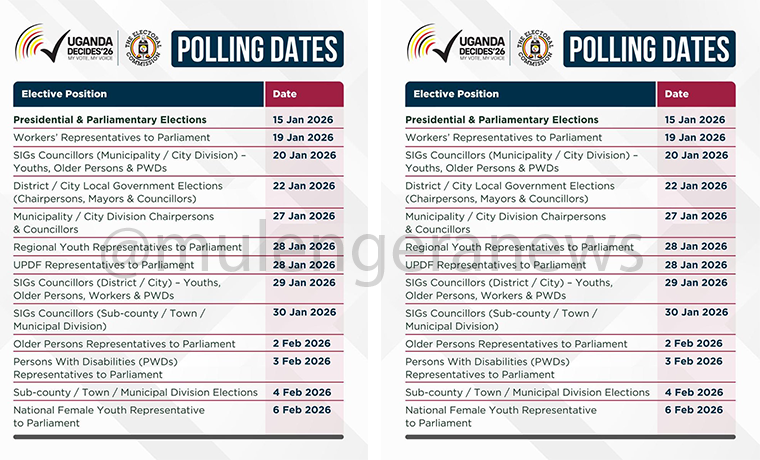
With less than a year to the next general elections, political formations are not only seeking ground but also financial strength to survive Uganda’s brutal election cycles.
The swift moves by DF and PFF to notify EC even before they organise their grassroots structures show a deep understanding of the political economy, where access to resources often defines political relevance.
Mpuuga, whose leadership of DF was stamped in a delegates’ conference in Masaka on Friday, said it was their duty to notify EC once they had officially declared their new status, because the law provides for their entitlement, and so his party informed them accordingly.
Similarly, PFF backers have been quietly positioning their presence in EC’s funding pipeline, even as they continue to distance themselves from the embattled FDC, which has been marred by infighting over alleged state infiltration.
Previously, most of the funds were divided among a few parties (NRM, FDC, NUP, and DP). But with the entrance of DF and PFF, the pool could be more thinly spread, unless government increases the total allocation in the next budget.
Ironically, some of the biggest losers in this financial reshuffle may not be the newcomers’ former parties, but smaller, older parties like DP, which despite its historical significance, now risks being squeezed both in numbers and influence.
For EC, the entry of DF and PFF signals more administrative pressure ahead of 2026 because beyond updating the funding roster, the Industrial area based Commission must now monitor how the funds are used, a task already complicated by persistent concerns about accountability and transparency.