




By Ben Musanje
Members of Parliament serving on the Committee of Finance, Planning, and Economic Development have emphasized the importance of ensuring that the Ministry of Finance, Planning, and Economic Development receives adequate space in the parliamentary order paper and that policy makers understand the need to allocate resources for necessary interventions during the budgeting process.
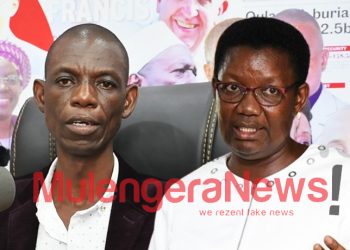
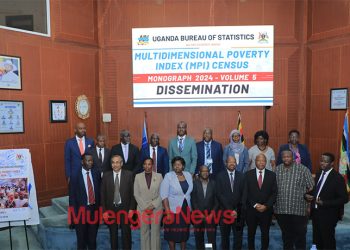
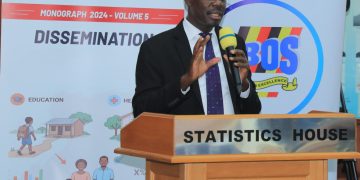
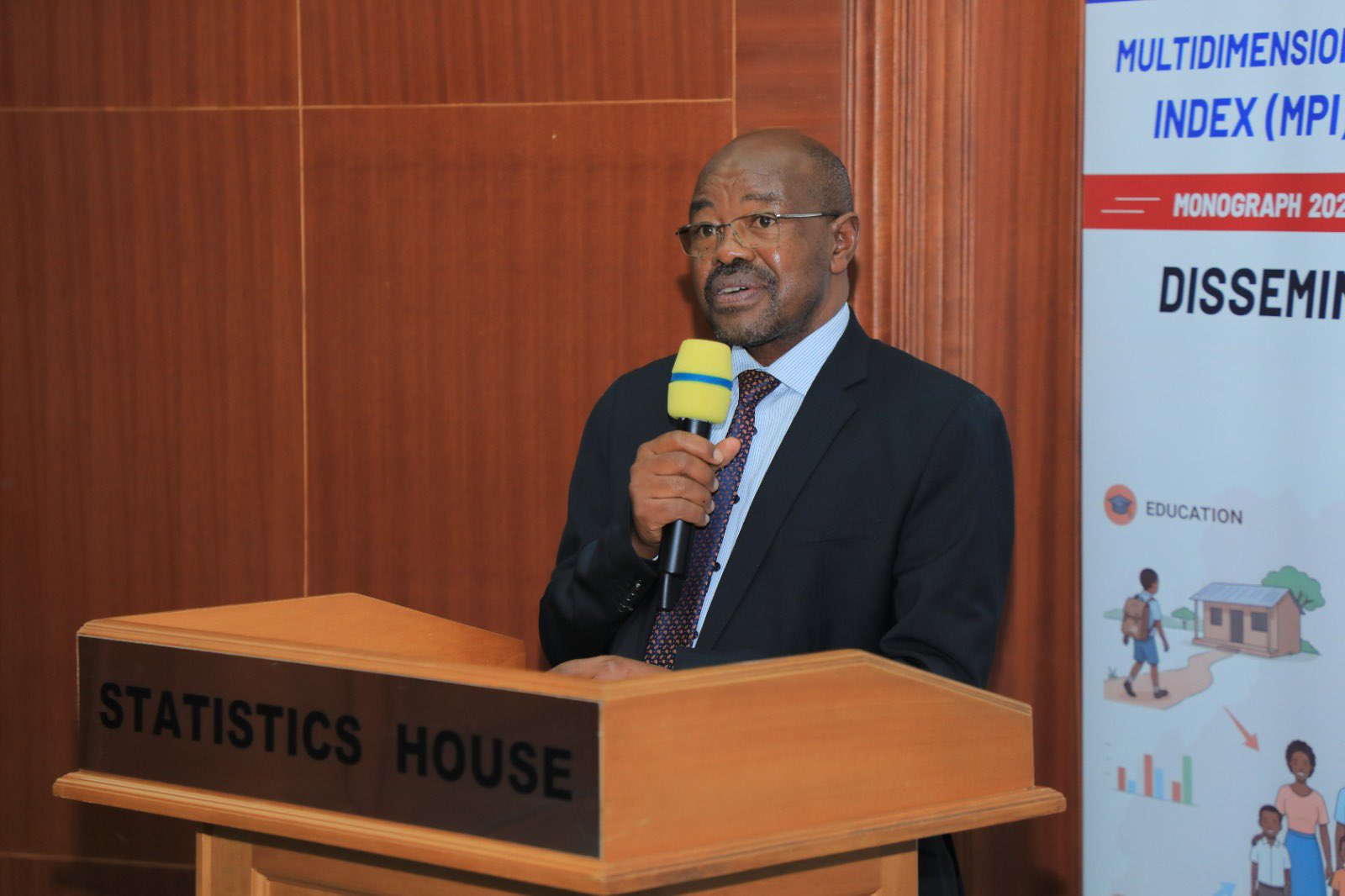
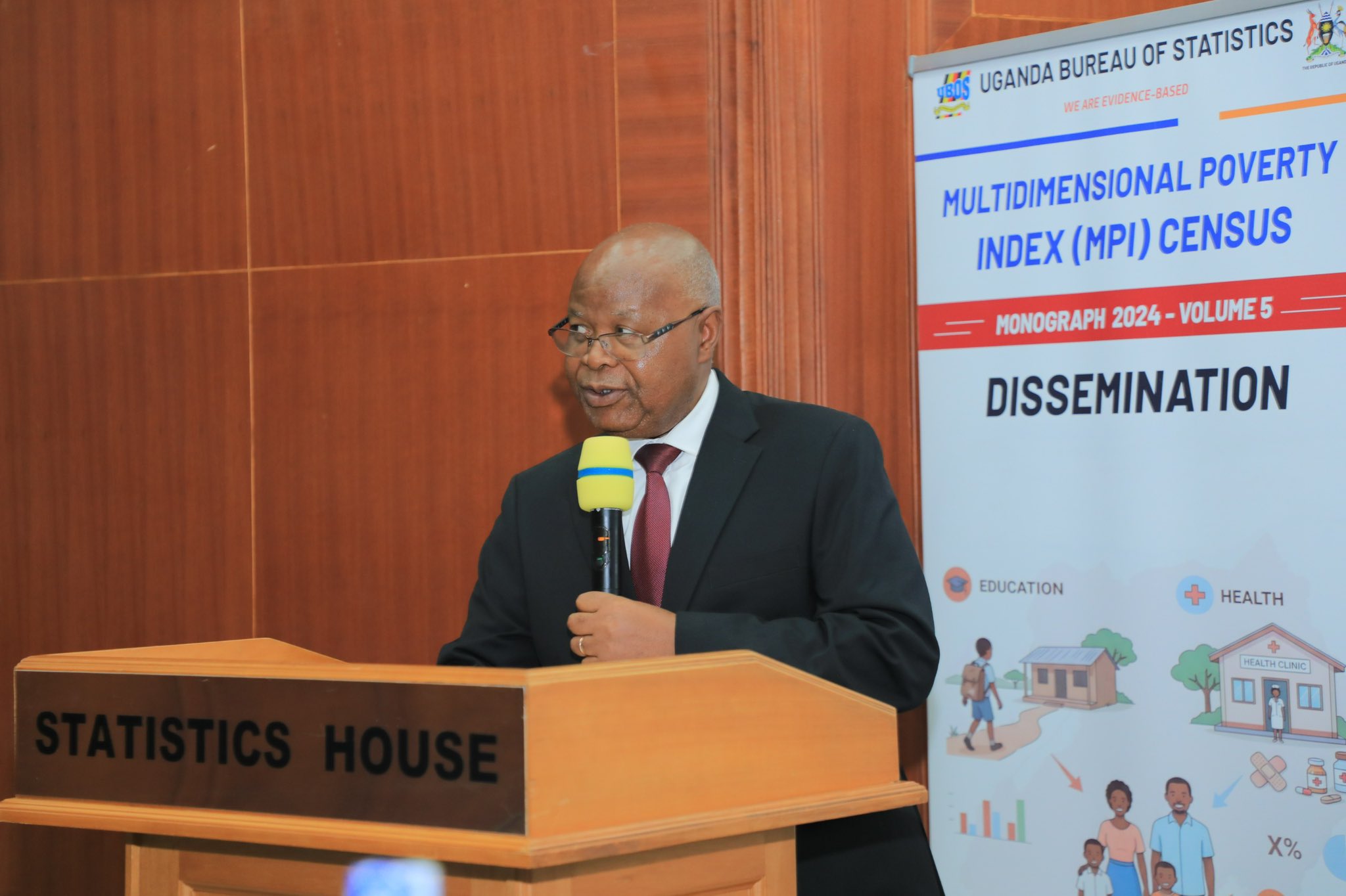
Tororo County North MP, Geoffrey Ekanya, while representing the committee at the launch of Multidimensional Poverty Index (MPI) Census Monograph 2024 on Thursday at Statistics house in Kampala, highlighted that while Uganda has made strides in reducing income poverty, multidimensional poverty remains a persistent challenge, particularly in regions such as Karamoja.
He noted that statistics provided by the Uganda Bureau of Statistics (UBOS) are crucial for designing targeted interventions and urged that all institutions seeking resources from the Consolidated Fund must ensure their budget programs align with UBOS data. Ekanya also underscored that previous budgeting exercises had sometimes neglected the insights provided by UBOS, leading to persistent disparities across regions.
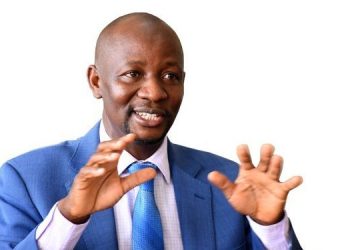
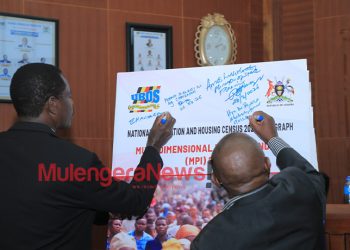
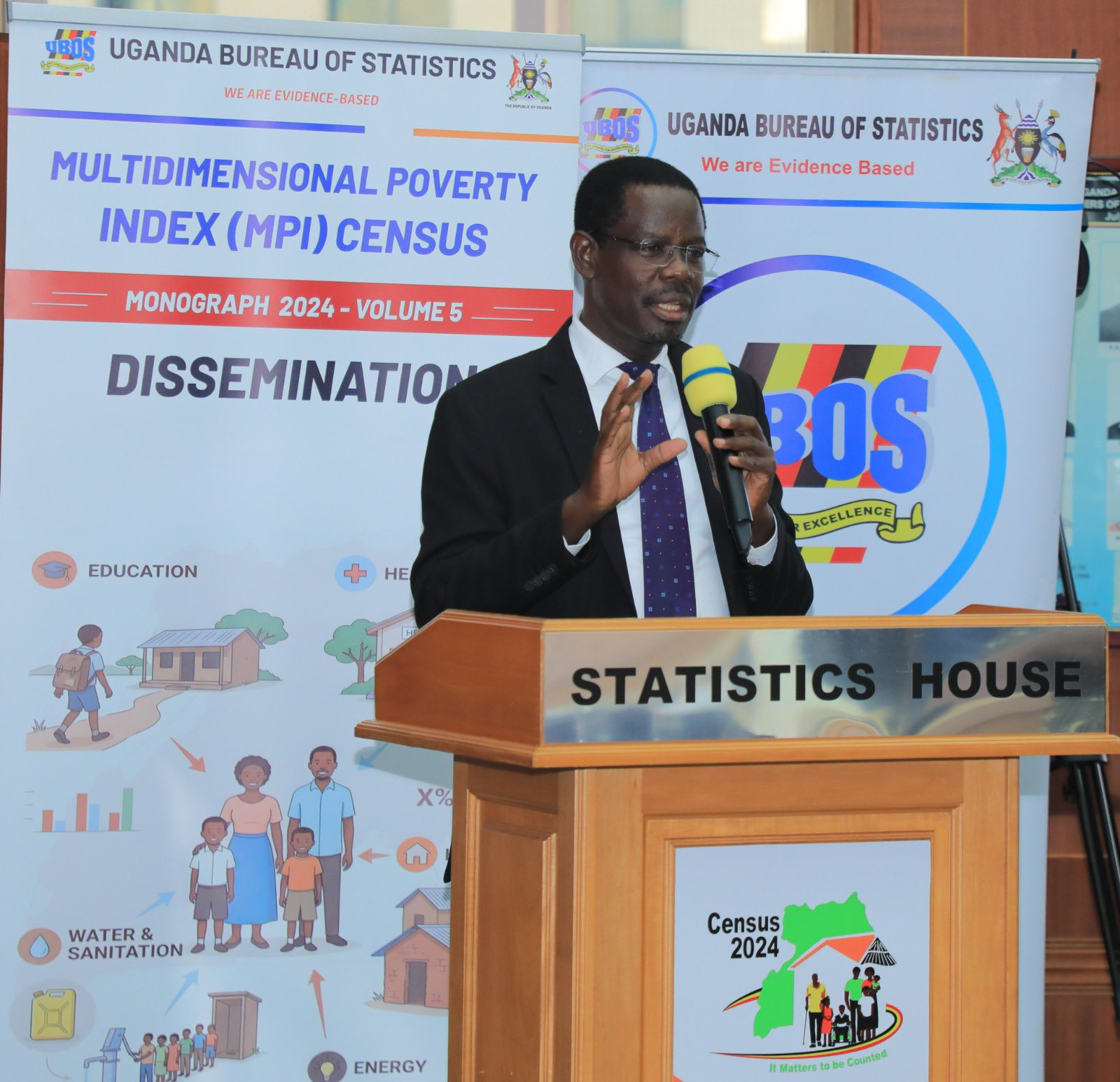
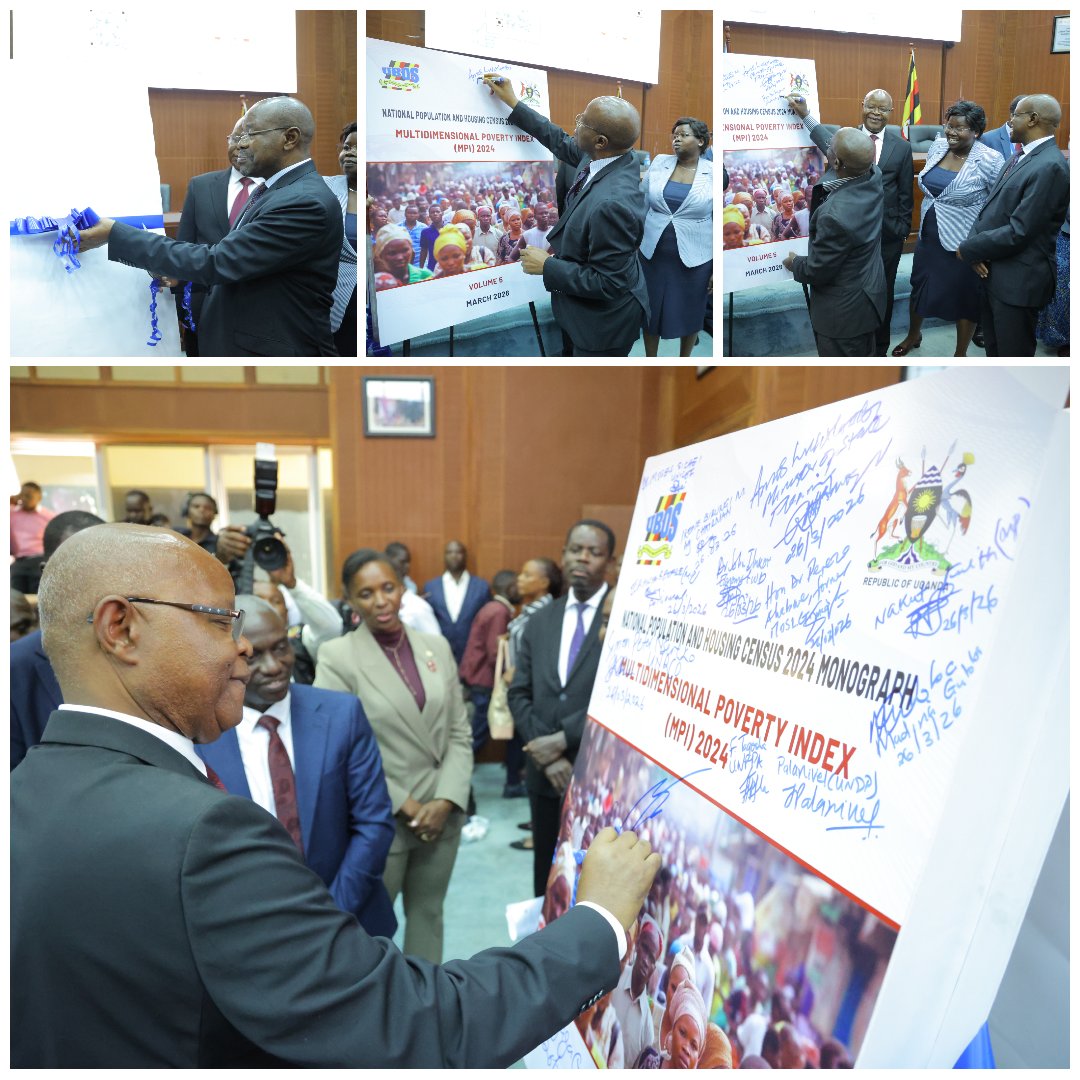
Ekanya’s remarks set the stage for the response by State Minister for Finance and Planning, Amos Lugoloobi. Addressing attendees before the launch of the Multidimensional Poverty Index (MPI) Census Monograph 2024 – Volume 5, Lugoloobi acknowledged the challenge raised by MPs and assured that the Ministry is committed to ensuring evidence-based planning informs budget allocations. He highlighted that Uganda now has comprehensive baseline data, enabling planners to target interventions precisely and monitor progress toward Uganda Vision 2040.

Lugoloobi reflected on his experience during the preparation of the first national development plan, recalling the difficulty of establishing baselines in the absence of reliable statistics. He noted that the current census provides universally established data from the entire population, offering an unprecedented opportunity for policymakers to plan effectively and allocate resources where they are most needed.
The MPI report, which was launched during the event, revealed that the national MPI stands at 27 percent. The Karamoja sub-region continues to have the highest level of multidimensional poverty at 56.9 percent, with Kaabong district recording 63.9 percent. Kampala had the lowest MPI at 8.8 percent. Female-headed households showed higher deprivation (28.9 percent) compared to male-headed households (26.2 percent), while households headed by persons with no formal education experienced the highest MPI at 43.5 percent.
Lugoloobi highlighted that while Uganda has significantly reduced income poverty from 56 percent in 1992-1993 to 16.1 percent in 2023-2024, deprivations persist in areas such as health, sanitation, education, and access to basic services. For example, 45 percent of the population lacks improved toilet facilities, and 54 percent still rely on traditional cooking technologies. He said these indicators provide the Ministry with clear guidance for targeted interventions under the Parish Development Model (PDM), which has already reached 23.5 percent of households in the subsistence economy.
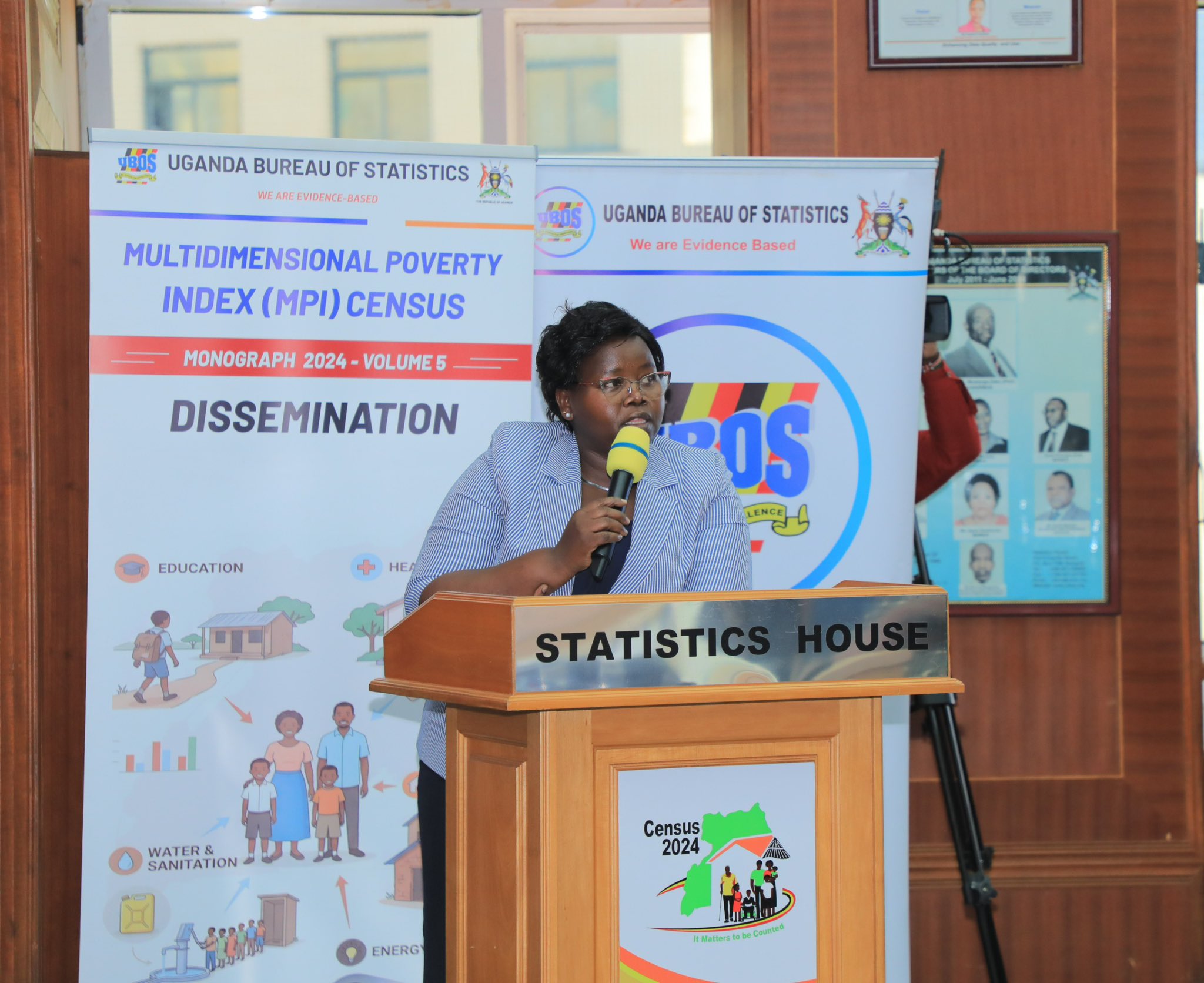
Faith Nakuti, Woman MP for Napak District, welcomed the report, emphasizing that accurate statistics make it easier for government to target interventions effectively. She noted that urbanization appears to correlate with lower poverty rates and suggested that promoting city growth could benefit development outcomes.
Lugoloobi concluded by calling on policymakers, development partners, and all stakeholders to use the MPI findings to guide budget allocations and ensure that interventions are properly resourced. He stressed that this approach will help Uganda close gaps in education, health, housing, and living standards, ultimately allowing citizens to transition from subsistence to a fully monetized economy.
The launch of the MPI 2024 Monograph, following the dissemination of previous reports such as the Orphans and Vulnerable Children (OVC) Census Monograph and the Uganda Malaria Indicator Survey 2024-2025, reinforces Uganda’s commitment to evidence-based planning, enabling the government and Parliament to make informed decisions in the fight against poverty. (For comments on this story, get back to us on 0705579994 [WhatsApp line], 0779411734 & 041 4674611 or email us at mulengeranews@gmail.com).