





By Ben Musanje
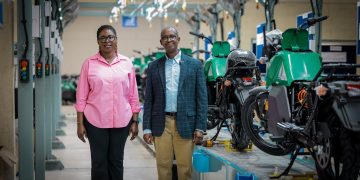
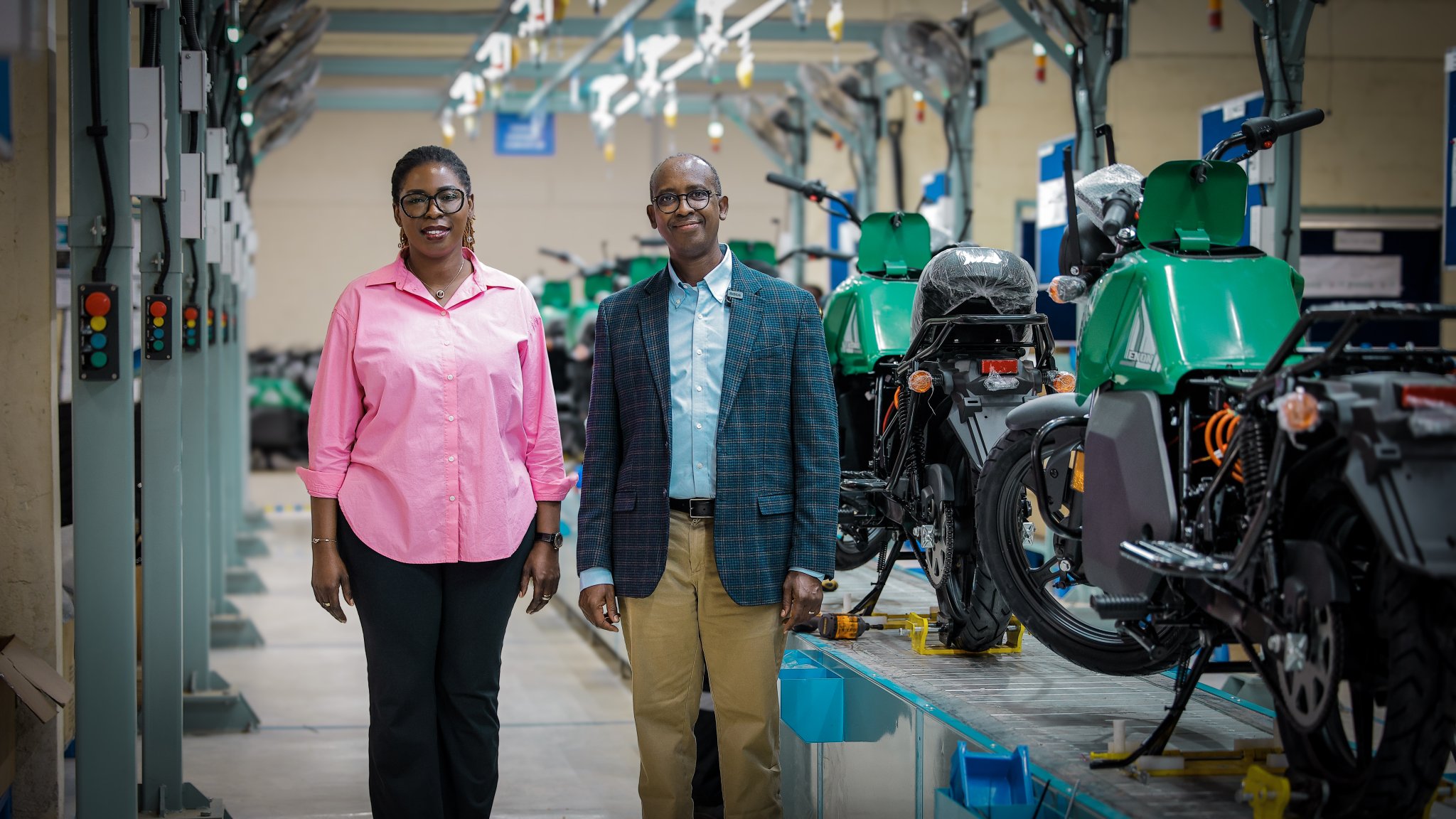
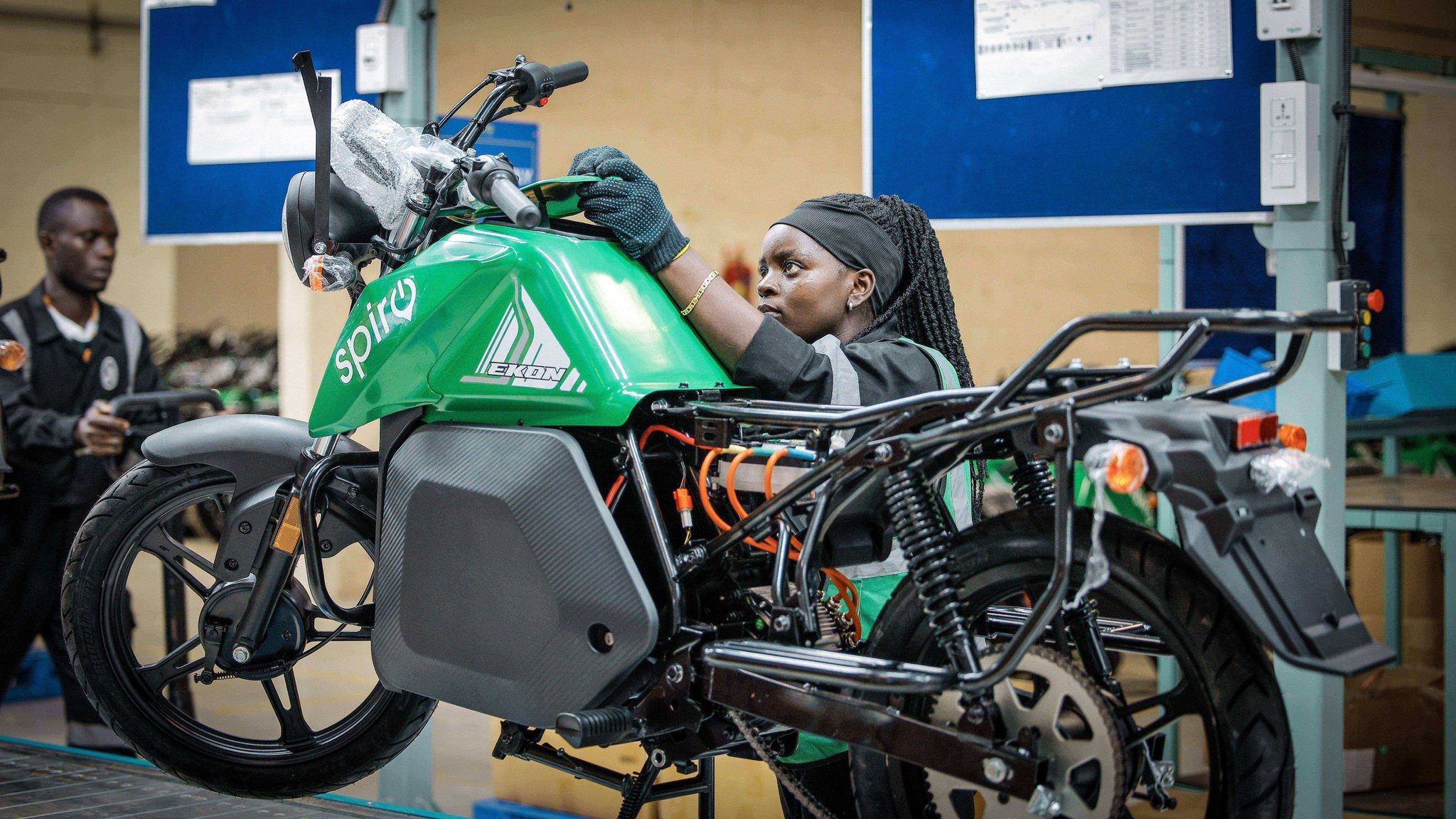
When rows of young Ugandans report for work on the assembly line of electric boda boda motorcycles, Presdeitn Yoweri Museveni’s son-in-law Odrek Rwabwogo says he sees more than machines and tools. He sees a future where Uganda builds more of what it uses.
Odrek Rwabwogo, the husband of Pastor Patience Museveni Rwabwogo who is a daughter to President Museveni, recently stirred conversation online specifically on “X” after highlighting his role in the growing Spiro electric boda boda business. Rwabwogo chairs the Presidential Advisory Committee on Exports and Industrial Development (PACEID), a body pushing Uganda toward manufacturing and export growth.
From early 2023, PACEID began working with Arise and Spiro to support electric motorcycle assembly in Uganda. The project focuses on building local capacity in manufacturing and adding value to agricultural exports under 13 development clusters identified by the committee.
For Rwabwogo, the push toward assembly and manufacturing has not been easy. He admits it often means difficult choices, including cutting some taxes in the short term so the country can attract factories and new industries in the long run.
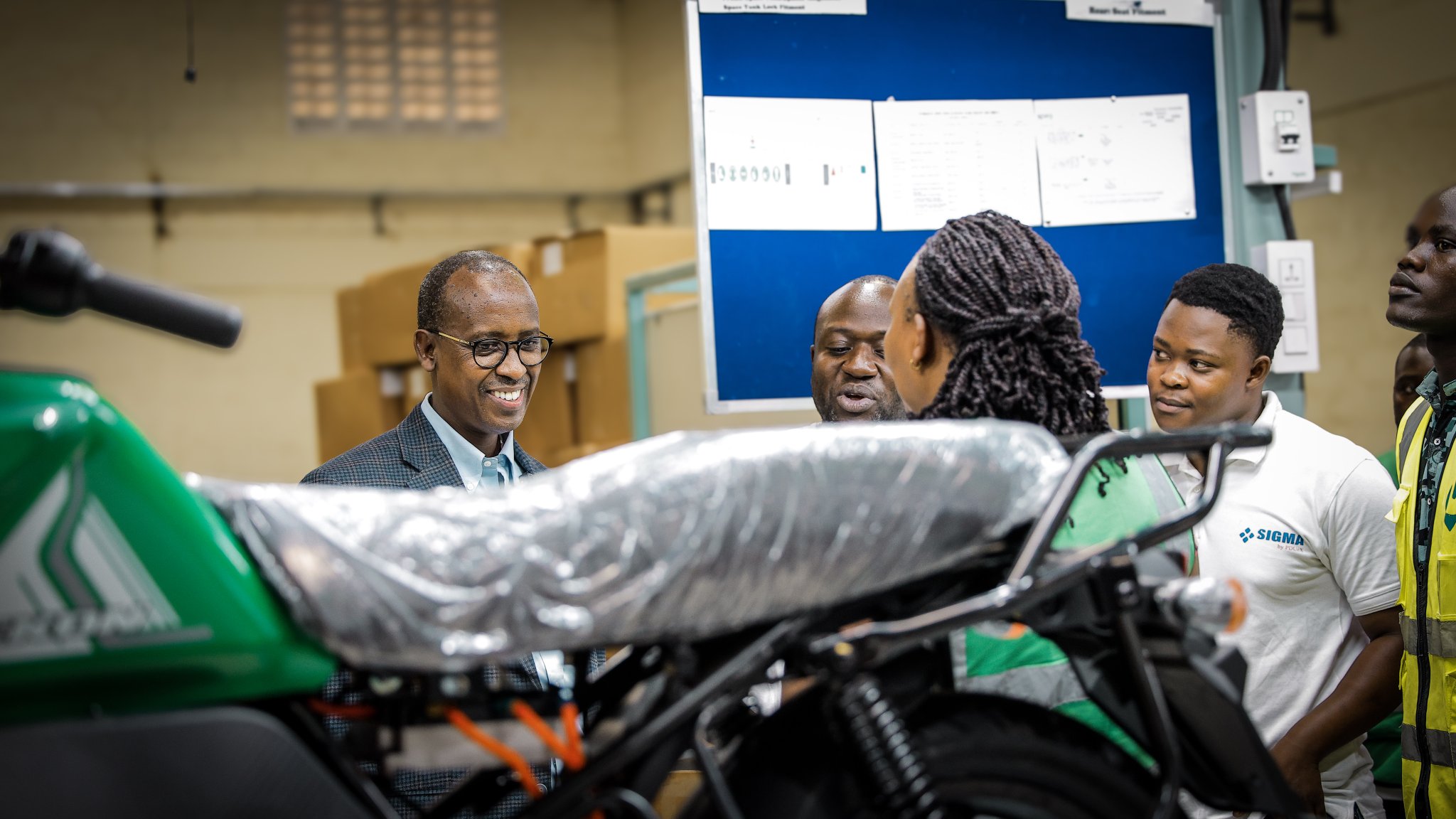
But visiting the assembly lines changed everything for him.
Seeing young Ugandans working with tools and machines to assemble electric motorcycles gave him hope that the country could gradually reduce its dependence on imports. He believes many of the parts used in the bikes — including iron and steel frames, plastic casings, rubber components and electric cables — could eventually be produced locally.
That vision, he says, could strengthen Uganda’s economy while creating jobs for thousands of young people.
Rwabwogo often points to global examples to explain the strategy. He recalls how Apple eventually outsourced massive manufacturing operations to Shenzhen in China after the city slowly built its assembly capabilities beginning in the late 1980s. Over time, Shenzhen evolved into a major manufacturing hub producing electronics, drones, telecom equipment and electric vehicles.
He believes Uganda can follow a similar path if it commits to patient industrial development.
Rwabwogo publicly thanked President Yoweri Museveni for backing the initiative and also praised entrepreneur Gagan and project supporter Rachelle Yayi for pushing the electric mobility project forward in Uganda.
His remarks quickly sparked lively debate online.
Some Ugandans welcomed the development enthusiastically. Sunshine Lucky celebrated the project as a proud moment for the country, praising the president’s vision and calling it proof that Uganda can innovate and compete.
Others offered practical suggestions. Chrispu Nahamya, who described himself as “Concerned Kasambya,” said he already owns a Spiro bike but believes durability must improve. He urged the company to strengthen metal quality and expand battery-swap stations to improve performance in the market.
There were also ideas about expanding the technology beyond transport. T. Kaluma said the assembly work could help Uganda eventually build small machines that mechanize farming. Emmanuel Welishe suggested the next focus should include affordable mechanized farm tools such as tillage equipment, mowers and motorized sprayers to modernize agriculture.
Not everyone was convinced.
Team Federo questioned the use of land that once belonged to the National Housing and Construction Company, arguing that the country still faces a shortage of affordable housing.
Others, like Ninye Mbaho, criticized the quality of the motorcycles, while Asiye Kifani pointed out that Spiro operates in several African countries, questioning what makes the Ugandan project unique.
Despite the mixed reactions, the growing presence of electric boda bodas on Uganda’s roads is becoming harder to ignore.
For many young riders and technicians now earning a living from the emerging electric mobility sector, the debate matters less than the opportunity itself.
And for Odrek Rwabwogo, the sight of Ugandans building motorcycles with their own hands is a powerful sign that the country may be taking its first steps toward a manufacturing future. (For comments on this story, get back to us on 0705579994 [WhatsApp line], 0779411734 & 041 4674611 or email us at mulengeranews@gmail.com).