





 By Aggrey Baba
 In a rare and strategic move, President Yoweri Kaguta Museveni has directed that journalists be brought on board as key allies in protecting the integrity of the Parish Development Model (PDM).
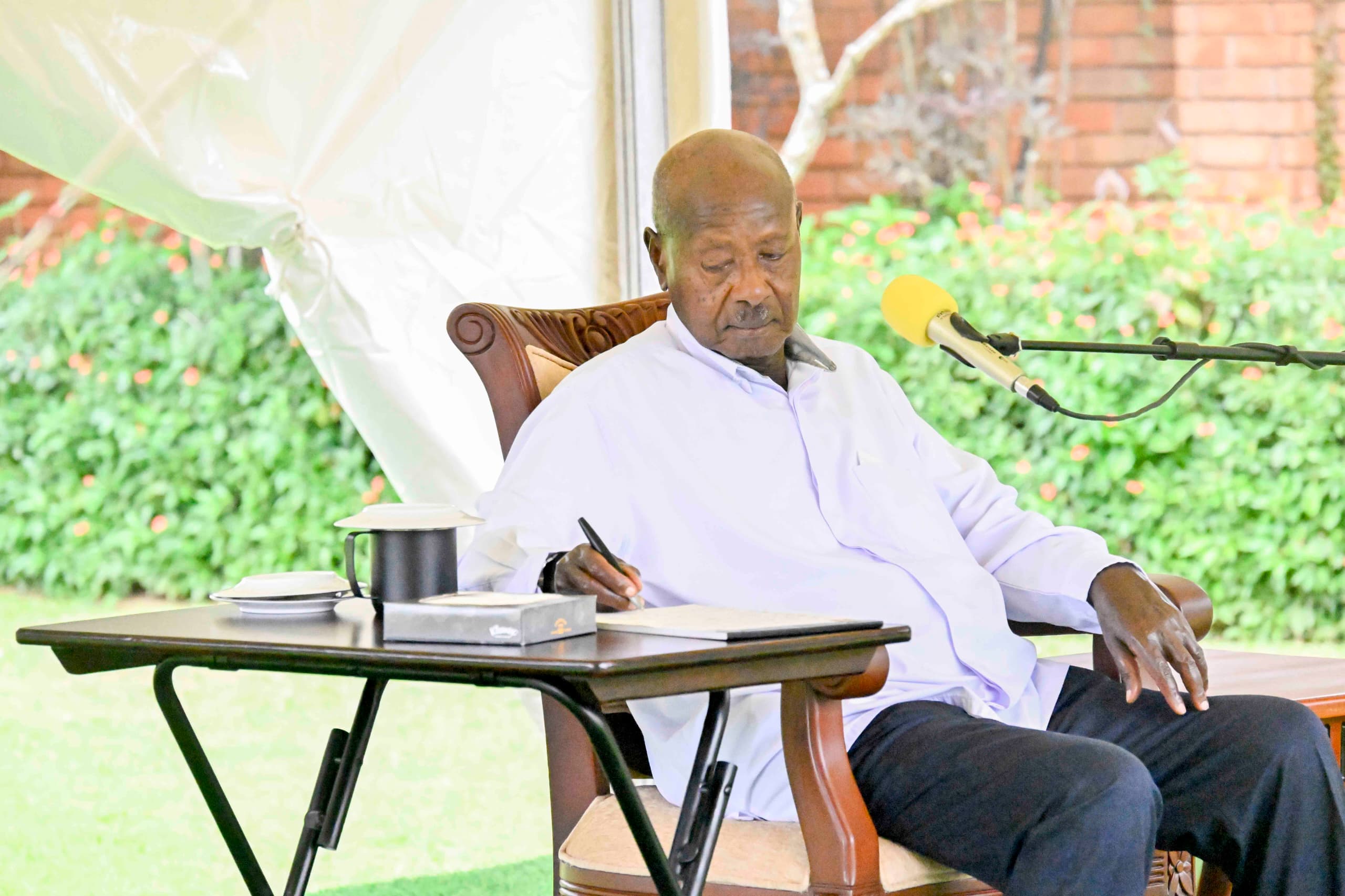
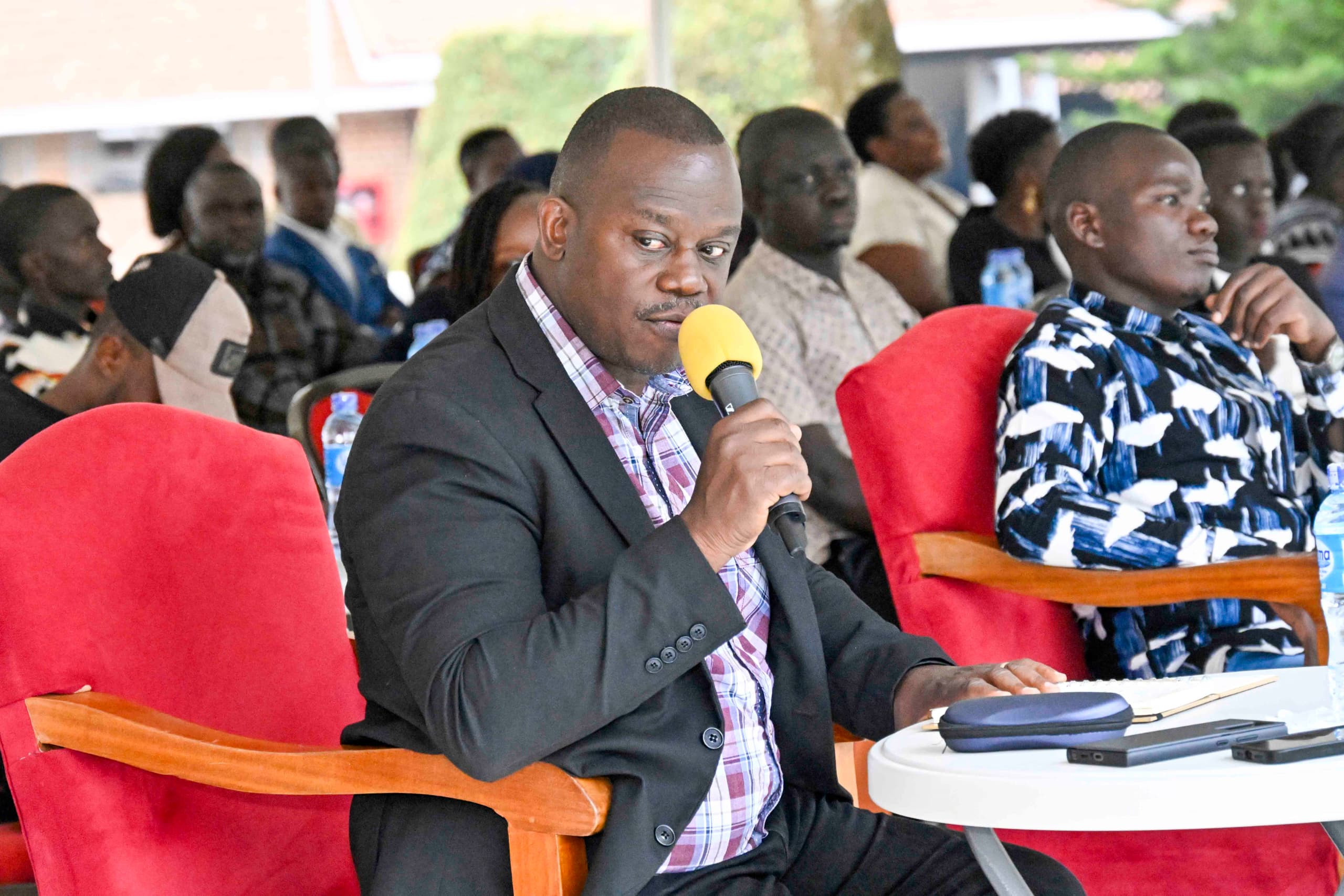
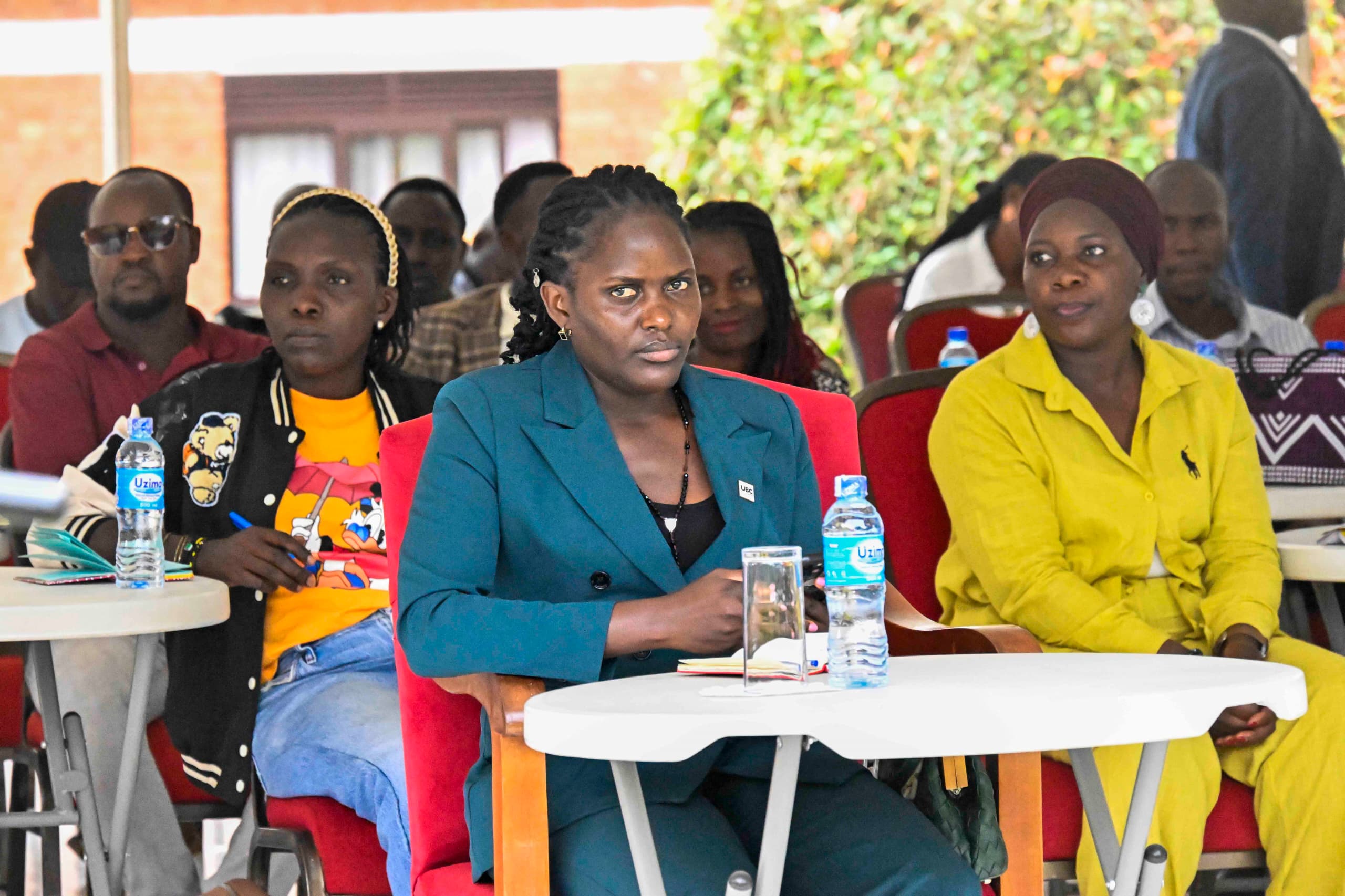
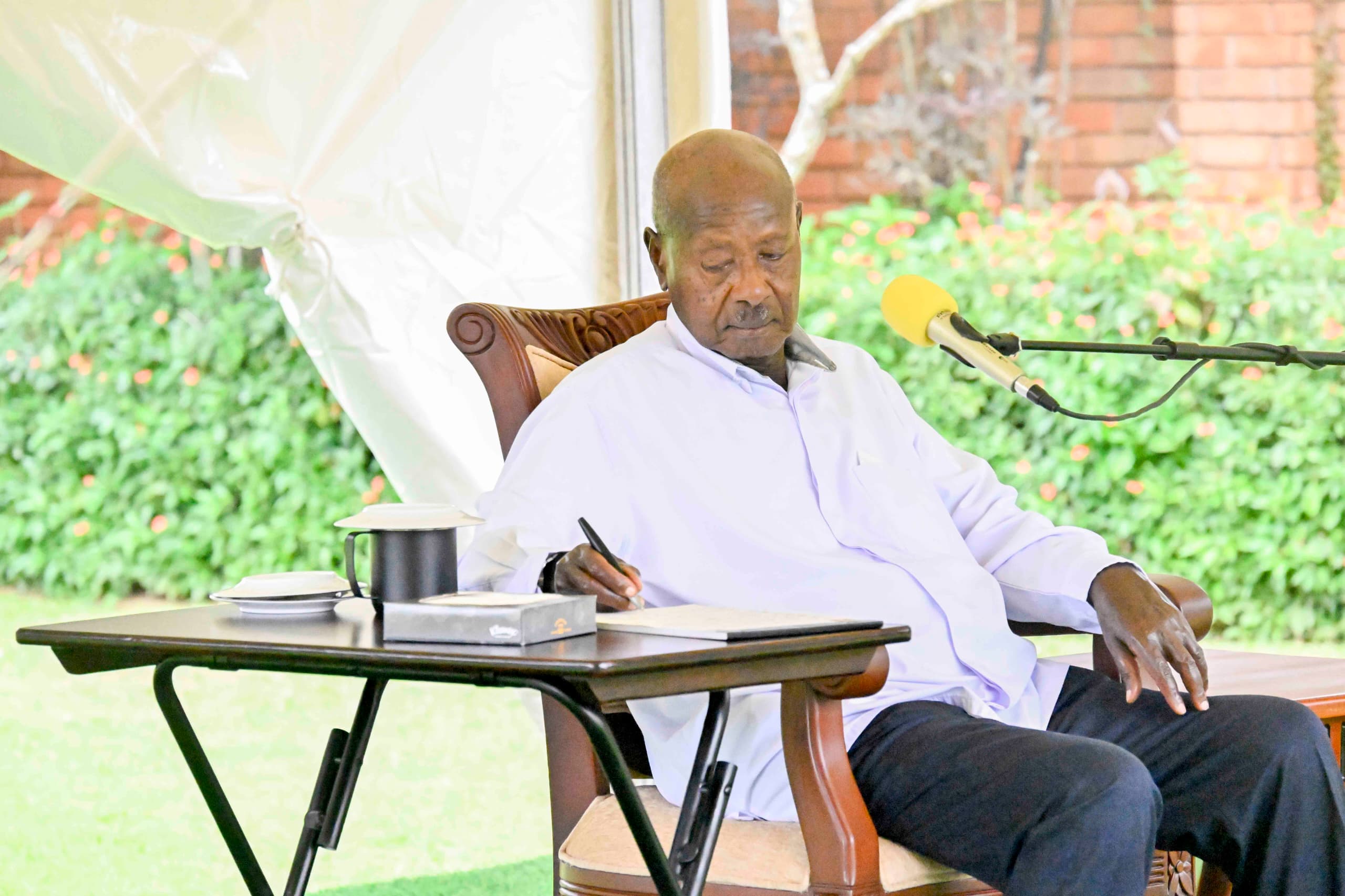
Speaking to a group of journalists from Wakiso District at State Lodge, Nakasero, Museveni said the media will play a crucial role in exposing corruption, investigating theft, and educating the public on the aims of the PDM.
“To have some journalists act as spies for the PDM fund, help us get the news about the PDM. Help us get information and attach journalists per zone like Wakiso. I will make a directive,” Museveni said, adding that he would soon brief the Cabinet to formalize this partnership.
The President described the PDM as a promising program that has already shown signs of lifting rural people out of poverty. Unlike past initiatives such as Entandikwa, NAADS and Operation Wealth Creation (OWC), PDM empowers households directly, although he admitted that previous programs were at times derailed by greed and misconduct.
Museveni cited examples where OWC soldiers served themselves seedlings meant for farmers, pushing him to rethink and roll out the PDM.
The President warned that those who embezzle PDM funds will be hunted down, their property confiscated, and jail time enforced.
“Those that stole PDM funds, we are going to sell their property, they will return our money, and they will be jailed,” he warned.
To complement the PDM effort, the President pledged additional support to communities through boreholes, livestock feeds, and infrastructure, noting that access to water remains a major challenge in rural areas.
“We have noticed that the beneficiaries are lacking water. We will need boreholes in the villages, micro, not communal. So we are going to add in more money and other support,” he said.
Museveni further urged the media to help Ugandans understand the difference between public services and personal wealth, saying “Development is for all of us. Wealth is for an individual. Each home must work for wealth,” he said, invoking the Banyankole cultural practice of okwombeka (the idea of building a meaningful life).
“Okwombeka is not just about building a house. It’s about building a life, creating wealth, marrying, raising children, and then putting up a house.”
The President also raised concerns over land fragmentation and the public’s tendency to prioritize everything at once instead of focusing on foundational development.
“Civilians like working on everything at once, which is not possible. We the fighters, we prioritize,” he said, in response to calls for Wakiso to be granted city status.
On security, Museveni lamented the lack of coordination between citizens and police, especially in emergencies like cattle theft and domestic attacks, citing the recent tragic murder of David and Deborah Florence Mutaaga in Entebbe as an example of delayed reporting. He urged citizens to contact police immediately instead of relatives.
To support the journalists’ efforts, the President pledged UGX 100 million to the Wakiso Journalists SACCO and a minibus to ease their transportation challenges.
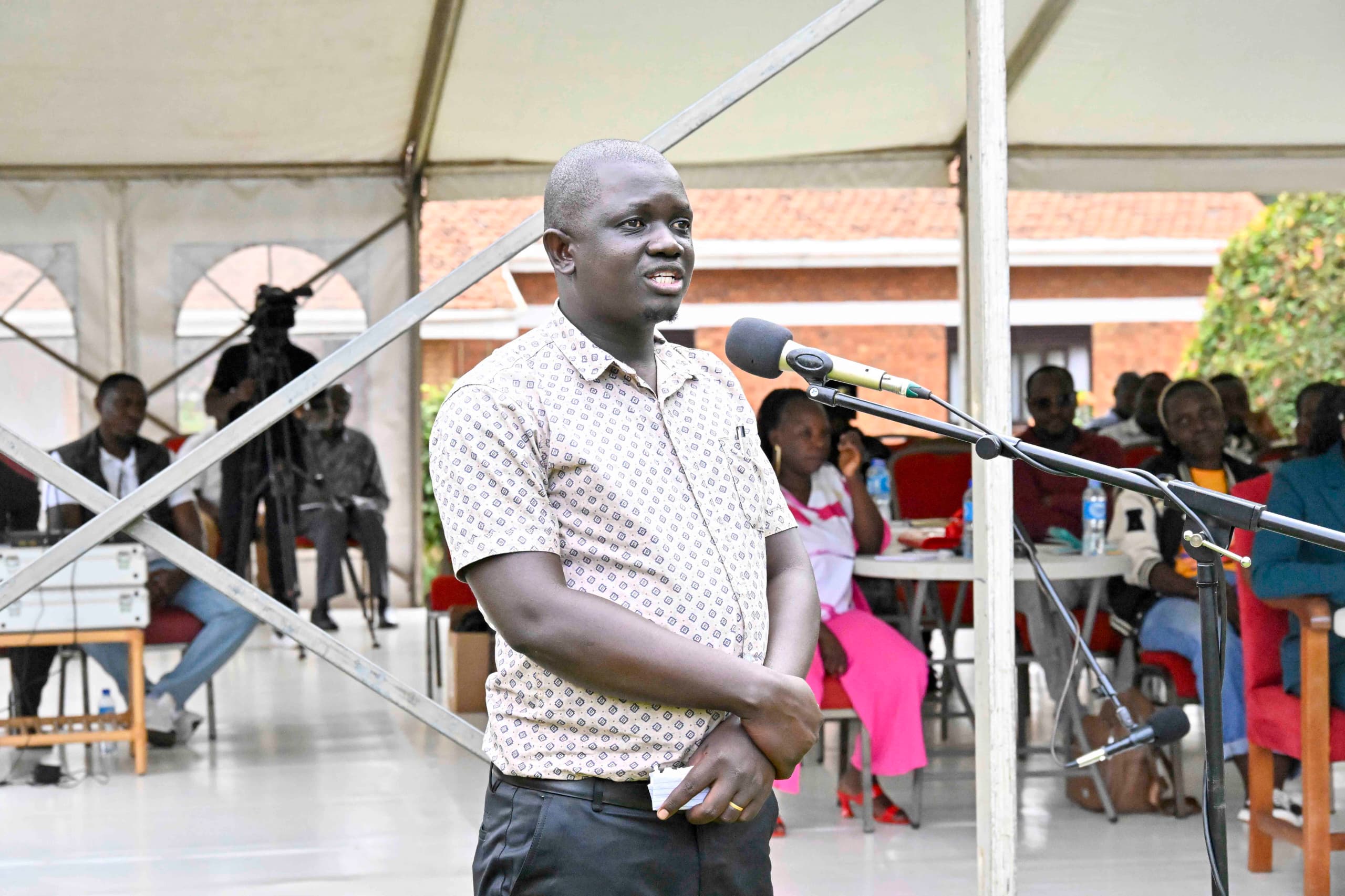
The Chairperson of Wakiso Journalists SACCO, Mr. Tony Ngabo, hailed the President’s gesture and said journalists were no longer just observers but active participants in Uganda’s development agenda.
“For a long time, journalists had been like signposts, only pointing people to stories and developments. But today, because of your poverty alleviation programs, we are now part of the money economy,” Ngabo said.
He cited successful initiatives by journalist groups including a retail shop run by Peter Kiiza and his wife, a UGX 500,000 a month tent and chairs business in Nansana, and livestock projects in Bweyogerere.
Ngabo, however, appealed to government to support journalist SACCOs that haven’t yet received funding and also asked for transport support, saying most of their income goes into movement.
As Uganda fights to safeguard public funds and drive economic transformation from the grassroots, Museveni seems to have placed a new kind of army on the frontline, armed not with guns, but with pens, cameras, recorders, and courage.