




By Aggrey Baba
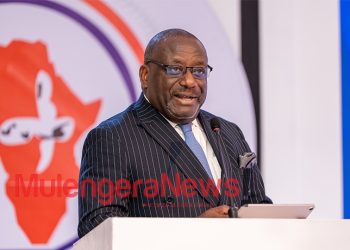
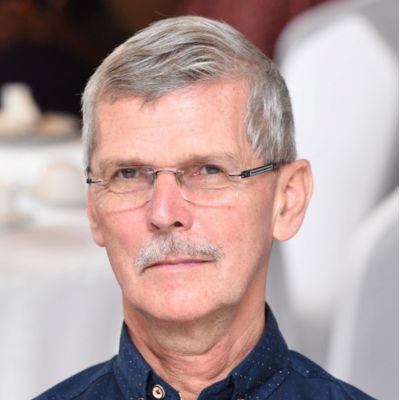
Dr. Ian Clarke, a British doctor, entrepreneur, and a Ugandan resident for over 35 years, has challenged Ugandans to take greater pride in their country, culture, and products (just as the Irish do).
Clarke’s unique perspective comes from a longtime of living and working in Uganda, where he has made significant contributions to healthcare, education, agriculture, and even local politics.
Clarke first came to Uganda in 1987 after reading about the AIDS epidemic ravaging the country, arrived in Kiwoko Village, (now Nakaseke District), to serve as a missionary doctor.
Starting under a tree and treating patients with minimal resources, Clarke went on to establish Kiwoko Hospital, a facility that today includes a nursing school, a laboratory technician training school, a community health program, and a neonatal ICU.
Later, Clarke moved to Kampala and founded the International Medical Centre within the Kampala Pentecostal Church. His crowning achievement in healthcare was establishing International Hospital Kampala (IHK), the first hospital in Uganda to perform open-heart surgery.

IHK is now a 110-bed, ISO-certified hospital offering specialized care in obstetrics, pediatrics, plastic surgery, and more, setting new standards for private healthcare in the country.
Clarke also ventured into politics in 2011, winning the Makindye Division mayoral office with a platform focused on improving roads, healthcare, and economic growth. As chairman and mayor, he worked to uplift his community’s living standards.
He is also Chairman of Clarke Group Companies, a family business empire that includes Clarke International University, Clarke Junior School, Clarke Farm and Coffee Estate, and other ventures across Uganda and East Africa, valued at around $15 million.
Against this rich background, Clarke’s recent reflections on Uganda’s identity and pride carry considerable weight. After visiting his in Kilkenny County, Ireland, he was struck by the strength of Irish national pride, rooted in their traditional sport of hurling and their belief in local products.
“I saw how 55,000 fans packed a hurling stadium, cheering passionately for their local teams,” Clarke said, adding that even children and parents on the sidelines were fully involved. “This isn’t just sport, but a symbol of community and identity.”
He also observed the pride Irish people take in their homegrown goods, from roadside stalls selling fresh fruit to homemade baked products all proudly labelled “Irish-made.”
“In Uganda, we have great products like coffee, but many people don’t trust local goods because of inconsistent quality. I face that challenge myself running Clarke Farm coffee,” he noted.
The entrepreneur added that while Ugandans love soccer, their loyalty mostly lies with foreign teams like those in Arsenal or Manchester United, rather than their own national or local clubs, arguing that this weakens national pride.
“Ugandans have a strong identity, but it’s often more visible when they’re abroad,” he said, adding that here at home, tribal politics and divisions get in the way.”